A Better Pesto Plan for the Basil You Cannot Use Fast Enough
Basil has a way of showing up all at once. One grocery bunch turns into three half-used bundles in the fridge, and one healthy pot can go from pleasantly useful to mildly threatening in about four warm days. Then the leaves start to soften, blacken, or lose that clean sharp smell that made you want basil in the first place.
The easiest way to stop wasting it is to turn the overflow into pesto before the leaves slide into the sad stage. Not a precious restaurant version that demands perfect ratios and one exact nut, but a flexible, bright, freezer-friendly batch you will actually use on pasta, eggs, sandwiches, beans, roasted vegetables, and toast.
The short answer
- Use basil while it is still fragrant and mostly unbruised.
- Blend it with olive oil, cheese, nuts or seeds, garlic, and salt.
- Add lemon only if you want a brighter, looser pesto.
- Freeze extra pesto early instead of refrigerating it until it dulls.
- Think of pesto as a kitchen base, not just a pasta sauce.
If your basil haul is getting ahead of you, pesto is the fastest way to keep the flavor instead of watching the bunch collapse in the crisper.
Why basil goes from great to useless so quickly
Basil bruises easily, dislikes cold, and loses its appeal fast once the leaves darken or get wet in the wrong way. If the bunch is already headed downhill, start by pulling off any black, slimy, or badly damaged leaves. You want the batch to taste fresh and green, not tired.
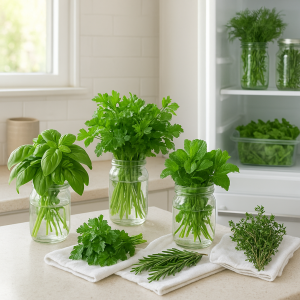
If you are trying to buy yourself a little more time before blending, see how to keep fresh herbs alive long enough to actually use them. But once basil starts piling up, a use-now plan usually works better than a storage-only plan.
What you need for a flexible basil pesto
- 2 packed cups basil leaves
- 1 small garlic clove, or more if you want a sharper edge
- 1/4 to 1/3 cup olive oil
- 1/4 cup grated Parmesan or Pecorino
- 2 to 4 tablespoons nuts or seeds
- salt
- optional lemon juice
Pine nuts are classic, but walnuts, almonds, pistachios, cashews, sunflower seeds, or pumpkin seeds all work. The point is not to stall out because you do not have the most traditional version of every ingredient.
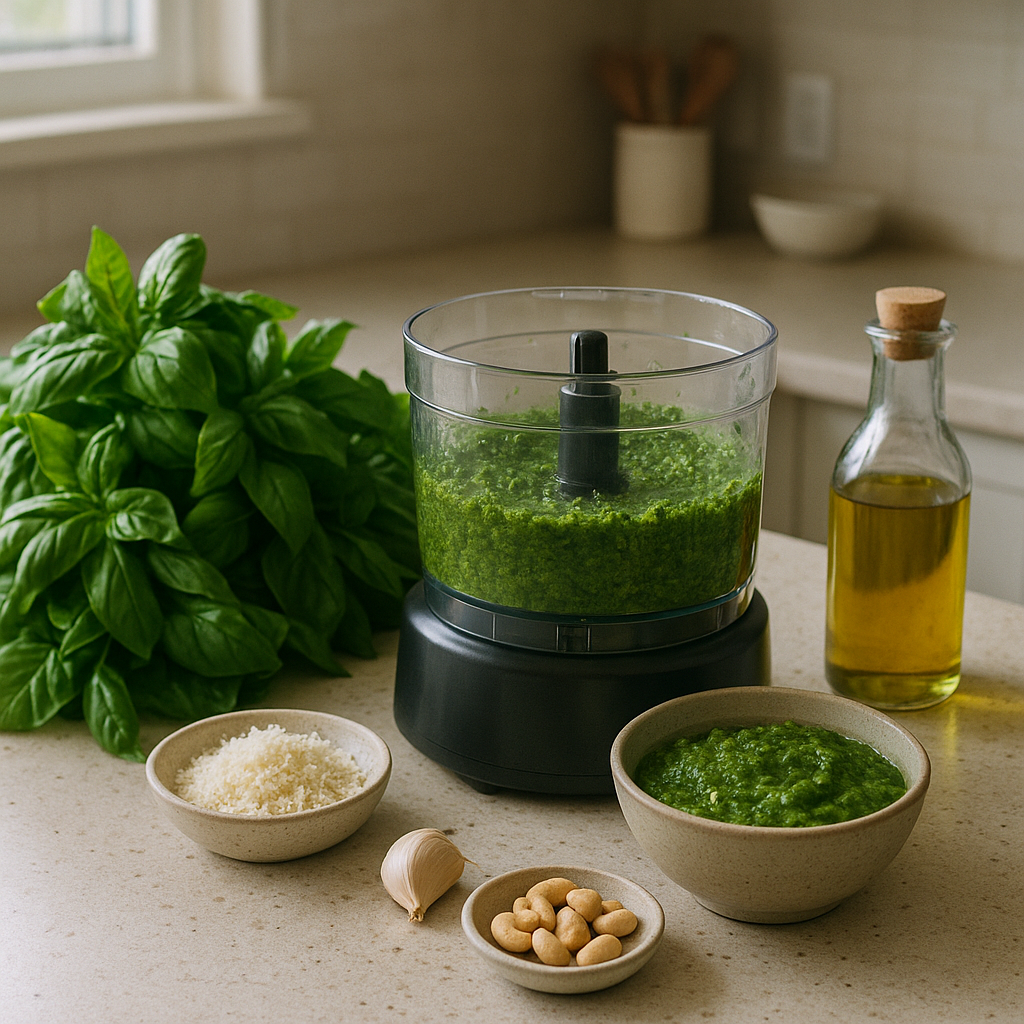
How to make it without overthinking it
- Start with dry leaves. If the basil is wet, pat it dry well so the pesto stays brighter and keeps better.
- Add the basil, garlic, nuts or seeds, and cheese. Pulse first instead of pouring in all the oil immediately.
- Add olive oil gradually. Stop when the texture looks spreadable and spoonable, not soupy.
- Taste before adding lemon. Some batches need brightness. Some already taste balanced.
- Salt at the end. Cheese adds saltiness, so do not guess too early.
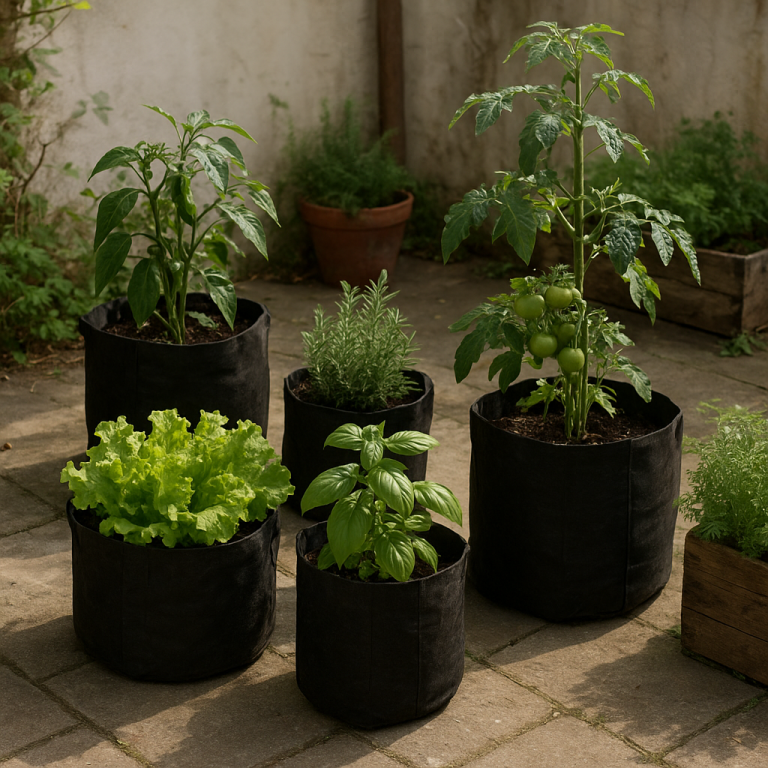
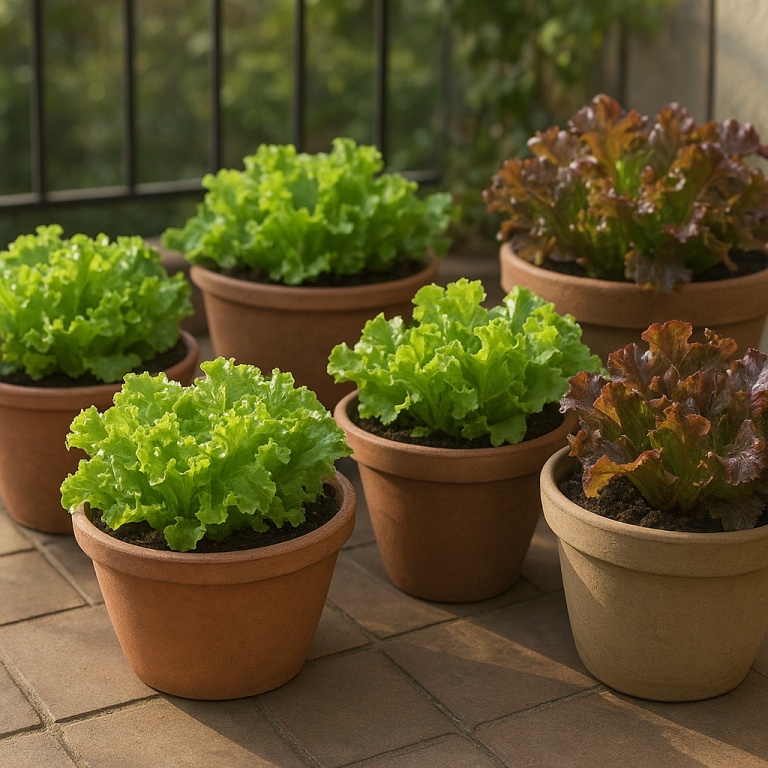
If your basil crop is coming from your own containers, this is one of the easiest high-reward ways to use a big harvest from a productive basil pot before the leaves age out.
How thick should pesto be?
Thicker than salad dressing, looser than a paste. If it is too stiff, add a little more oil. If it is too loose, add more basil, cheese, or nuts. The right texture depends on how you plan to use it.
- For pasta: a looser sauce is easier to coat with a splash of cooking water.
- For sandwiches and toast: slightly thicker is better.
- For freezing: either works, but avoid making it watery.
The best ways to freeze extra pesto
The freezer is where extra basil pesto earns its keep. Refrigerated pesto fades fast. Frozen pesto stays useful much longer, especially if you portion it in a way that matches how you cook.
- Ice cube tray: useful for small amounts you want to drop into eggs, soups, beans, or roasted vegetables.
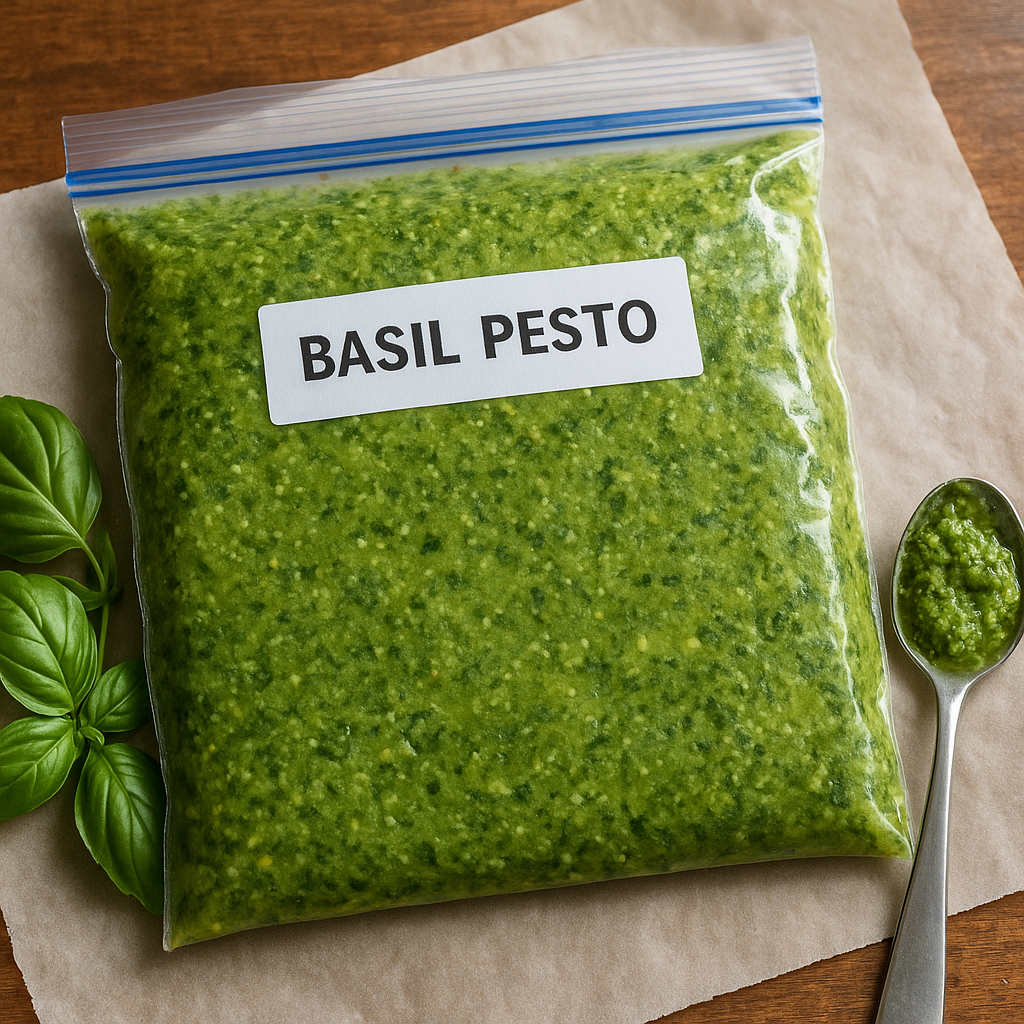
- Flat freezer bag: good for larger portions you can break off as needed.
- Small jars or containers: workable if you leave headroom and use them quickly once thawed.
A thin layer of olive oil on top can help protect the color before freezing. If you know the batch is headed for pasta later, freezing it flat in a labeled bag is usually the least annoying option.
What to use basil pesto on besides pasta
- scrambled eggs or omelets
- white beans or chickpeas
- grilled cheese or turkey sandwiches
- roasted vegetables
- potatoes
- grain bowls
- pizza
- toast with tomatoes or eggs
- salmon as a fast flavor layer after cooking
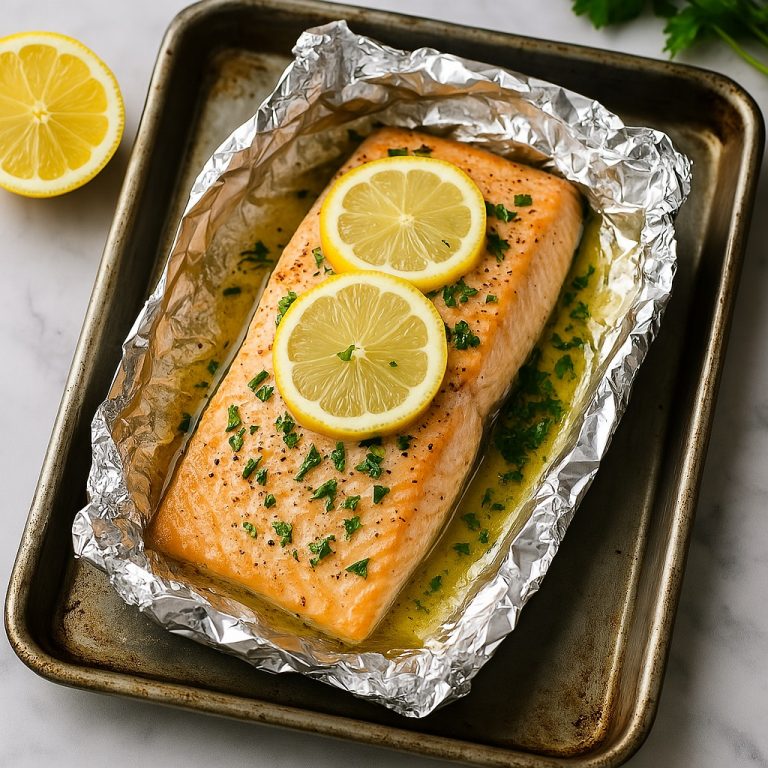
If dinner already includes fish, it pairs especially well with something like oven-cooked salmon, where a spoonful of pesto can do most of the finishing work.
Easy variations when basil is not the only thing overflowing
- Basil and parsley: softer and a little less sweet than pure basil.
- Basil and arugula: pepperier and sharper.
- Basil and mint: fresher and brighter in small amounts, especially for grain bowls or lamb.
- Basil with sunflower seeds: a practical pantry version when pine nuts are not happening.
Keep basil as the lead flavor. Once the supporting herbs take over, it becomes a different green sauce, which can still be good, just not the same thing.
Common mistakes
Using tired wet basil
If the leaves are soaked, blackened, or already collapsing, the flavor drops fast and the color goes muddy.
Adding too much garlic too early
Raw garlic gets more aggressive as the pesto sits. Start smaller than you think.
Blending it into green soup
Too much oil too fast makes the texture limp and less versatile.
Refrigerating the whole batch and hoping for the best
If you know you will not finish it in a few days, freeze part of it immediately.
Troubleshooting
My pesto turned dark
That usually means the basil was bruised, too wet, or exposed to air too long. It can still taste good, but the brightest batches start with dry leaves and get packed away quickly.
It tastes flat
Try a little more salt, more cheese, or a small hit of lemon depending on what feels missing.
It tastes bitter
Too much garlic, old nuts, overheated basil, or overworked leaves can all push it that way. Balance with more basil, cheese, or a softer nut next time.
I do not have enough basil for a full batch
Stretch it with parsley or a small amount of arugula and call it a flexible green sauce instead of forcing a purist version.
FAQ
Can you freeze homemade basil pesto?
Yes. It is one of the best reasons to make it when you have too much basil.
Do you need pine nuts for pesto?
No. They are classic, but walnuts, almonds, pistachios, and seeds can all work well.
Can you make pesto without cheese?
Yes. It will taste different, but it can still be good. You may need a little more salt or nuts for balance.
How long does pesto last in the fridge?
Usually only a few good days before the color and flavor start slipping. Freeze the extra early if you made more than you can use right away.
The useful version
When basil starts taking over, the smartest move is not another garnish or one more caprese plate. It is a flexible pesto you can freeze, pull back out in portions, and actually use on real weeknight food before the best flavor disappears.