A Low-Effort Herb Butter That Saves the Good Stuff Before It Wilts
There is a moment when a bunch of herbs stops feeling useful and starts feeling like a deadline. A little parsley, half a handful of chives, a few stems of dill, some thyme from the pot outside, and basil that looked great two days ago all start crowding the fridge at once. You could promise yourself a complicated meal plan, or you could turn the extras into herb butter and make future dinner easier.
Herb butter works because it asks almost nothing from you. Chop the herbs, mash them into softened butter, season it well, and keep it in the fridge or freezer. Then use it on vegetables, eggs, rice, fish, bread, potatoes, or anything else that needs a fast upgrade.
The short answer
- Start with softened butter, not melted butter.
- Use tender herbs generously and woody herbs a little more carefully.
- Add salt, and garlic only if you actually want garlic in everything the butter touches.
- Shape, chill, and freeze extra portions early.
- Think beyond steak. Herb butter is just as useful on eggs, rice, vegetables, and bread.
If you have extra herbs and no clear plan, herb butter is one of the easiest ways to keep them useful.
Why herb butter is better than letting herbs linger in the fridge
Fresh herbs lose momentum fast. Even when you store them well, there is a point where the bunch still looks technically fine but no longer looks exciting enough to pull into dinner. Herb butter catches them before that slide turns into waste.
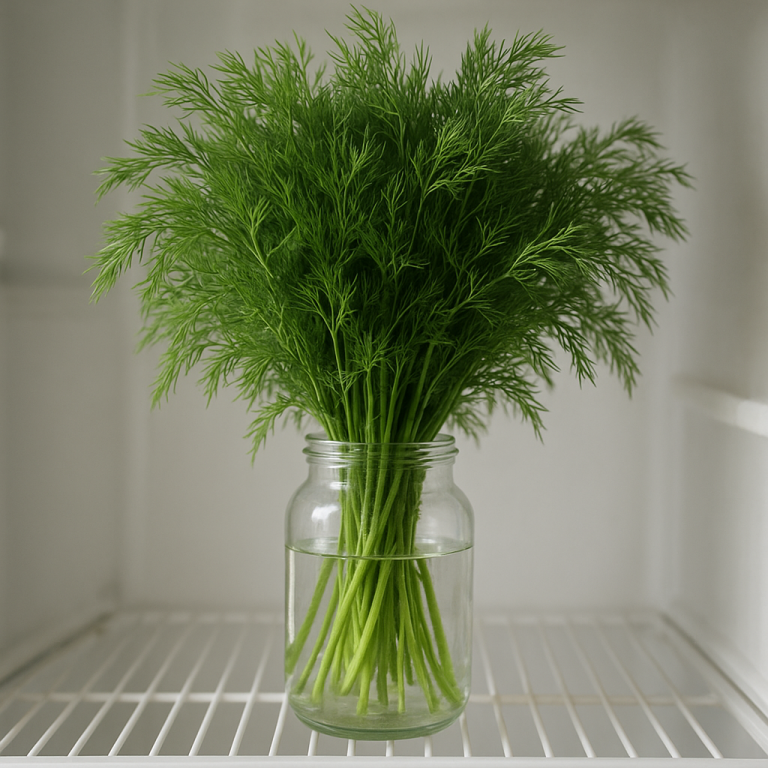
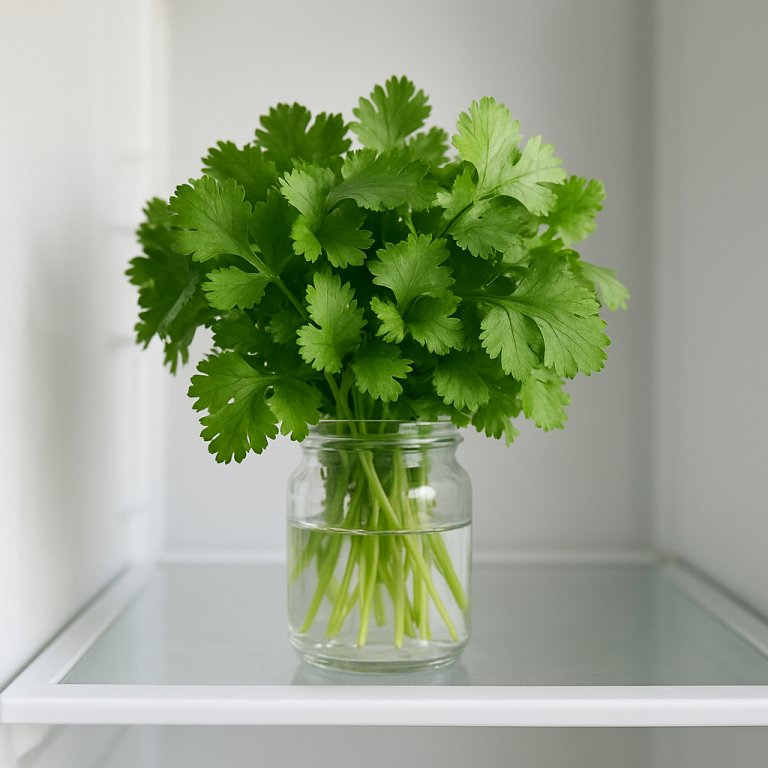
If the herbs are still in good shape and you need a little more time, start with a better herb storage setup. If the issue is not storage but sheer volume, herb butter is a much better answer than pretending you are about to make six separate herb-heavy meals this week.
The best herbs for herb butter
- Excellent: parsley, chives, dill, thyme, oregano, sage, rosemary
- Good in smaller amounts: basil, mint, tarragon
- Best mixed with others: stronger woody herbs like rosemary and sage, so they do not dominate
This is also one of the nicest kitchen uses for herbs you are already growing, especially chives, dill, thyme, parsley, and rosemary.
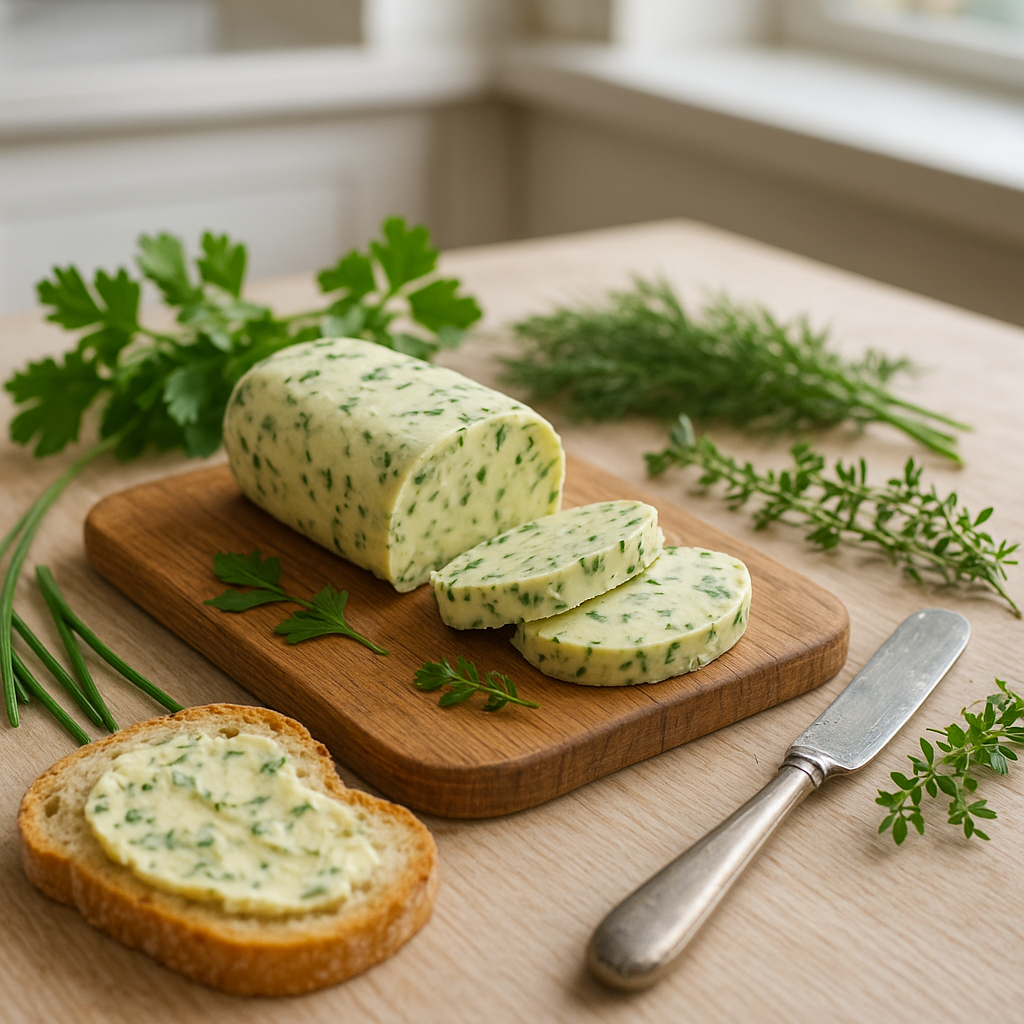
What you need
- 1 stick unsalted butter, softened
- 2 to 4 tablespoons finely chopped herbs
- salt
- optional black pepper
- optional garlic, lemon zest, or a small squeeze of lemon
Use enough herbs that the butter actually tastes green and alive. Weak herb butter is usually just under-seasoned butter with identity issues.
How to make herb butter without making it fussy
- Soften the butter first. It should press easily with a spoon, but not look oily.
- Chop the herbs finely. Big wet leaves or long rosemary needles make the texture clumsy.
- Mix the herbs into the butter. Add salt and anything else you want, then mash until evenly combined.
- Taste it. A tiny piece on bread tells you more than guessing from the bowl.
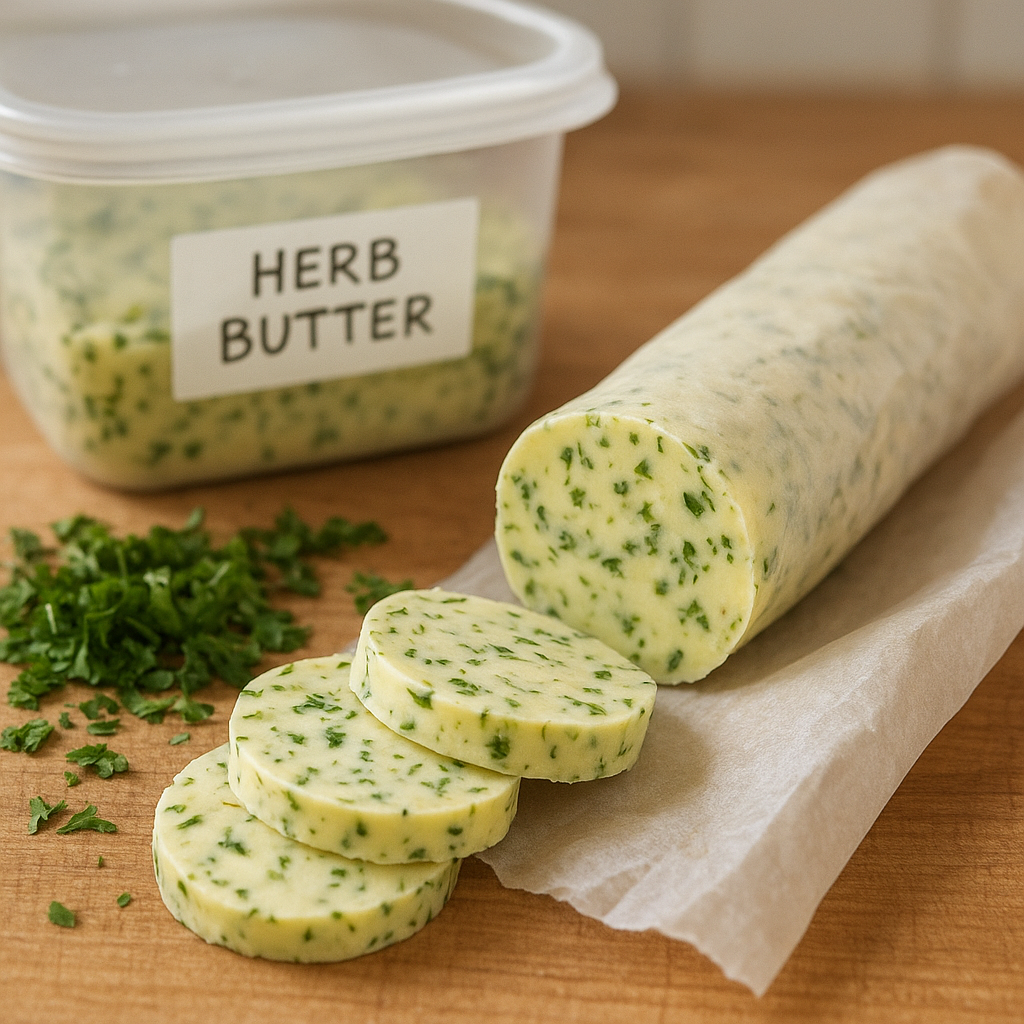
- Shape and chill. Roll it in parchment, pack it into a small container, or portion it immediately for freezing.
The easiest flavor combinations that actually work
- Parsley and chive: clean, flexible, and good on almost everything.
- Dill and chive: excellent with eggs, potatoes, and fish.
- Thyme and parsley: more savory, good with roasted vegetables and chicken.
- Rosemary and garlic: use lightly, because rosemary gets loud fast.
- Basil and parsley: softer and fresher than basil alone, especially if your basil supply is modest.
If basil is the herb taking over your life right now, pesto is still the better move for a large basil-only overflow. See what to do with too much basil before it goes black if the pile is bigger than a butter batch can reasonably handle.
How to freeze it so it stays useful
The freezer is what makes herb butter a habit instead of a one-off project. A full log is fine, but smaller portions are easier to use on regular dinners.
- Parchment log: slice off rounds as needed.
- Small container: good if you are using it quickly.
- Mini portions: useful for rice, vegetables, or one-pan meals.
If you want the least annoying option, roll the butter into a log, chill it until firm, then freeze it. That gives you slices instead of one cold block you have to attack with a knife.
What to use herb butter on besides toast
- rice or other grains
- scrambled eggs
- roasted carrots, potatoes, or green beans
- pan-finished mushrooms
- simple pasta
- salmon or other fish
- warm beans
- baked or grilled chicken
- corn
A spoonful on hot rice is especially useful if dinner started with a pot of properly cooked rice and needs a fast finish. It also works well with oven salmon when you want an easy last-minute upgrade.
Common mistakes
Using melted butter
Melted butter does not hold the herbs the same way. You want soft, not liquid.
Going too hard on woody herbs
Rosemary and sage can take over quickly. Start lighter than you think.
Leaving the herbs too wet
Water dulls the flavor and shortens the life of the butter. Dry the herbs before chopping.
Making one giant batch with no plan
If you know you will not use it quickly, portion it before freezing instead of dealing with a huge frozen lump later.
Troubleshooting
My herb butter tastes flat
It probably needs more salt, more herbs, or both.
The rosemary is too strong
Mix in more plain butter or add softer herbs like parsley to rebalance it.
The texture feels watery
The herbs were probably still wet or the butter got too warm. Chill it, then see if the texture firms up enough to use.
I do not have enough of one herb for a full batch
That is exactly why herb butter is useful. Mixed small amounts often work better here than they would in a more rigid recipe.
FAQ
Can you freeze herb butter?
Yes. It freezes very well, especially in a log or smaller portions.
What herbs are best in herb butter?
Parsley, chives, dill, thyme, and smaller amounts of rosemary or sage are all strong options.
Can you make herb butter with basil?
Yes, especially mixed with parsley or chives. For a huge basil surplus, pesto is usually the more efficient move.
How long does herb butter last?
It is best used fairly quickly from the fridge, but the freezer makes it much more forgiving.
The useful version
When your herb drawer turns into a pile of almost-plans, herb butter is one of the easiest exits. It is fast, flexible, freezer-friendly, and much more useful on a weeknight than another bunch of herbs you meant to get around to.