A Fast Green Sauce That Uses More Than a Few Token Sprigs
Parsley gets sold in bunches that are far bigger than most recipes actually need. You use a few chopped leaves, promise yourself you will come back for the rest, and then the rubber-banded bundle starts sliding toward the soft, swampy stage in the crisper.
Chimichurri is one of the best ways to stop that cycle early. It uses a real amount of parsley, takes only a few minutes to make, and turns one ordinary bunch into a sharp, herby sauce you can keep reaching for through the week. Spoon it over vegetables, eggs, beans, potatoes, rice, or grilled food, and dinner suddenly looks more planned than it was.
The short answer
- Use a fresh bunch of parsley while the leaves still look lively and dry.
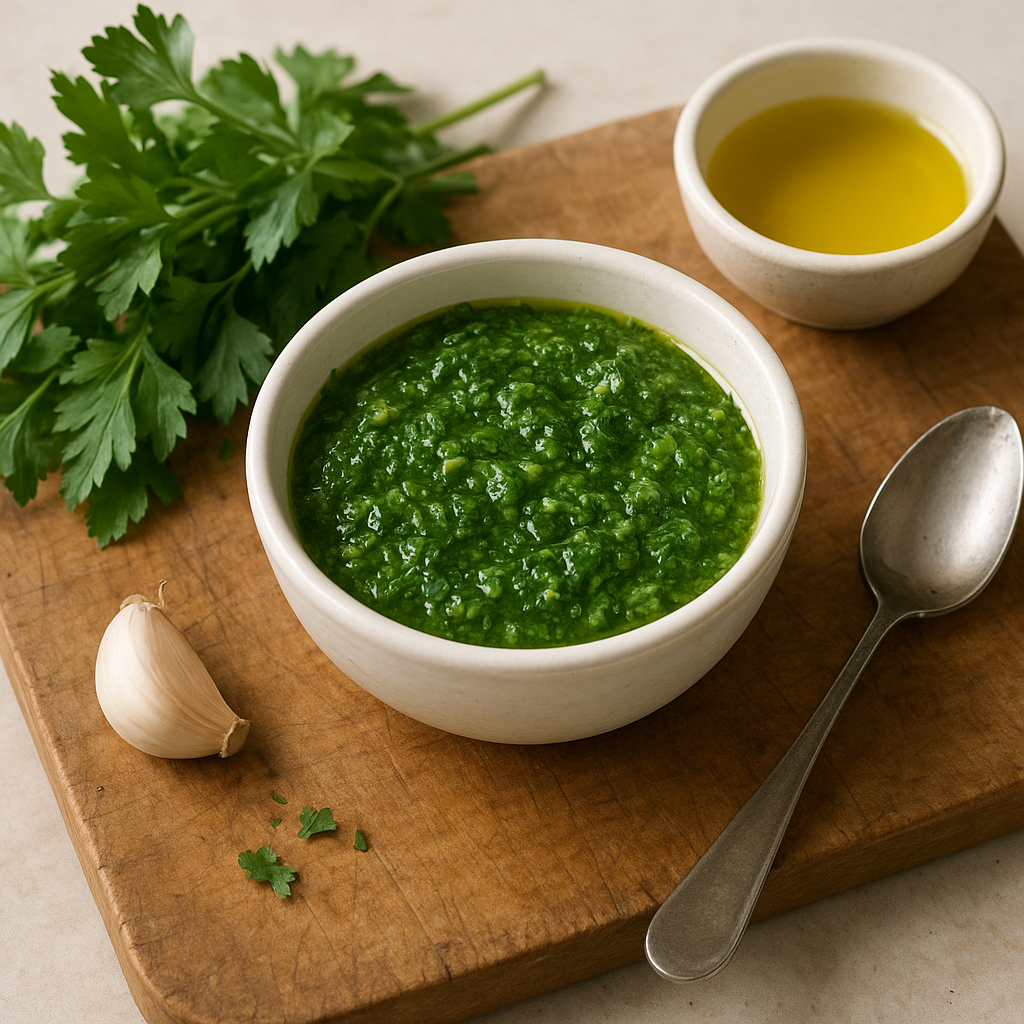
- Chop it finely with garlic, oregano, red wine vinegar, olive oil, salt, and a little chile if you want heat.
- Let it sit briefly so the parsley softens and the flavors come together.
- Keep it loose and spoonable, not thick like pesto.
- Use it on roasted vegetables, eggs, beans, salmon, chicken, potatoes, or rice before the bunch goes limp in the fridge.
If you have too much parsley and not enough patience for another complicated plan, make chimichurri.
Why parsley works so well here
Parsley has enough freshness to carry a sauce on its own, but it is mild enough to stay useful across a lot of meals. Chimichurri gives it more purpose than garnish duty. The vinegar wakes it up, the oil makes it rich enough to cling to food, and the garlic and oregano give it enough edge that even plain leftovers stop tasting flat.
This also fits the way parsley actually shows up in home kitchens. Maybe you cut a handful from a patio pot after reading how to grow parsley in pots without yellow leaves, slow germination, or weak stems. Maybe you bought a market bunch for one recipe and now need a second use. Either way, chimichurri uses enough parsley to make the bunch feel worth buying or growing in the first place.
What you need
- 1 packed cup finely chopped flat-leaf parsley, with some tender stems included
- 1 to 2 garlic cloves, finely chopped or grated
- 1 tablespoon finely chopped fresh oregano, or 1 teaspoon dried oregano
- 2 tablespoons red wine vinegar
- 1/3 to 1/2 cup olive oil
- 1/4 teaspoon red pepper flakes, or more if you like more heat
- salt
- optional black pepper
- optional small squeeze of lemon if the parsley is mild
Flat-leaf parsley gives the cleanest result, but curly parsley is still better used this way than left to melt in the fridge. If the bunch is damp from washing, dry it well first. Wet parsley makes the sauce duller and shorter-lived.
How to make parsley chimichurri
- Start with dry parsley. Shake off any moisture and remove thick lower stems, but keep the tender upper stems because they carry good flavor.
- Chop everything fairly small. You want a spoonable sauce, not giant leaves floating in oil.
- Mix the parsley, garlic, oregano, vinegar, chile, and a good pinch of salt. Stir before you pour in all the oil so the seasoning is not sitting only on the surface.
- Add the olive oil until it loosens. The sauce should look glossy and loose enough to spoon, not packed and pasty.
- Let it sit for 10 to 15 minutes. Freshly mixed chimichurri can taste a little sharp at first. A short rest helps it round out.
- Taste and adjust. Add more salt if it seems flat, more vinegar if it tastes heavy, or a little more oil if it feels too harsh.
You can chop by hand for the best texture or pulse everything very briefly in a processor. If you use a machine, stop before it turns into green paste. Chimichurri should still feel like a sauce, not a puree.
How it should taste
A good batch should taste bright, savory, and a little punchy. The vinegar should be obvious, but it should not take over. The garlic should wake up the sauce without making it feel raw and punishing. The parsley should still taste green and fresh rather than muddy.
- Too sharp: add a little more oil and let it sit another few minutes.
- Too flat: add salt before adding more vinegar.
- Too oily: add another small spoonful of vinegar or more chopped parsley.
- Too bitter: make sure the parsley was fresh and not bruised, then soften the batch with more oil.
The best ways to use it this week
- spoon it over roasted carrots, potatoes, or asparagus
- use it as a finishing sauce for oven salmon
- stir a little into warm white beans or chickpeas
- fold a spoonful into plain yogurt for a quick sauce
- finish fried or soft-boiled eggs with it
- drag warm bread through it with dinner
- spoon it over rice after making a proper pot of rice
- use it to wake up leftover chicken or grilled vegetables
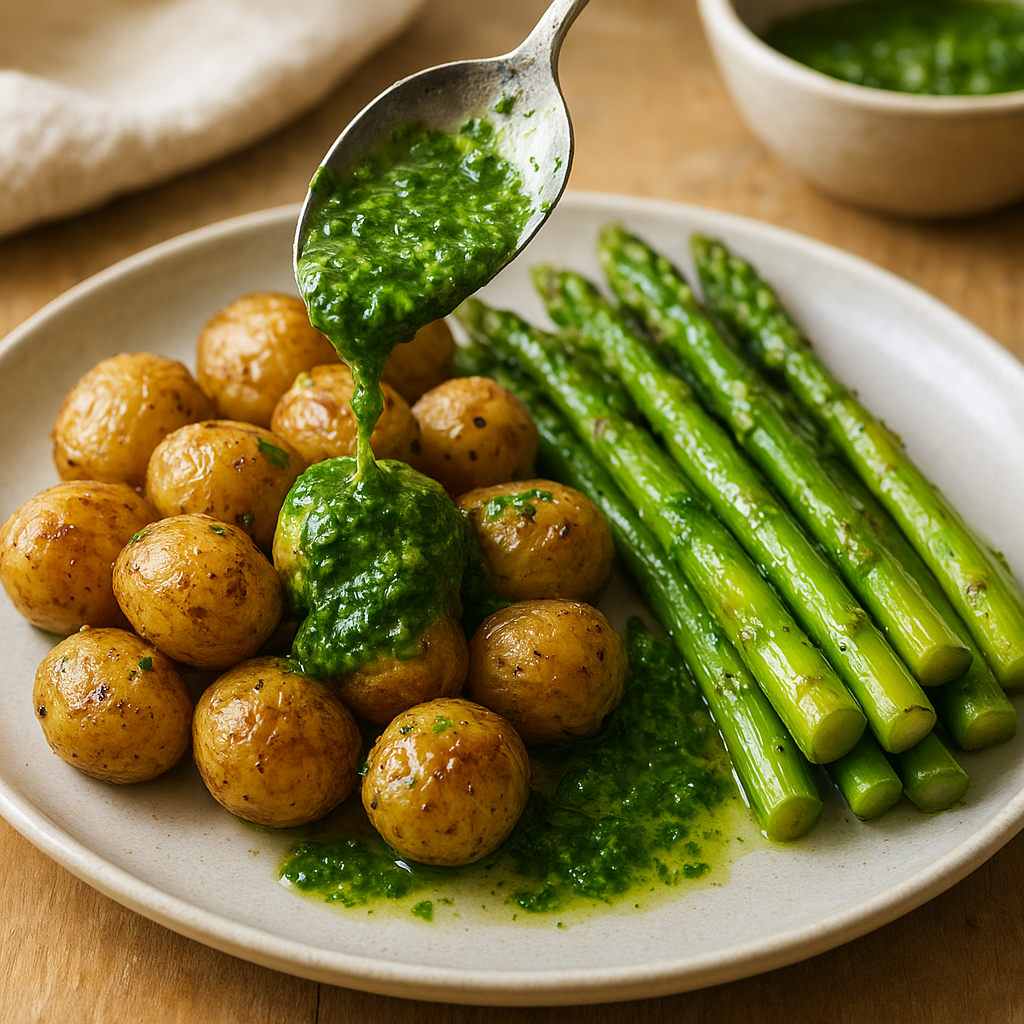
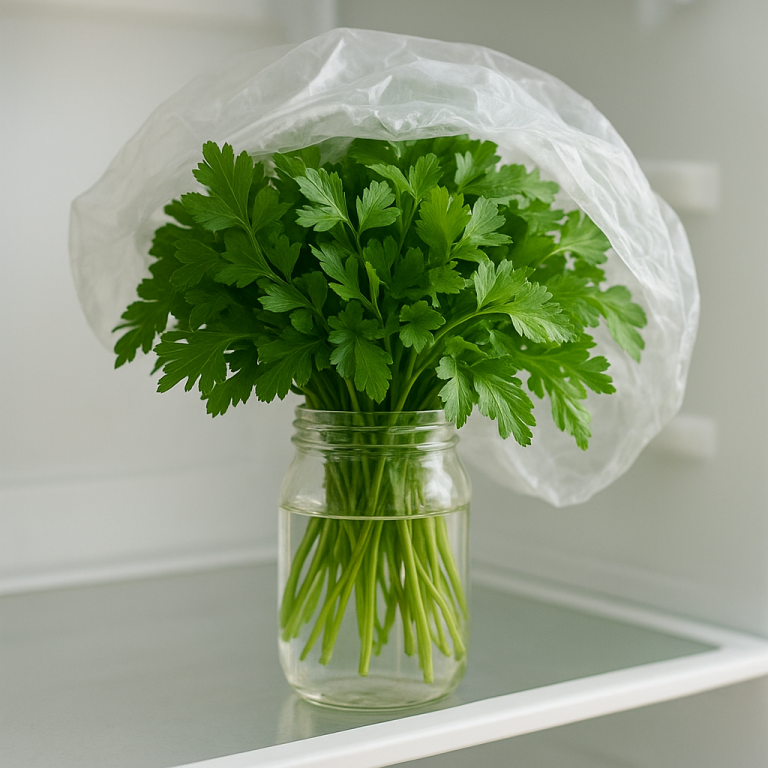
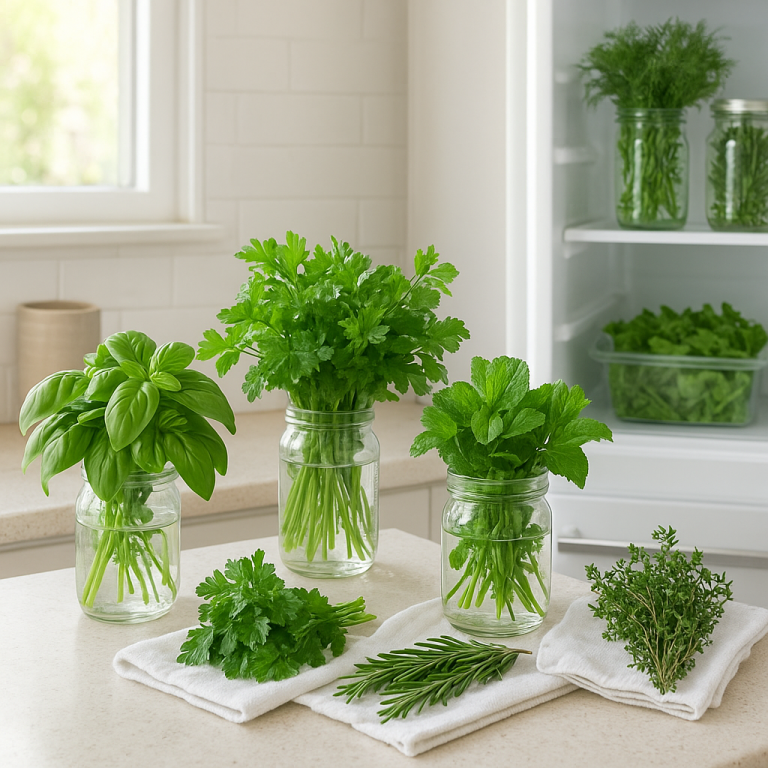
If you grow parsley, chives, or oregano at home, this is one of the easiest kitchen payoffs from a small herb setup. If your bigger problem is keeping herbs alive long enough to use them, start with a better fresh-herb storage setup. If you already know the bunch is too big for one sauce, the backup move after chimichurri is often herb butter.
How long it keeps
Keep chimichurri in a covered jar or container in the refrigerator. A thin layer of oil on top helps the surface stay fresher. It is best while the parsley still tastes lively and the garlic has not taken over the whole thing.
If you made a larger batch, use the first portion freely instead of saving it only for the perfect meal. This is the kind of sauce that earns its keep by landing on ordinary lunches and weeknight dinners.
Common mistakes
Using tired parsley
If the bunch is already yellowing, sticky, or collapsing, the sauce will never taste fully bright.
Blending it into paste
Overprocessing gives chimichurri a heavy texture. Keep some definition in the leaves.
Adding too much raw garlic
One extra clove can take the batch from lively to aggressive fast.
Forgetting the salt
Parsley and oil can taste surprisingly muted without enough seasoning.
Making it too far ahead without tasting again
The flavor shifts as it sits. A cold batch often needs a quick stir and a small adjustment before serving.
Troubleshooting
My chimichurri tastes harsh
It probably needs a little more oil, a pinch more salt, or just 10 more minutes to settle.
It turned dark on top
Press it into a smaller container and pour a thin film of oil over the surface next time. Stirring wakes it back up.
The parsley flavor disappeared
Too much garlic or dried oregano can bury it. Add more fresh parsley to pull the sauce back into balance.
I only have curly parsley
Use it anyway. Chop it a little finer and expect a slightly fluffier texture.
FAQ
Can you make chimichurri in a food processor?
Yes, but pulse carefully. It should stay loose and textured, not creamy.
Can you use curly parsley instead of flat-leaf parsley?
Yes. Flat-leaf parsley is easier to chop and usually tastes stronger, but curly parsley still works.
Is chimichurri only for steak?
No. It is excellent on vegetables, eggs, beans, chicken, fish, and grains.
Can you freeze parsley chimichurri?
You can, though the texture is best fresh. If you want a freezer-friendly herb project, herb butter often keeps its character a little better.
A better fate for the bunch
Chimichurri solves a very ordinary kitchen problem: too much parsley and not enough appetite for another garnish. One bowl turns that extra bunch into something sharp, flexible, and genuinely useful, which is a much better ending than finding it collapsed behind the yogurt later in the week.