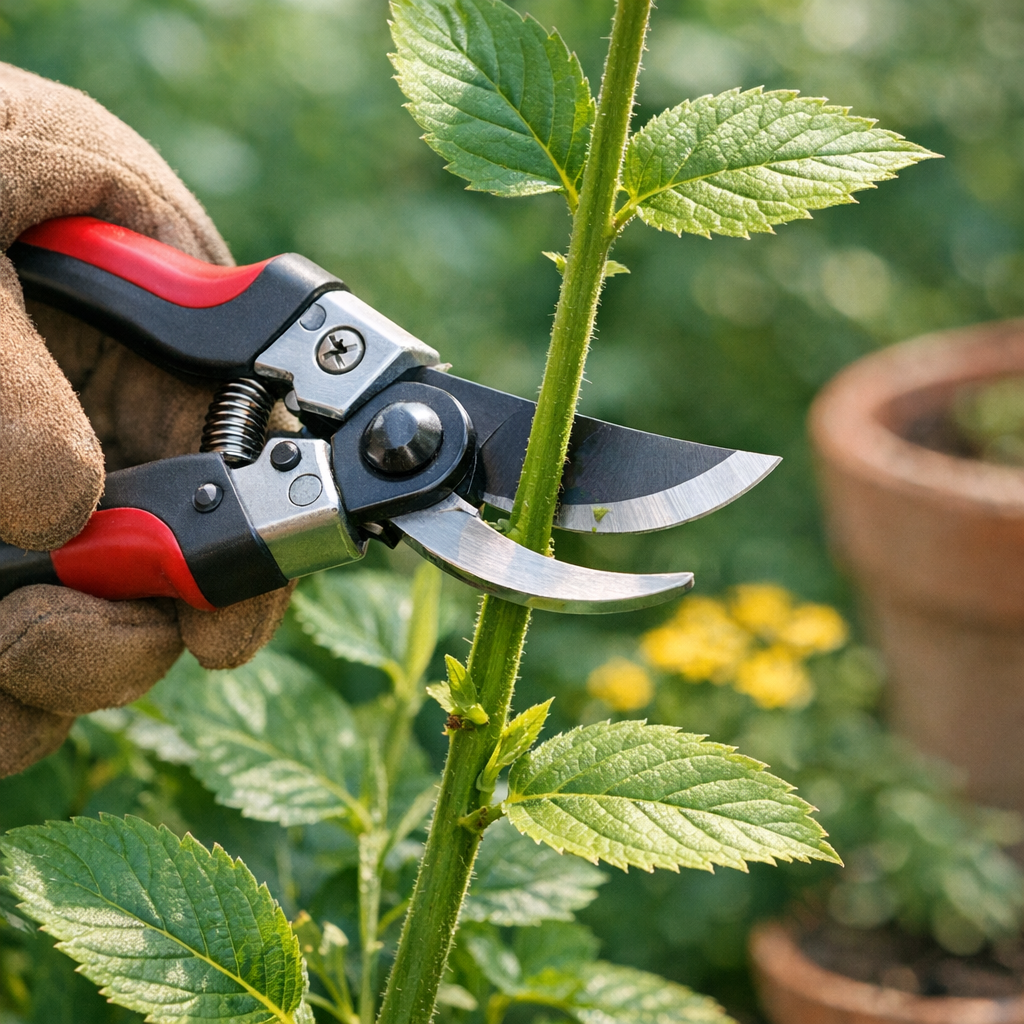
A Beginner-Friendly Pruning Guide for Healthier Plants and Fewer Regrets
Pruning makes a lot of people nervous for a simple reason: once you cut the wrong thing, there is no undo button. That fear is justified, but it should not stop you from pruning entirely. Most plants benefit from selective trimming when it is done for a clear reason instead of random cleanup.
If you have ever stood over a plant wondering what to cut and what to leave alone, that hesitation is normal. A few simple rules make pruning much less risky and a lot more useful.
What Pruning Is Actually For
- Remove dead or damaged growth
- Improve airflow
- Control size and shape
- Encourage stronger future growth
- Reduce disease pressure when dead material is lingering
Good pruning is not about making everything look smaller. It is about making the plant healthier, cleaner, or easier to manage.
The First Rule: Know What You’re Looking At
Before you cut anything, pause long enough to identify three things: what is dead, what is damaged, and what is still actively growing. Beginners often treat all messy growth like it should be removed, which is how they accidentally cut off flower buds, healthy stems, or future structure.
What You Can Usually Prune Safely
- Dead stems and leaves
- Broken or obviously damaged growth
- Diseased material you do not want lingering on the plant
- Stems that are crossing and rubbing
- Weak interior growth that is crowding the center
That is usually enough for a useful first pruning session. You do not need to turn every plant into a sculpture.
How to Make Better Cuts
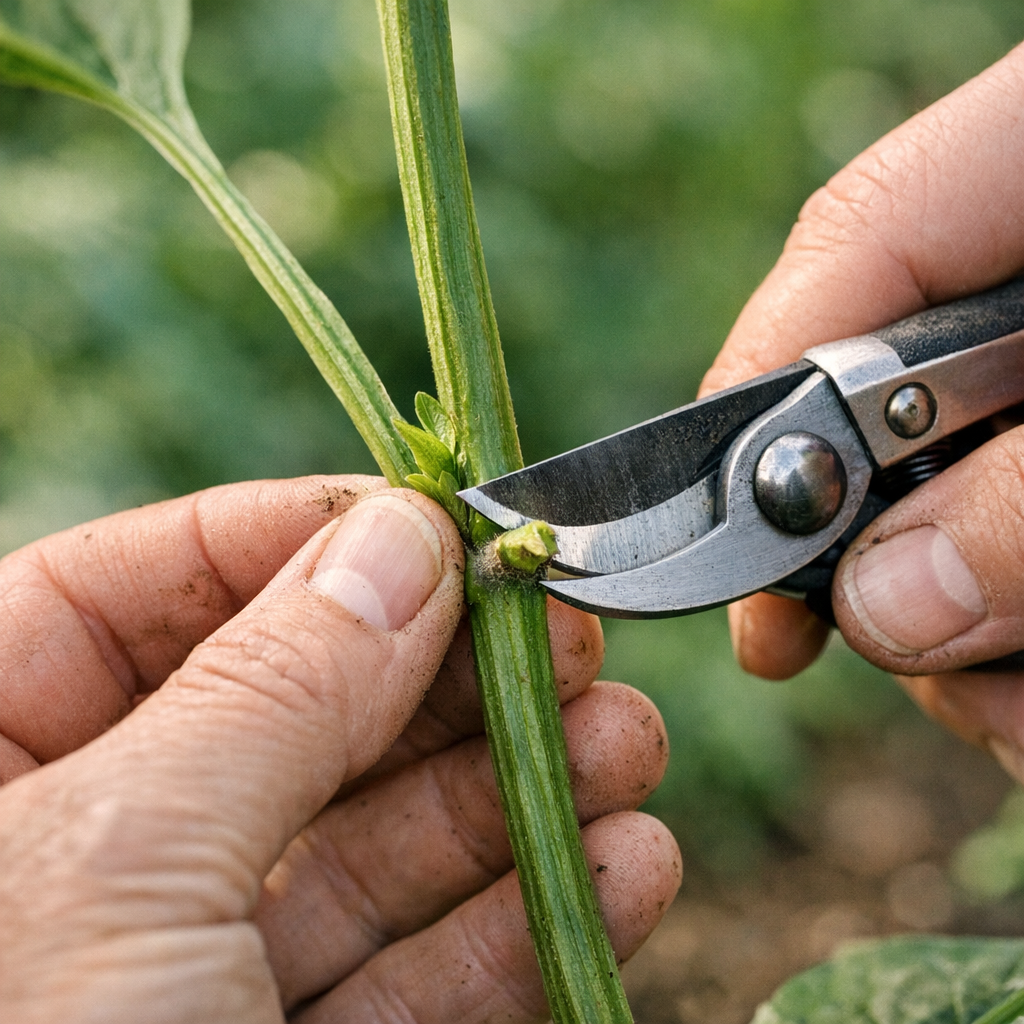
- Use clean, sharp pruners. Dull blades crush stems instead of cutting cleanly.
- Cut just above a node or healthy branch point. Do not leave a long dead stub.
- Do not shear randomly unless the plant actually suits that treatment.
- Step back and reassess as you go. Good pruning is easier in stages than in one overconfident burst.
The Biggest Beginner Mistakes
Cutting too much at once
A light, thoughtful pruning is usually safer than a dramatic one, especially on already stressed plants.
Pruning at the wrong time
Timing matters because some plants flower on old wood, some on new growth, and some recover faster in active growing seasons than others.
Ignoring plant stress first
If a plant is already struggling with bad watering, pests, or root problems, aggressive pruning can stack stress instead of solving it. Fix the obvious care issue first when possible.
When to Prune
Spring and early summer are the most forgiving times for many common plants because active growth helps recovery. Dead, damaged, or diseased material can usually be removed anytime it appears.
If a plant blooms on old wood, heavy pruning at the wrong time can wipe out the next bloom cycle. That is why broad beginner advice should always be applied with some plant-specific common sense.
What Tools You Actually Need
- Hand pruners for small stems
- Clean gloves if the plant is irritating or messy
- A disinfecting wipe or alcohol for blades if disease is involved
You do not need a giant tool collection to prune most home plants well.
How Pruning Fits with Other Plant Care
Pruning works best when the rest of the plant’s care is reasonably solid. If the real problem is watering, pests, or roots, cutting alone will not solve it.
If the plant is in a pot and struggling, review container watering in hot weather. If you see sticky residue, insects, or cottony growth, check the pest guide before assuming pruning is the main solution.
FAQ
Can pruning hurt a plant?
Yes, if you remove too much healthy growth, cut at the wrong time, or prune an already stressed plant too hard.
Should I prune brown leaves only?
Brown leaves are a fine place to start, but you should also look for dead stems, crossing growth, and obvious damage.
Do I need to seal pruning cuts?
Usually no. Clean cuts with clean tools are generally enough for most home gardening situations.
Final Thoughts
If you want to prune without panic, stop thinking in terms of cutting everything that looks messy and start looking for what is dead, damaged, crowded, or clearly in the way. That alone will prevent a lot of beginner mistakes.
The more often you prune with a clear reason, the faster your eye improves. Start small, make cleaner decisions, and let confidence build from there.