A Simple Outdoor Transition Plan for Stronger Seedlings and Less Transplant Shock
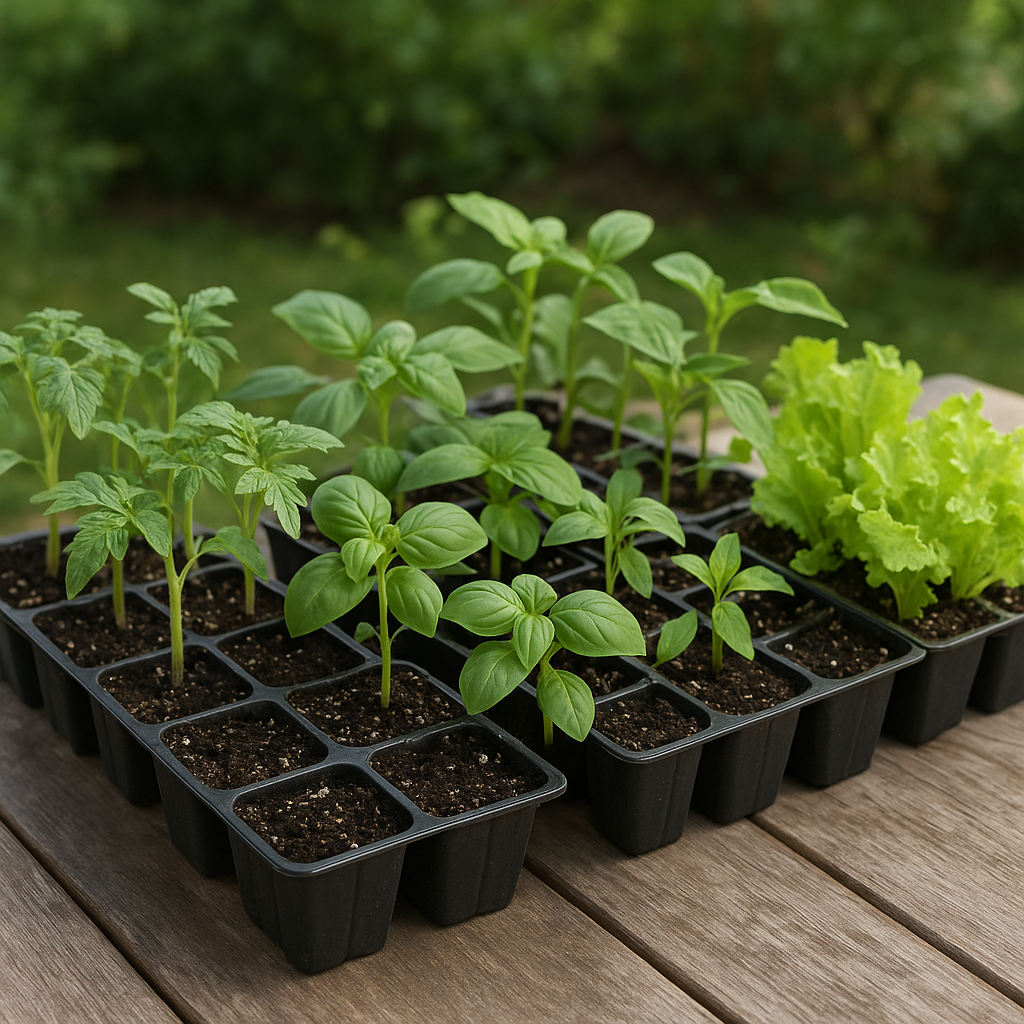
If you start vegetables, herbs, or flowers indoors, there is one step that decides whether those healthy-looking seedlings actually keep their momentum outside: hardening off. Skip it, rush it, or do it badly and plants that looked perfect under lights can end up scorched, stalled, floppy, or dead a few days after transplanting.
If you are about a week or two from transplanting, this is the stage where patience matters. A little time in shade, a little more time outside each day, and protection from rough weather will do more for seedling survival than rushing plants straight into full sun.
What Hardening Off Actually Means
Hardening off is the process of gradually exposing indoor-grown seedlings to outdoor sun, wind, temperature swings, and lower humidity before planting them in the garden or leaving them outside full time.
Indoor seedlings are used to a protected setup. Even strong grow lights are not the same as real sun, and a bright windowsill is still gentler than outdoor wind and spring temperature changes. Hardening off gives plants time to adjust instead of getting hit all at once.
The Short Answer
- Start about 7 to 14 days before transplanting.
- Begin in bright shade or dappled light, not direct midday sun.
- Protect seedlings from strong wind at first.
- Increase outdoor time a little each day.
- Keep warm-season plants away from chilly nights until conditions are actually safe.
- Transplant after seedlings can handle a full day outside in the conditions where they will grow.
If you want a practical rule, think gradual exposure, not outdoor shock therapy.
When to Start Hardening Off Seedlings
Start when all three of these are true:
- The seedlings have at least a few sets of true leaves.
- You are within roughly one to two weeks of transplanting.
- The forecast is mild enough for the crop you are growing.
Hardy crops like lettuce, brassicas, onions, and some herbs can usually begin earlier than warm-season plants. Tomatoes, peppers, basil, cucumbers, and other heat-lovers need a more cautious approach, especially if nights are still cold.
A Simple Day-by-Day Hardening Off Schedule
- Day 1: Put seedlings outside for 1 to 2 hours in bright shade or dappled light, sheltered from wind.
- Day 2: Leave them out for 2 to 3 hours in the same kind of protected light.
- Day 3: Increase to 3 to 4 hours and allow a little gentle morning sun if the plants look fine.
- Day 4: Leave them out for about half a day, still avoiding harsh afternoon exposure.
- Days 5 to 7: Extend the time outdoors and slowly increase direct sun based on the crop and weather.
- Days 7 to 14: For many seedlings, this is when they can handle full days outside and, if temperatures allow, some nights outdoors too.
You do not have to follow the clock like a laboratory protocol. The point is steady progression. Cloudy, mild days are easier. Windy, blazing, or unusually cold days are harder. Adjust based on conditions instead of forcing a rigid schedule.
What to Watch for While Seedlings Are Hardening Off
- Light wilting in heat: can happen temporarily, but seedlings should recover fast.
- Bleached or crispy patches: usually means too much sun too soon.
- Leaned-over trays or torn leaves: often means too much wind exposure.
- Slow recovery after each outing: back up a step and reduce the stress.
- Fast drying potting mix: small cells can dry much faster outdoors than under lights.
This is where good watering discipline matters. Outdoor exposure increases airflow and evaporation, so trays that were easy indoors can dry out fast outside. If you need more help with moisture checks and dry-out timing, see How Often Should You Water Container Plants in Hot Weather?.
Common Hardening Off Mistakes
Starting with full sun
This is the classic beginner mistake. Seedlings raised indoors can scorch shockingly fast in direct midday sun.
Ignoring wind
People focus on sunlight, but wind can be just as rough. A breezy porch that feels nice to you can beat up tender seedlings.
Leaving warm-season plants out on cold nights
Tomatoes, peppers, basil, and cucumbers do not care that it was sunny all afternoon if the night turns cold enough to stall them.
Letting trays dry out completely
Seed-starting cells do not hold much moisture. A tray can go from fine to bone-dry in one windy afternoon.
Transplanting immediately after a rough hardening day
If plants already look stressed, give them time to recover before moving them again. Stacking stress usually makes outcomes worse.
How Hardening Off Changes by Crop
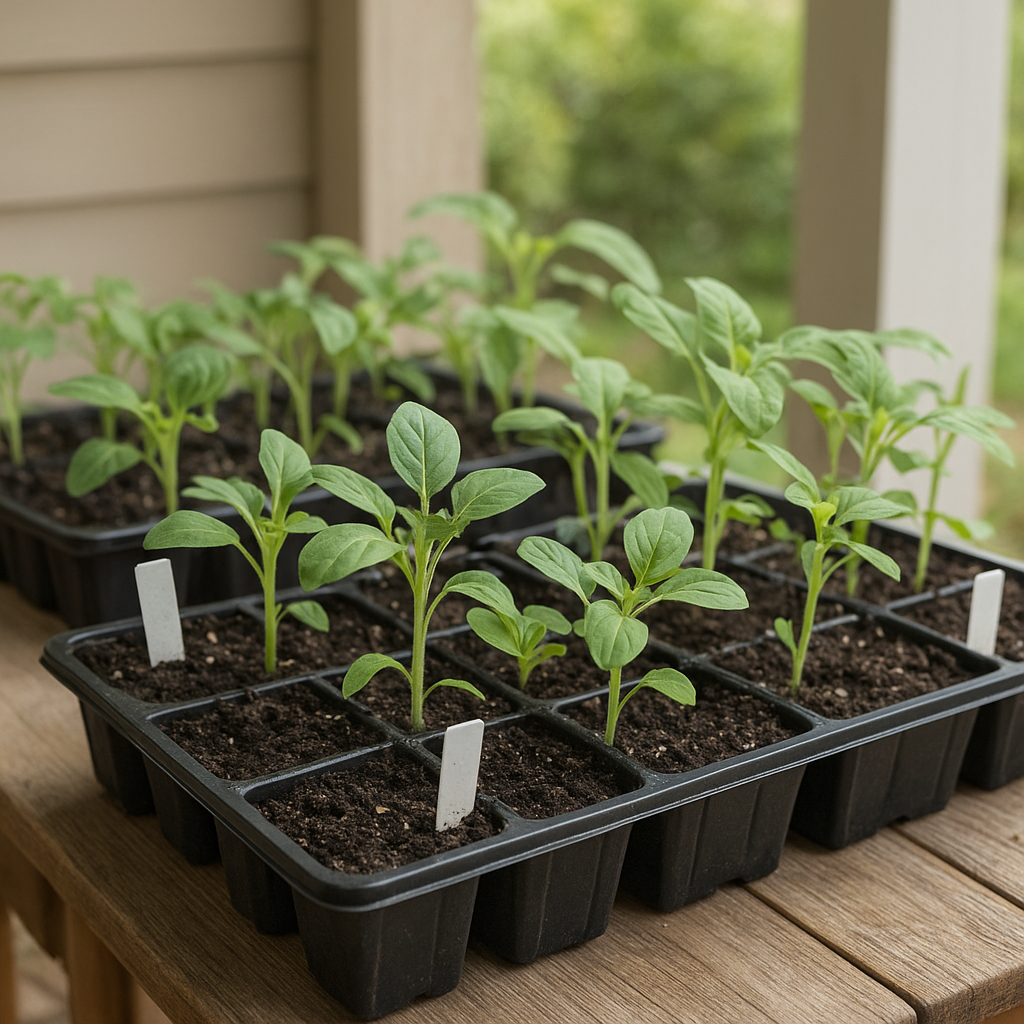
Not every plant needs the same level of caution.
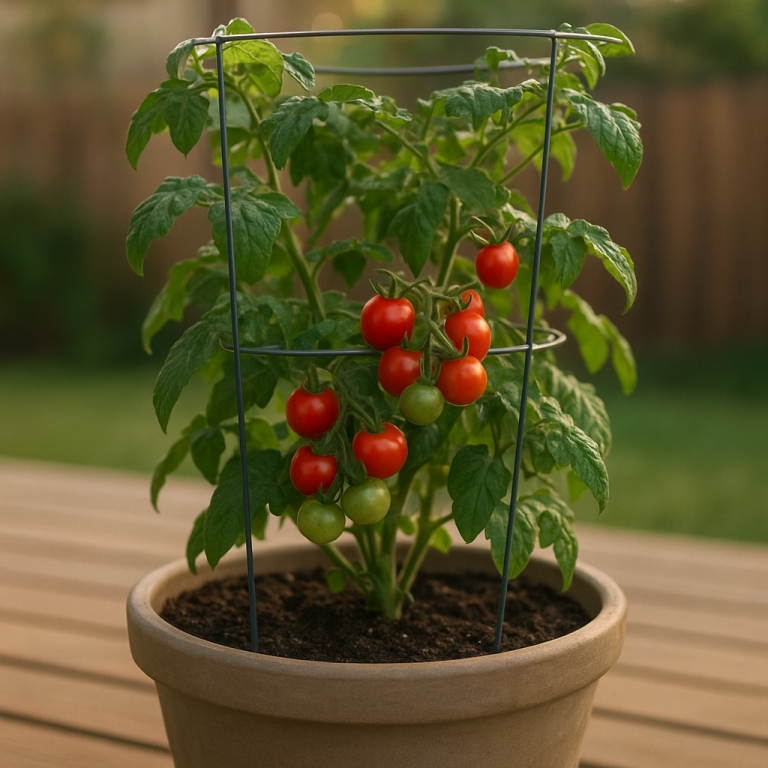
- Tomatoes and peppers: need careful handling around cold nights and sudden full-sun exposure.
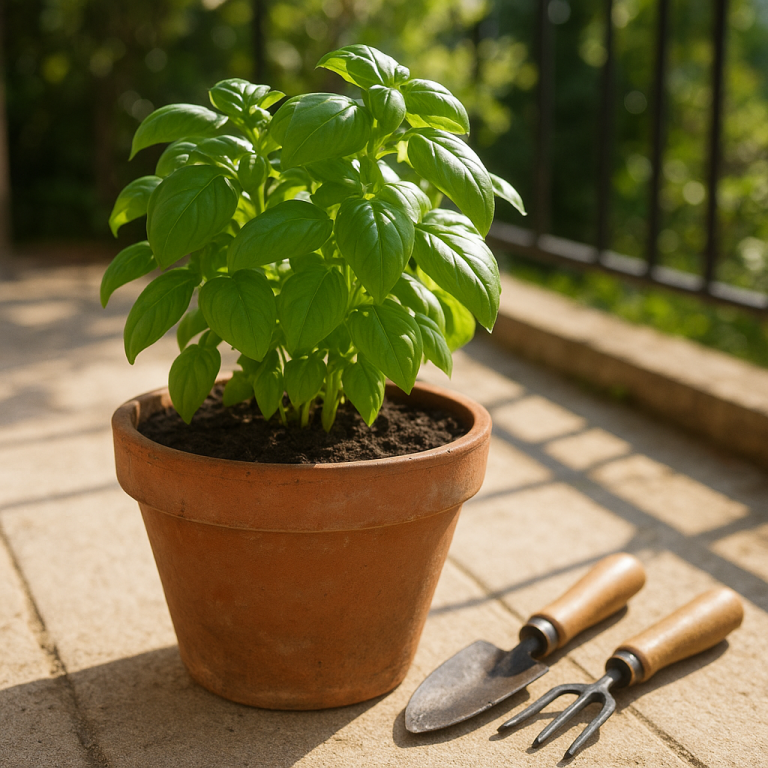
- Basil: is especially unhappy with cold, which is one reason so many early-season basil plants stall. See How to Grow Basil in Pots Without Leggy, Wilted Plants.
- Brassicas and lettuce: usually tolerate cool conditions better, but they still need adjustment to real sun and wind.
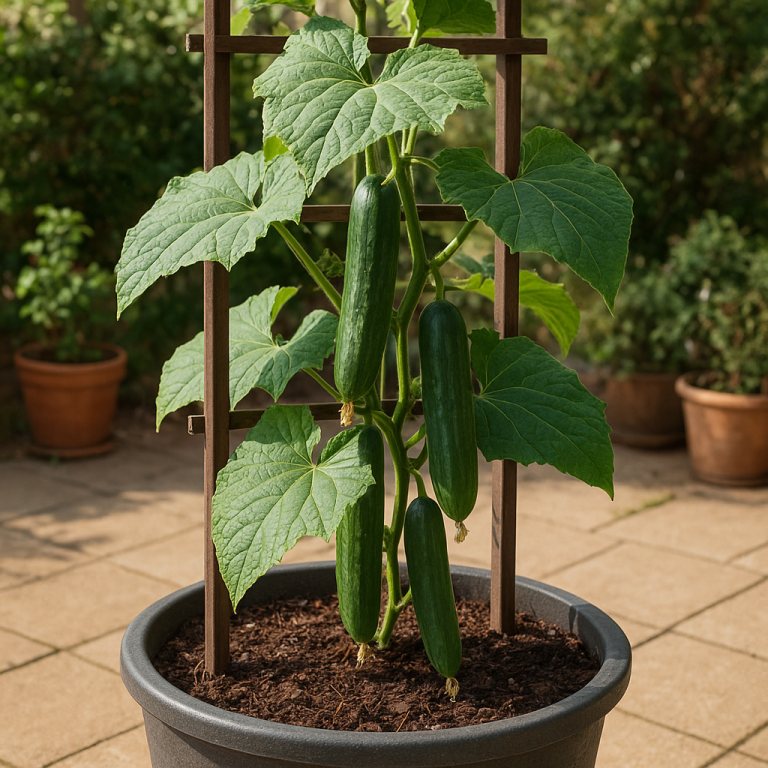
- Cucumbers, squash, and melons: dislike root disturbance, so be gentler with both hardening off and transplanting.
What to Do on Transplant Day
- Transplant on a mild or slightly cloudy day when possible.
- Water seedlings before planting so the root ball is not dry and crumbly.
- Handle plants by the pot or root ball more than by the stem.
- Plant at the right depth for the crop.
- Water in well after transplanting.
If roots are crowded, damaged, or need moving into a larger container first, the same careful logic from How to Repot a Plant Without Shock or Root Damage applies here too.
Troubleshooting Seedlings After Hardening Off
My seedlings wilted after one hour outside
The outdoor spot may have been sunnier, windier, or hotter than you thought. Move them back to brighter shade, check moisture, and restart more gradually.
Leaves turned pale or white
That is usually sunscald. Damaged leaves may not recover, but the plant can still bounce back if new growth stays healthy.
The plants stopped growing after transplanting
That can be transplant shock, cold stress, or rough root handling. Review both your hardening process and your transplant timing.
Some trays keep collapsing or rotting
That may be more than hardening off trouble. If stems are pinched, dark, or collapsing at the soil line, you may be dealing with damping off or another seedling disease issue rather than simple outdoor stress.
FAQ
How long does hardening off take?
Usually about one to two weeks. Mild weather and tougher crops can move faster. Tender crops and rough weather need more caution.
Can I harden off seedlings on cloudy days?
Yes. Cloudy, mild days are often ideal because the light is less brutal while the plants still experience outdoor conditions.
Can seedlings stay out overnight while hardening off?
Only when nighttime temperatures are truly suitable for that crop. Warm-season plants need much more caution than cool-season ones.
Do store-bought seedlings need hardening off too?
Often yes, especially if they were grown in a greenhouse or protected retail area. They may still need a transition before going into full outdoor conditions.
Final Thoughts
Hardening off is not glamorous, but it saves plants, preserves early growth, and makes the rest of spring gardening go much more smoothly. It is one of those unsexy skills that separates a tray of promising seedlings from a garden that actually gets established.
Once you get the rhythm down, hardening off becomes one of the simplest ways to avoid transplant setbacks. A few extra days of gradual exposure can save you from replacing trays, losing early growth, and wondering why healthy seedlings suddenly stalled.