A Simple Container Mint Setup for Fresh Leaves Without the Usual Chaos
Mint sounds easy because it grows fast, but that speed is exactly what gets people into trouble. One plant turns into a crowded root mass, stems get long and floppy, leaves lose some of their punch, and before long the pot is more mess than herb patch.
The fix is not to baby mint. The fix is to contain it, cut it often, and stop treating it like a polite little kitchen herb. In the right pot with regular harvesting, mint is one of the easiest useful plants to keep productive for months.
The short answer
- Grow mint in its own pot, not mixed with other herbs.
- Use a container with drainage that is at least 8 to 10 inches wide.
- Keep the soil evenly moist instead of letting it swing bone-dry.
- Pinch stems often to keep the plant bushy.
- Cut out old woody stems and divide overcrowded roots when the pot fills up.
- Give it strong light, but protect it from the harshest afternoon heat in hot weather.
That basic setup prevents most mint problems before they turn into a tangled container headache.
Why mint goes wrong in pots even though it grows so fast
Mint is vigorous, but vigorous does not mean maintenance-free. It sends roots everywhere, crowds itself quickly, and responds to neglect by getting lanky or rough instead of staying lush and tender.
- Overcrowded roots: the pot fills up fast and growth gets weaker.
- Irregular watering: repeated dry spells make leaves wilt and stems toughen.
- Too little trimming: uncut mint gets tall, floppy, and less productive.
- Too much heat: hot reflected sun can scorch a container faster than people expect.
- Mixed planting: mint often bullies neighboring herbs below the soil line.
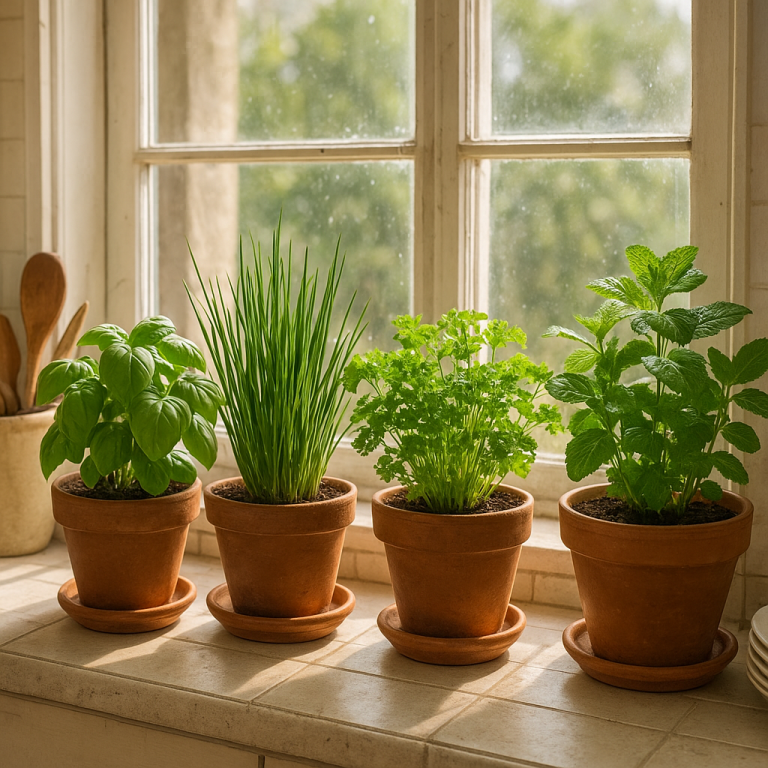
If you want a mixed herb planter, mint is usually the herb to keep separate. Herbs such as basil and cilantro play more nicely in a planned setup. Mint usually wants its own container and its own rules.
Give mint its own pot from the start
The main reason people grow mint in pots is containment. In the ground, many kinds of mint spread aggressively. In a shared container, they can still overrun the root space and weaken everything around them.
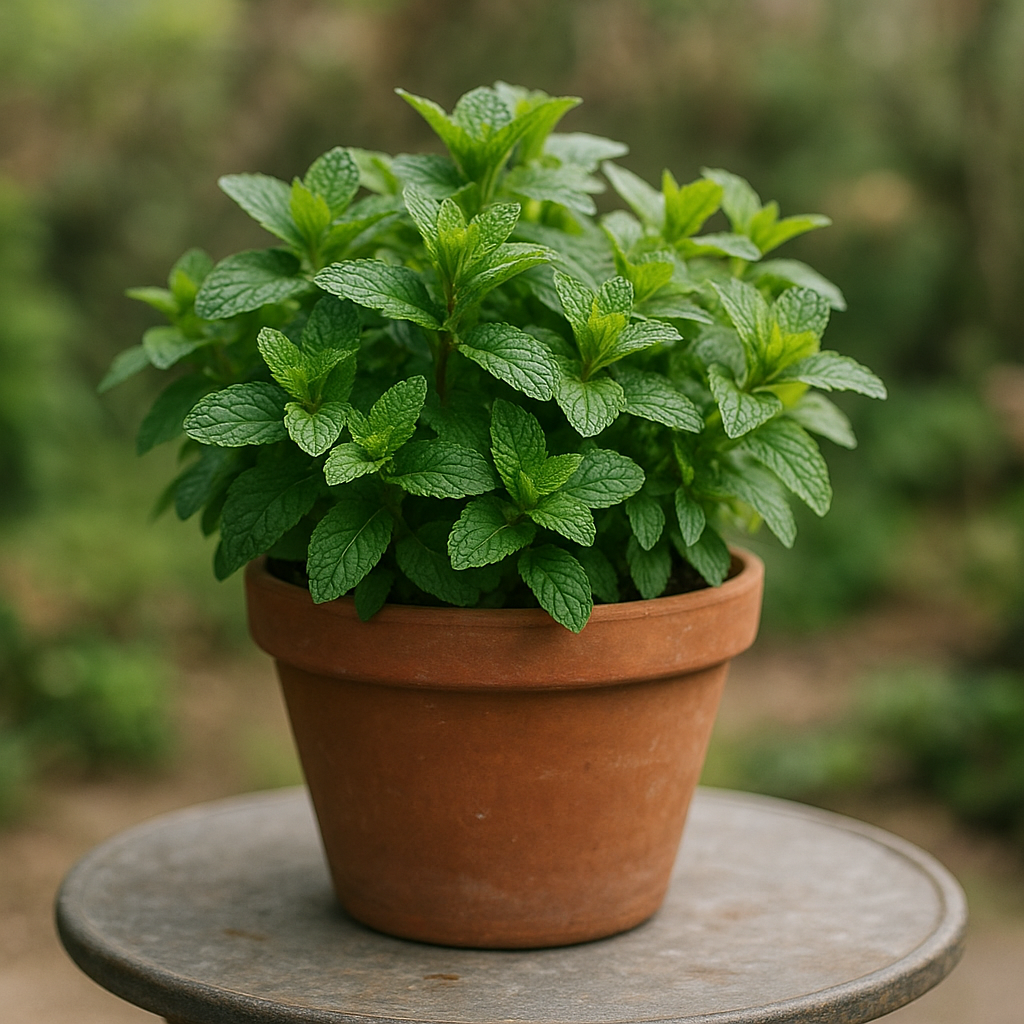
- Good minimum: an 8-inch pot with drainage holes
- Better: a 10- to 12-inch pot for a fuller plant and steadier moisture
- Best habit: one mint plant per container
A medium pot is usually easier than a tiny windowsill container because it dries less dramatically and gives you more room before the roots choke the whole setup. If your plant already looks crowded or rootbound, the steps in this repotting guide will help you move it without roughing it up.
Use loose potting mix and keep it evenly moist
Mint likes moisture more than many Mediterranean herbs do, but it still hates sitting in stagnant water. The goal is evenly moist potting mix, not swampy soil and not a pot that goes fully dry every sunny afternoon.
- Use fresh potting mix meant for containers.
- Water thoroughly when the top inch starts to dry.
- Let excess water drain away completely.
- Check more often once the weather turns hot or windy.
If your patio pots swing from healthy in the morning to droopy by dinner, use the same troubleshooting logic in How Often Should You Water Container Plants in Hot Weather? instead of following a rigid daily schedule.
Strong light keeps mint flavorful, but extreme heat makes it miserable
Mint grows best with plenty of light, but the exact sweet spot depends on your climate. In mild conditions, full sun works well. In hotter areas or on reflective patios, some afternoon shade often keeps leaves softer and reduces stress.
- Cool to mild weather: full sun to bright partial sun
- Hot climates: morning sun and afternoon shade
- Warning sign: scorched edges and fast midday wilting usually mean too much heat on the container
The plant may survive harsher conditions, but survival is not the same as a steady supply of good leaves.
Pinch and harvest often or the plant gets leggy fast
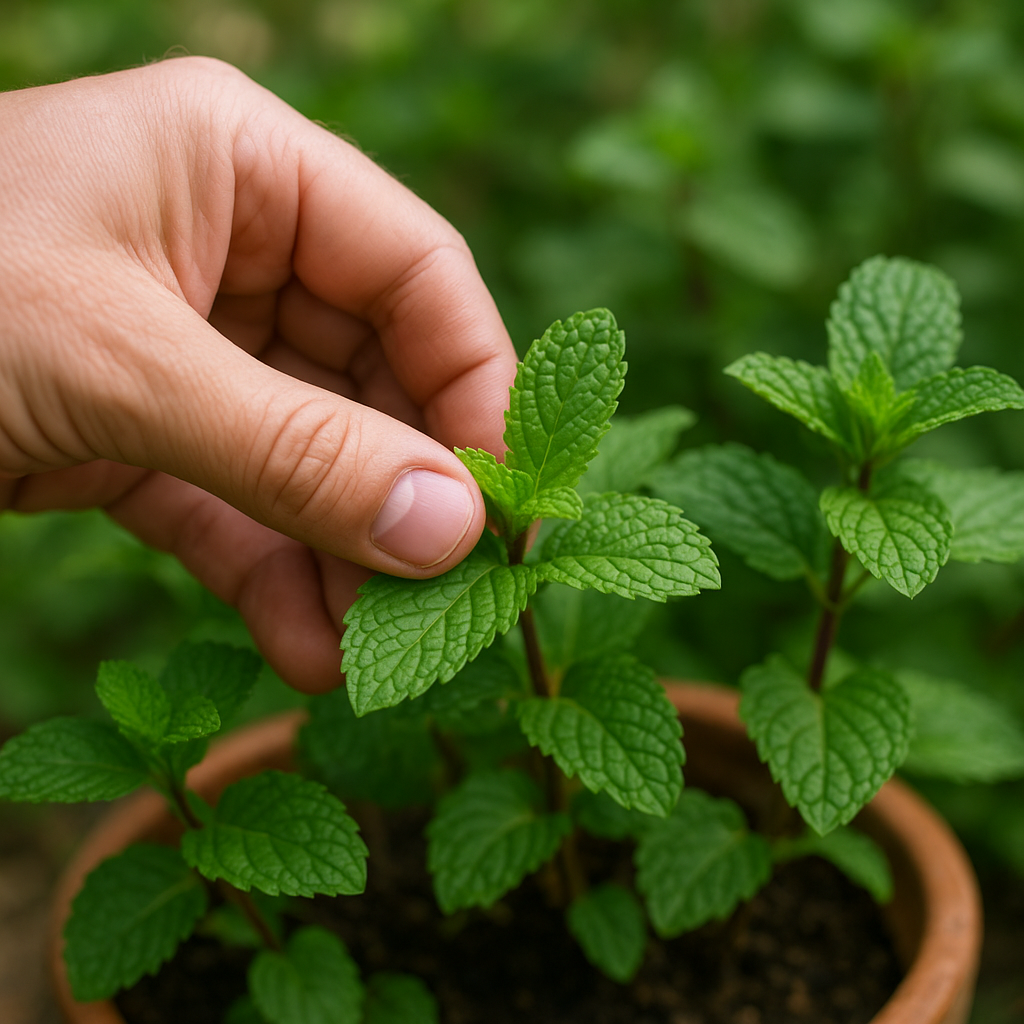
Mint responds well to regular cutting. If you keep taking the tender tips, the plant branches lower and fills out instead of racing upward into a floppy clump.
- Pinch just above a leaf pair.
- Harvest a little and often instead of shaving one side bare.
- Cut back long runners before they dominate the plant.
- Remove flower buds if your goal is leaf production over blooms.
This is the same basic idea behind regular trimming in How to Prune Plants Without Cutting the Wrong Thing: small, timely cuts keep plants more useful than long stretches of neglect followed by one severe chop.
Refresh old mint before it turns into a woody knot
Mint is not a plant you set and forget for years in the same nursery pot. As roots pack the container, new growth gets smaller and the center can turn into a tired woody tangle.
- Trim out older bare stems at the base.
- Divide or repot when roots circle densely and water runs through too fast.
- Refresh with new potting mix instead of trying to force another season from exhausted soil.
A quick divide once the pot is crowded is often easier than nursing a declining plant through months of frustration.
Common mint problems in pots and the fastest fixes
The plant keeps wilting
Usually the pot is drying too hard or the roots have packed the container so tightly that water is not soaking in evenly. Water deeply, then check whether the plant needs a larger pot or division.
Stems are tall and floppy
That usually means not enough trimming, not enough light, or both. Pinch more often and move the pot into brighter conditions if possible.
Leaves are small and flavor is weak
Root crowding, tired potting mix, and heat stress are common reasons. Refresh the pot, trim the plant back, and keep moisture steadier.
Lower leaves turn yellow
A few older leaves aging out is normal, but widespread yellowing can point to soggy soil or a pot that stays wet too long. Check drainage before adding more water.
Aphids show up on tender tips
Fresh mint growth can attract aphids. If new stems look sticky or clustered with tiny insects, use the steps in How to Get Rid of Aphids, Fungus Gnats, and Mealybugs before the problem spreads.
Quick FAQ
Can mint grow indoors in a pot?
Yes, if it gets strong light. A bright window can work, but growth is usually fuller outdoors or under very good supplemental light.
Should mint be grown alone?
Usually yes. Keeping mint in its own pot is the easiest way to stop it from crowding out other herbs.
How often should you water mint in pots?
Often enough to keep the mix evenly moist without leaving the roots waterlogged. The exact rhythm depends on pot size, temperature, wind, and sun exposure.
Does mint come back after cutting?
Usually yes. Regular pinching encourages branching and fresh new leaves, as long as the plant has enough light, moisture, and root room.
The short version
Give mint its own pot, keep the soil evenly moist, pinch it often, and refresh the roots before the container turns into a packed woody clump. Do that, and mint goes back to being what it should be: one of the easiest, most useful herbs you can keep close to the kitchen.