A Simple Patio Lettuce Setup for Crisp Leaves and Repeat Harvests
Lettuce is one of the easiest edible crops to grow in containers, but it stops being easy when the pot gets hot, the soil dries out too hard, or the plants are packed so tightly that everything turns limp and ragged. The goal is not just getting a handful of leaves once. The goal is steady, tender harvests before the weather or pests wreck the whole setup.
The good news is that lettuce grows fast, does not need a huge container, and fits small patios, balconies, and porch setups well. If you keep it cool enough, evenly watered, and cut it correctly, one pot can produce multiple harvests instead of one tired flush.
If you are planting nursery starts or indoor seedlings outside, do not skip the transition. This guide on hardening off seedlings will help you avoid a rough start.
Choose the kind of lettuce that matches your container
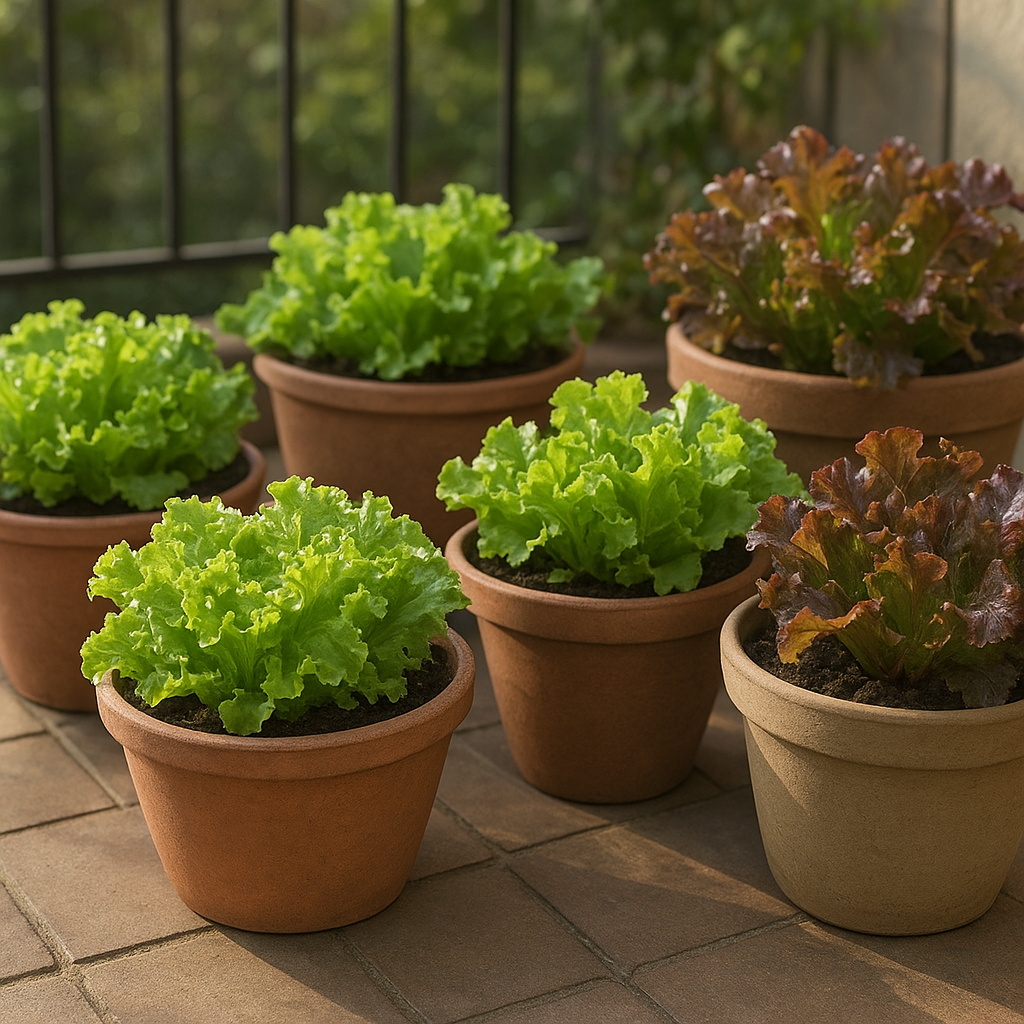
Loose-leaf lettuce is usually the simplest choice for pots because it grows quickly and lets you harvest outer leaves again and again. Head lettuce can work too, but it needs more spacing, more patience, and a cooler stretch of weather.
- Best for most containers: loose-leaf, oakleaf, and romaine baby-leaf mixes
- Good for deeper boxes or larger pots: mini romaine and small heading types
- Least forgiving in heat: tight head lettuce grown too late into hot weather
If your main goal is frequent salads, loose-leaf types are usually the better bet. They recover faster after cutting and make better use of a compact patio planter.
Use a wide container with reliable drainage
Lettuce does not need the giant root volume that tomatoes or cucumbers want, but it does better in a container that stays evenly moist and gives each plant a little breathing room. Width matters more than extreme depth.
- Good depth: about 6 to 8 inches for baby leaf and most loose-leaf plantings
- Better for romaine or larger heads: 8 to 10 inches deep
- Best shape: window boxes, trough planters, and wide bowls with drainage holes
A cramped pot heats up faster and dries faster. That is when lettuce gets stressed and starts turning bitter or bolting before it has done much for you.
Plant in cool weather and keep sowing in small rounds
Lettuce is a cool-season crop. It likes mild days and cool nights much more than peak summer heat. In many places, the strongest container harvests happen in spring and again in early fall.
- Best timing: early spring, then again when late-summer heat starts easing
- Direct sowing: easy and usually fast in mild weather
- Succession planting: sow a small new section every 1 to 2 weeks instead of one huge batch
That small-round planting rhythm matters. Lettuce matures quickly, and a single overloaded planter often gives you too much at once and then nothing worth eating later.
Use loose potting mix and resist the urge to crowd it
Use fresh potting mix meant for containers, not dense garden soil. Lettuce roots are shallow and fast-growing, and they do best in a mix that drains well but still holds enough moisture to stay gently damp.
- Fill the pot with quality container mix.
- Water the mix before or right after sowing so seed does not shift around.
- Thin seedlings early instead of pretending they will somehow sort themselves out.
- Use the thinnings in salads rather than wasting them.
For baby-leaf lettuce, tighter spacing is fine. For fuller plants, give them room. Crowding traps moisture, limits airflow, and leaves you with a pot full of weak stems and dirty lower leaves.
Give lettuce sun, but not the kind that cooks it
Lettuce likes bright light, but once temperatures climb, harsh afternoon sun can push it into stress fast. In cooler weather, full sun is usually fine. In warmer stretches, morning sun with some afternoon shade is often the sweet spot for containers.
- Cool spring weather: more direct sun is usually helpful
- Warm late spring or early summer: protect from the fiercest afternoon exposure if leaves are flagging
- Hot balconies and patios: watch for reflected heat from walls, railings, and concrete
If a patio gets brutal in summer, move lettuce to a slightly gentler spot and shift the sunniest space to heat-lovers. If you are building out a mixed edible patio, this guide on growing basil in pots helps with a crop that actually likes warmer conditions.
Keep moisture even or expect bitter, floppy leaves
Lettuce is mostly water, so a container that swings from dry to soaked creates fast quality problems. Leaves turn limp, growth slows, and flavor gets harsher. Shallow roots mean the plant notices moisture stress early.
- Water slowly and thoroughly when the top of the mix starts feeling dry.
- Check containers often during warm or windy weather.
- Use mulch if the surface is drying too fast.
- Do not rely on a rigid calendar when temperatures are changing.
When the weather turns hot enough to make every patio pot harder to manage, this guide on watering container plants in hot weather gives a better framework than guessing from droopy leaves alone.
Feed lightly and focus more on steady growth than big fertilizer moves
Lettuce is a fast crop, but it does not need a heavy feeding program. Rich potting mix plus a light, balanced fertilizer is usually enough for container growing, especially if you are reseeding often rather than trying to keep one planting forever.
If leaves are pale and growth is slow, a light feed can help. If plants already look soft and lush, more fertilizer is probably not the missing answer.
Harvest it the right way so the planter keeps producing
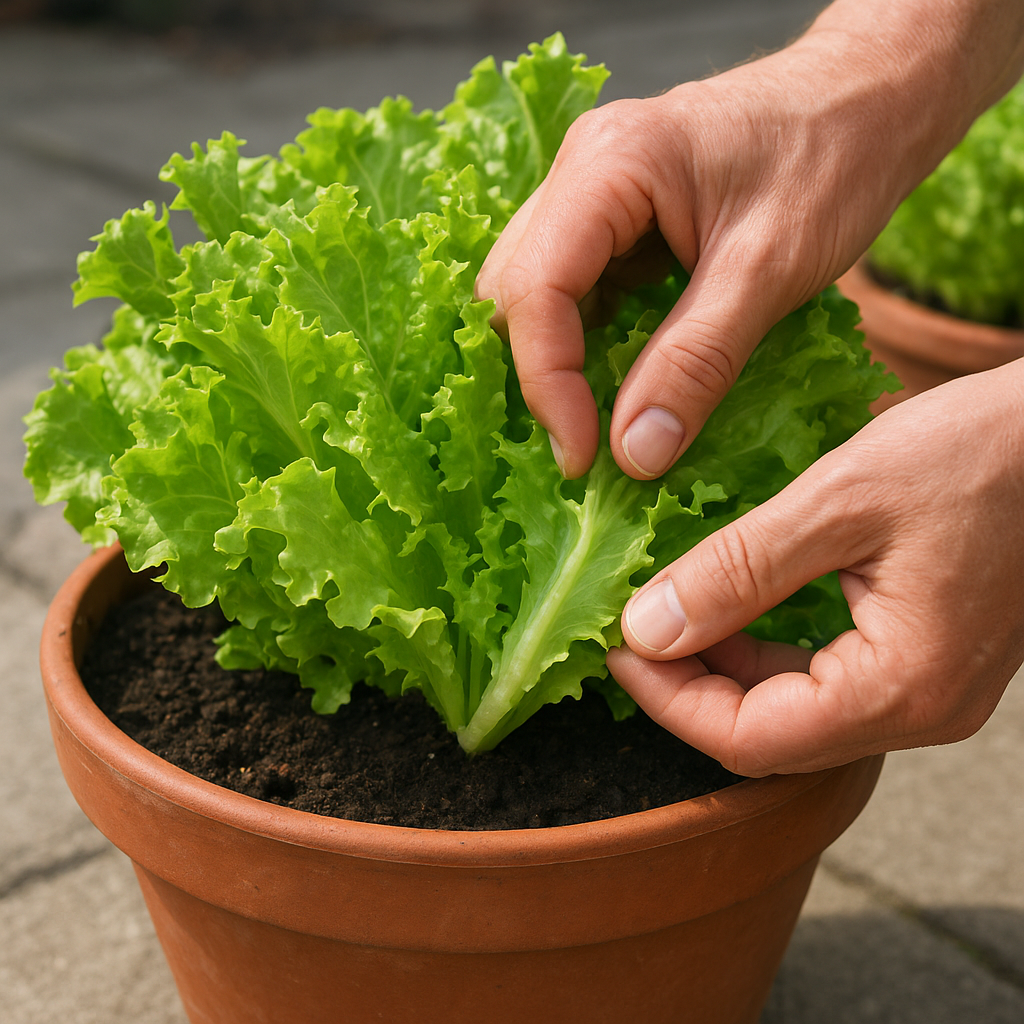
Loose-leaf lettuce is ideal for cut-and-come-again harvesting. Instead of yanking the whole plant, take the outer leaves and leave the center growing point intact. That keeps the planter productive longer.
- For baby leaf: snip leaves when they are young and tender
- For loose-leaf plants: pick outer leaves first
- For heads: cut the whole plant when it reaches usable size
- Best time to harvest: cooler morning hours, before leaves lose crispness
Wash and chill the harvest soon after cutting if you want the best texture. Lettuce that sits warm on a porch table gets sad quickly.
Common lettuce problems in pots and the fastest fixes
Bolting
When lettuce bolts, it stretches upward and starts shifting toward flowering. Leaves get smaller, tougher, and often more bitter. Heat is the usual trigger, especially when the pot also dries out.
The fix is mostly prevention: plant early, use afternoon shade when needed, keep the soil evenly moist, and sow new rounds before the old planting is finished.
Bitter leaves
Bitter lettuce usually means age, heat stress, or drought stress. Older leaves naturally get stronger, but sudden bitterness in a whole planter usually points to the growing conditions getting too hot or too dry.
Holes and slime trails
Slugs love cool, damp hiding places and tender lettuce leaves. Check under the container lip, beneath mulch, and around the base of the pot if leaves look chewed overnight.
- Remove damaged lower leaves that stay wet and floppy.
- Water early enough that the surface is not soaked all night.
- Inspect pots in the evening or early morning when slugs are active.
- Reduce clutter around the planter where they hide.
Aphids on tender new growth
Lettuce can attract aphids, especially when growth is soft and crowded. If leaves start curling or feeling sticky, inspect the undersides and the inner growth. This guide on getting rid of common plant pests covers the basic inspection and cleanup habits that help before the problem spreads.
Rotting or collapsing plants
If the mix stays soggy and air cannot move through the planting, lettuce can rot at the base. Thin it, improve drainage, and stop treating the planter like a swamp.
Quick FAQ
Can lettuce grow well in shallow pots?
Yes, especially loose-leaf and baby-leaf types. A wide container with about 6 to 8 inches of depth is usually enough if watering stays consistent.
Does lettuce in pots need full sun?
In cool weather, full sun is usually fine. Once temperatures rise, morning sun and some afternoon shade often produce better leaves.
Why did my lettuce turn bitter so fast?
Usually because the planter got too hot, too dry, or the plants stayed in too long and started aging toward bolting.
Can you keep harvesting lettuce after cutting it?
Yes, if you are growing loose-leaf types and leave the center growing point intact. That cut-and-come-again method is one of the best reasons to grow lettuce in containers.
The short version
Use a wide pot, loose container mix, cool-season timing, and even watering. Give lettuce enough light without letting it bake in harsh afternoon heat, harvest it young, and reseed in small rounds. That combination prevents most of the usual container lettuce problems before they start and keeps the harvest useful instead of short-lived.