A Beginner-Friendly Container Basil Guide for Bigger Harvests and Fewer Midseason Failures
Basil is one of the first plants people try when warm-weather growing season starts, and for good reason: it is useful, fast, and actually fits a small patio, porch, balcony, or kitchen-adjacent pot. The problem is that basil also goes bad fast when the setup is wrong. A healthy plant can turn leggy, wilted, pale, or flower-happy in a matter of weeks.
If your basil keeps drooping, stretching, or yellowing, the problem is usually something basic: not enough sun, inconsistent watering, a cramped pot, or cold nights. Fix those early and basil becomes much easier to keep productive.
The Short Answer
If you want basil that stays leafy instead of weak and miserable, do this:
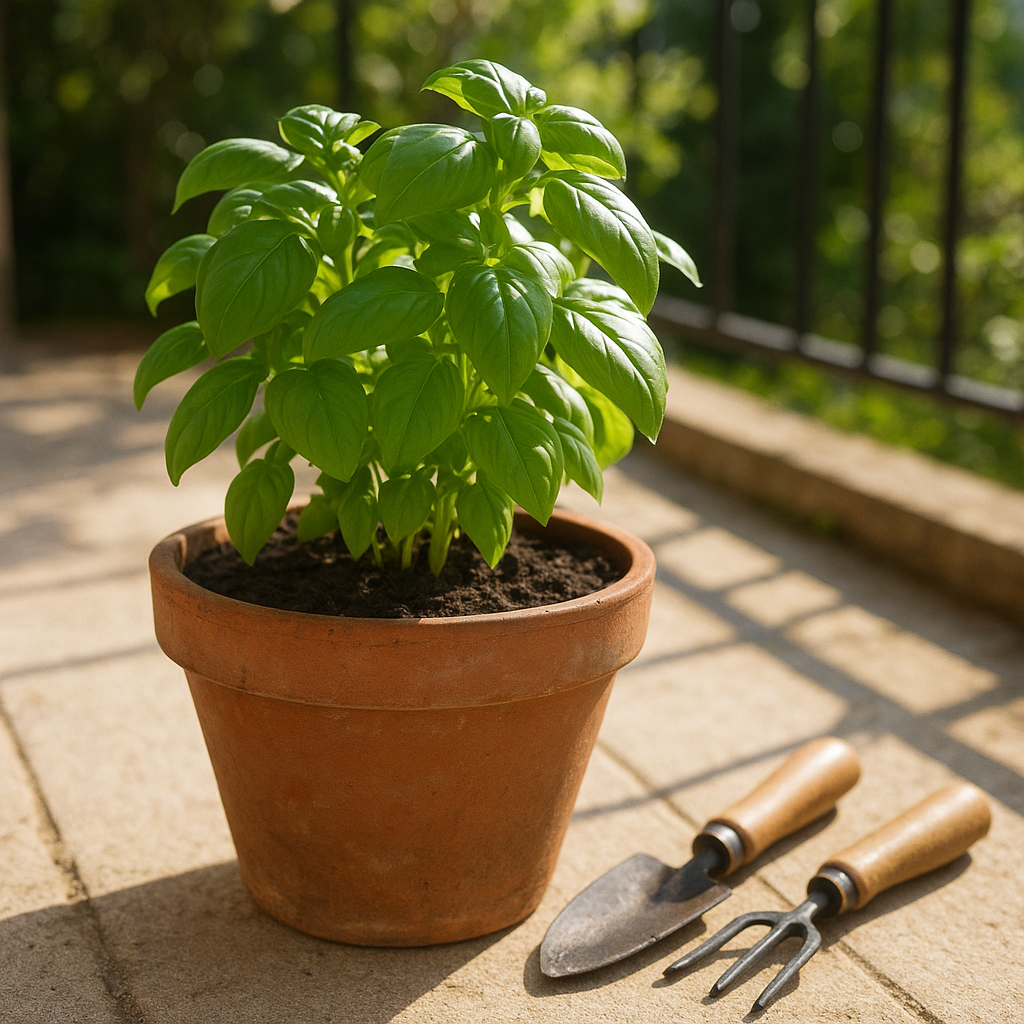
- Use a pot with drainage that is at least 8 to 10 inches wide for one mature plant.
- Plant it in loose potting mix, not heavy garden soil.
- Give it 6 to 8 hours of sun and protect it from cold nights.
- Water when the top inch of mix starts to dry, not on a blind schedule.
- Pinch the top growth often so the plant branches instead of stretching.
- Remove flower buds early unless you are intentionally letting it go to seed.
That basic routine solves most beginner basil problems.
Why Basil Fails in Pots So Often
Container basil usually struggles for a few repeat reasons:
- the pot is too small
- the soil stays soggy or dries out too hard
- the plant is not getting enough direct sun
- people harvest individual big leaves but never pinch the growing tips
- cold snaps slow it down early in the season
Basil is not a difficult plant, but it is less forgiving than people expect. It likes warmth, light, airflow, and steady moisture. Miss two or three of those at once and it declines fast.
The Best Pot and Soil for Basil
Pot size
For a single basil plant, start with a container around 8 to 10 inches wide. If you want a fuller pot with several plants, go larger instead of crowding them into something decorative and tiny.
Small pots dry out so quickly that basil care turns into constant rescue work. If your summers are hot or windy, a slightly larger container is usually easier.
Drainage
The pot must have drainage holes. Basil likes consistent moisture, but it does not want to sit in swampy soil.
Soil
Use a quality potting mix that drains well but still holds some moisture. Do not dig random backyard soil into a patio pot. It compacts too easily and can make drainage and root health worse.
If the plant seems rootbound later in the season, the steps in How to Repot a Plant Without Shock or Root Damage apply here too.
How Much Sun Basil Needs
Basil grows best with 6 to 8 hours of direct sun. Morning sun and bright midday light are ideal. In brutally hot climates, very harsh late-afternoon exposure can stress potted basil faster than plants in the ground, but most weak basil problems come from too little sun, not too much.
If your basil is stretching toward light, producing long gaps between leaves, or looking thin instead of full, it is probably not getting enough direct light.
How to Water Basil in Containers
Basil wants evenly moist soil, not permanent wetness and not repeated drought stress.
A practical method:
- Check the top inch of potting mix with your finger.
- If it feels dry, water deeply until excess drains out the bottom.
- If it still feels damp, wait and check again later that day or the next morning.
This matters even more in summer because container herbs can swing from comfortable to stressed very quickly. For more on hot-weather watering, see How Often Should You Water Container Plants in Hot Weather?.
Signs basil needs water
- leaves droop and feel thin
- the pot feels noticeably light
- the top inch of mix is dry
Signs you may be overwatering
- leaves yellow without crisp dry edges
- stems stay soft
- soil feels wet for too long
- growth slows even though the plant is not thirsty
The Trick That Keeps Basil Bushy
Most basil gets leggy because people harvest it like lettuce instead of training it like a branching herb.
You want to pinch the top growth just above a leaf pair. That tells the plant to branch into two new stems instead of growing one taller and weaker stalk.
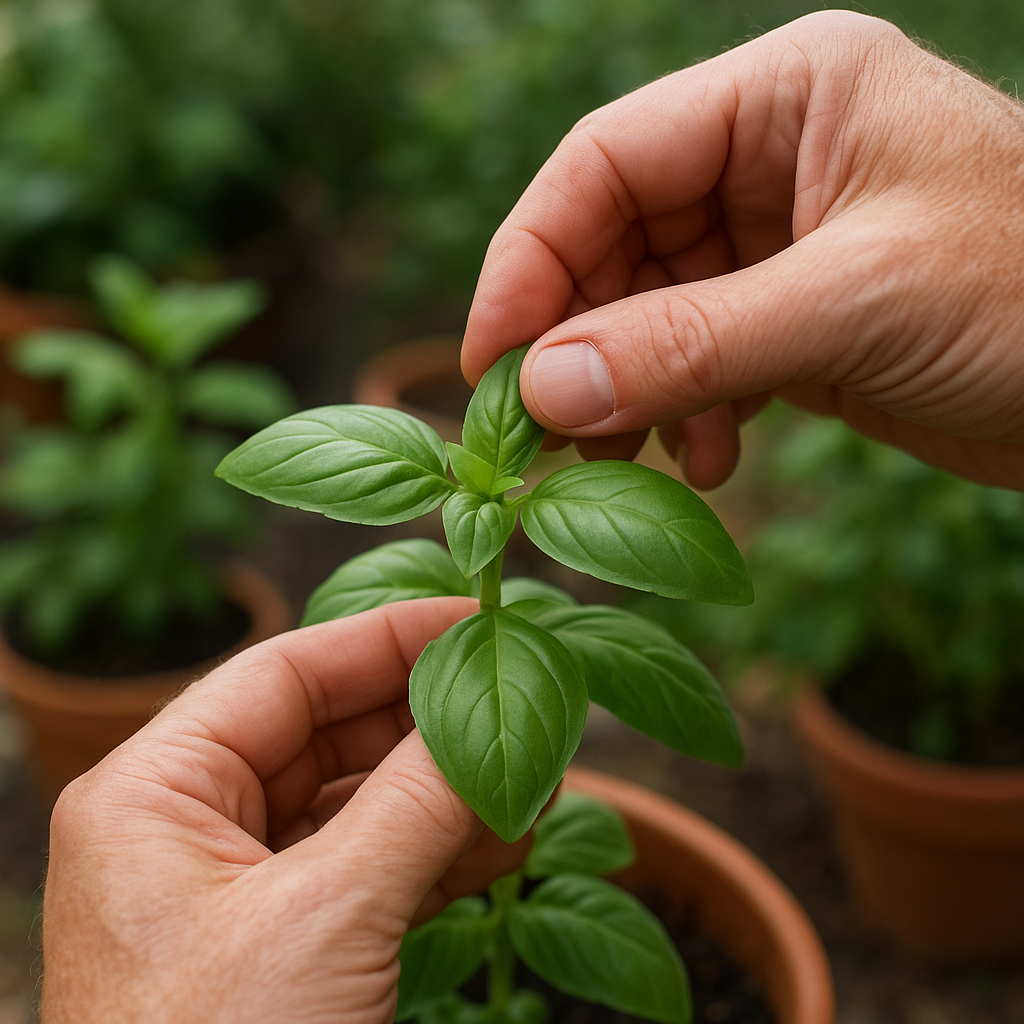
Do this early and often once the plant has several sets of true leaves. If you keep removing only the biggest outer leaves and never pinch the tips, the plant gets taller, thinner, and less productive.
The general logic is the same one covered in How to Prune Plants Without Cutting the Wrong Thing, just applied to a fast-growing edible plant.
When to Feed Basil
If your potting mix already contains nutrients, basil usually does not need much fertilizer early on. Later in the season, especially in containers that are watered often, a light feeding can help keep growth strong.
Use a balanced liquid fertilizer at a mild rate rather than trying to blast the plant into speed mode. Too much fertilizer can give you soft growth and reduce flavor.
Common Basil Problems and Fixes
Leggy growth
Usually caused by too little sun, not enough pinching, or plants packed too closely together.
Fix it by moving the pot into stronger light, trimming just above healthy leaf pairs, and avoiding overcrowding.
Yellow leaves
Usually a watering issue. Basil can yellow from soggy roots, cold stress, poor drainage, or low light.
Check the soil before assuming it needs more water.
Wilting in the afternoon
This can mean the pot is dry, but it can also be temporary heat stress. Check the soil before panic-watering. If the mix is dry and the pot feels light, water deeply.
Flowers forming too soon
Basil naturally wants to flower as it matures, especially in heat. Pinch off flower buds as soon as you see them if your goal is steady leaf production.
Once basil starts flowering hard, leaf production and flavor usually drop.
Holes, sticky leaves, or bugs
Aphids and other pests can absolutely show up on basil, especially in stressed container plants. If you see sticky residue, clusters of insects, or distorted new growth, check How to Get Rid of Aphids, Fungus Gnats, and Mealybugs.
How to Harvest Basil So It Keeps Producing
Do not strip the plant down to bare stems.
Instead:
- harvest from the top more than the bottom
- cut above leaf pairs so new branches form
- take a little at a time but do it regularly
- remove flower buds early
Frequent light harvesting usually gives you more basil over time than occasional heavy stripping.
When to Start Over
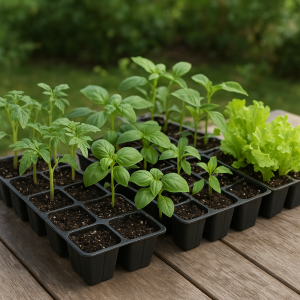
Basil is productive, but it is not immortal. If a plant is badly woody, repeatedly flowering, pest-ridden, or recovering poorly from stress, it may be faster to replace it with a fresh plant or start new seedlings.
That is normal. Part of successful herb growing is knowing when maintenance is worth it and when a reset is smarter.
FAQ
Can basil grow well in a small apartment balcony pot?
Yes, if the pot has drainage and gets enough direct sun. Light is usually the limiting factor.
Should basil be watered every day?
Not automatically. In hot weather, many containers need daily checks and some need daily watering, but the right move depends on pot size, sun, wind, and soil moisture.
Why does basil get leggy instead of bushy?
Usually because it is not getting enough direct light or the growing tips are not being pinched regularly.
Can you grow basil indoors?
Yes, but it needs strong light. A bright windowsill can work in the right exposure, though many indoor basil failures come from weak light and cool conditions.
Final Thoughts
Basil is one of the best entry-point plants for people who want something useful, edible, and genuinely productive in a small space. It also teaches a few core container-growing skills fast: light matters, watering has to be responsive, and pinching is not optional if you want a full plant.
If you want an herb that rewards small, consistent care, basil is hard to beat. Give it warmth, light, regular pinching, and steady moisture, and it will keep paying you back in handfuls.