Simple cover-and-recover steps for cold nights on patios, decks, and balconies
Container vegetables are more exposed to spring cold than plants growing in the ground. The roots are surrounded by a smaller volume of soil, the pot cools down fast, and a chilly night can hit tender seedlings harder than many gardeners expect.
If a late frost is in the forecast, the goal is not to wrap every pot like a moving box. The goal is to hold a little warmth around the plant, block wind, and uncover it before the morning sun turns that protection into trapped heat. If your plants are still in the transition stage, pair this with hardening off seedlings so they are not hit with cold and sun shock at the same time.
The short answer
- Check the overnight low and watch for frost warnings, not just a vague “cool night” forecast.
- Bring the most tender pots closer to the house, under an overhang, or into a garage if that is realistic.
- Cover outdoor containers before dark with frost cloth, row cover, or another breathable layer that does not mash the leaves.
- Secure the edges so wind cannot whip the cover into the stems.
- Remove or vent the cover in the morning once temperatures rise.
That routine handles most spring cold snaps without turning a simple protection job into plant damage.
Which potted vegetables need frost protection first
The plants that need the fastest response are warm-season crops and fresh transplants that have not fully settled in yet.
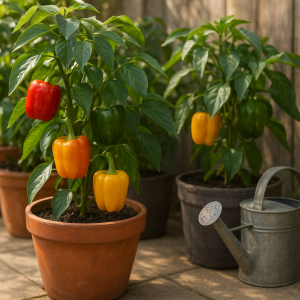
- Most tender: tomatoes, peppers, basil, cucumbers, squash, eggplant, and beans.
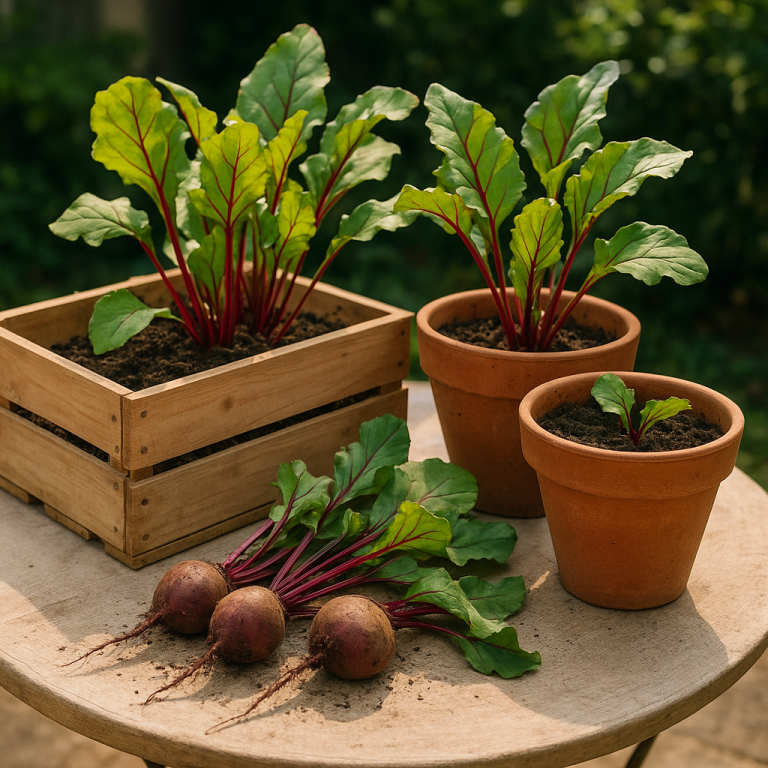
- Can handle cool weather better but still benefit from cover: lettuce, beets, chard, kale, onions, peas, and many brassicas.
- Highest-risk containers: small pots, fabric grow bags, black nursery pots, and anything sitting in open wind.
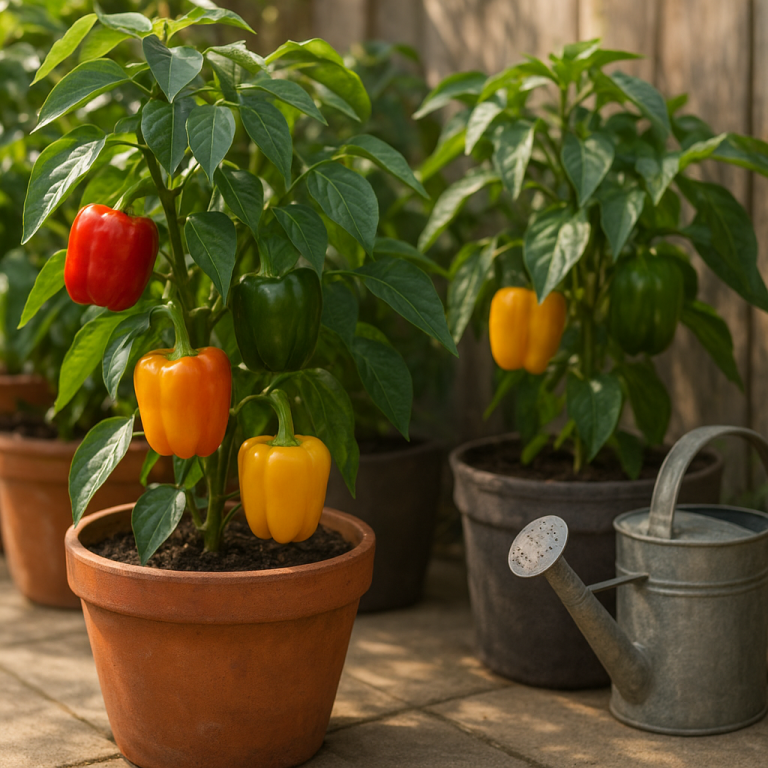
If your cold-sensitive crops are already outside full time, review crop-specific setup for tomatoes in grow bags, peppers in pots, and basil in containers. Those crops are some of the quickest to stall after a cold night.
What actually works for container frost protection
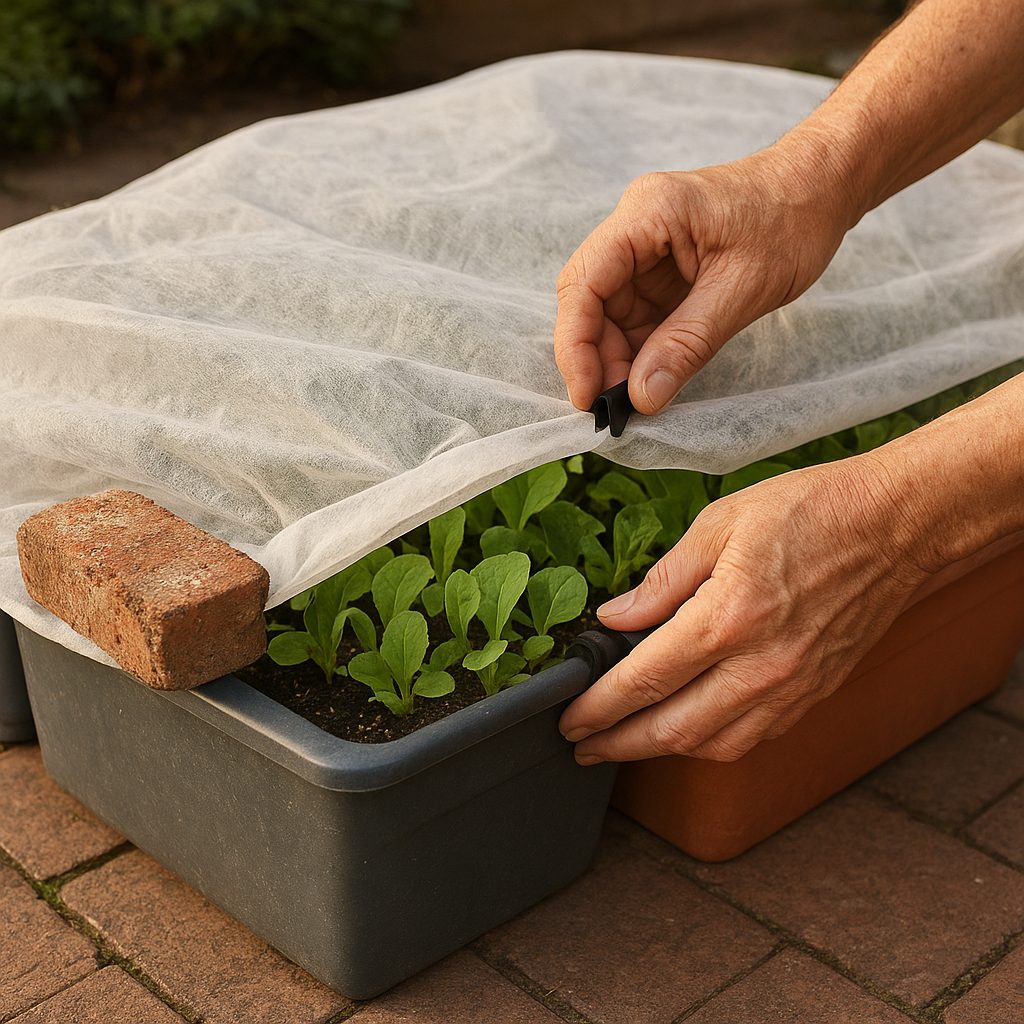
- Floating row cover or frost cloth: the most useful option for repeated spring cold snaps because it is light, breathable, and easy to remove in the morning.
- Old sheets or lightweight blankets: useful for one-off nights if you support them so they do not crush tender growth.
- Upside-down bins, totes, or buckets: helpful for individual pots overnight, but remove them early so plants do not overheat or lose too much light.
- Moving pots to shelter: often better than covering if the containers are still small enough to carry.
Avoid leaving plastic directly on the foliage. Plastic can trap too much heat after sunrise and can transfer cold to leaves if it sits right against them.
How to get pots ready before the temperature drops
- Water the containers earlier in the day if they are dry. Slightly moist potting mix holds temperature more steadily than bone-dry mix.
- Group containers together. A tight cluster loses heat more slowly than scattered single pots.
- Move them out of direct wind. A wall, railing corner, or covered porch edge can make a noticeable difference.
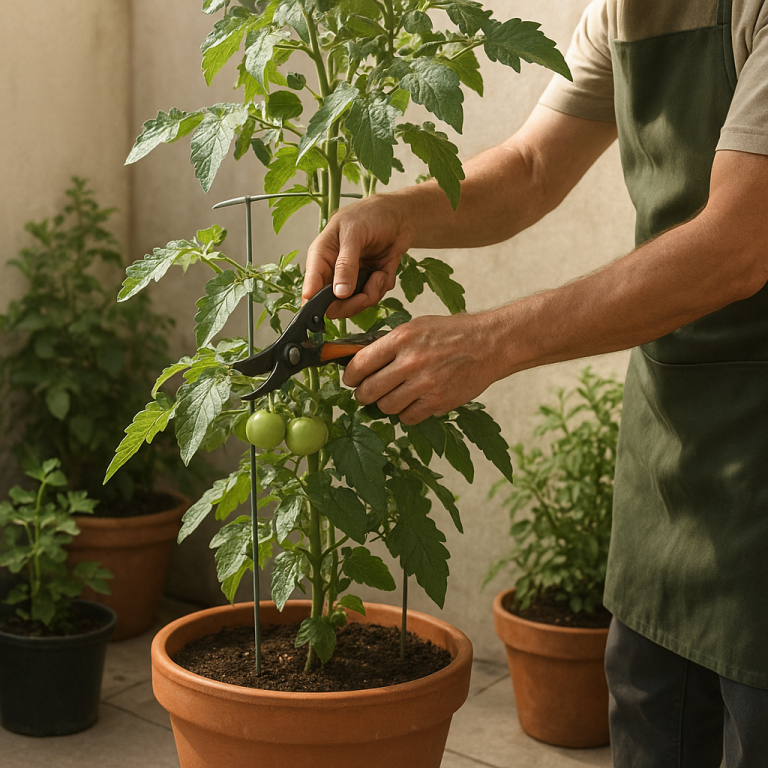
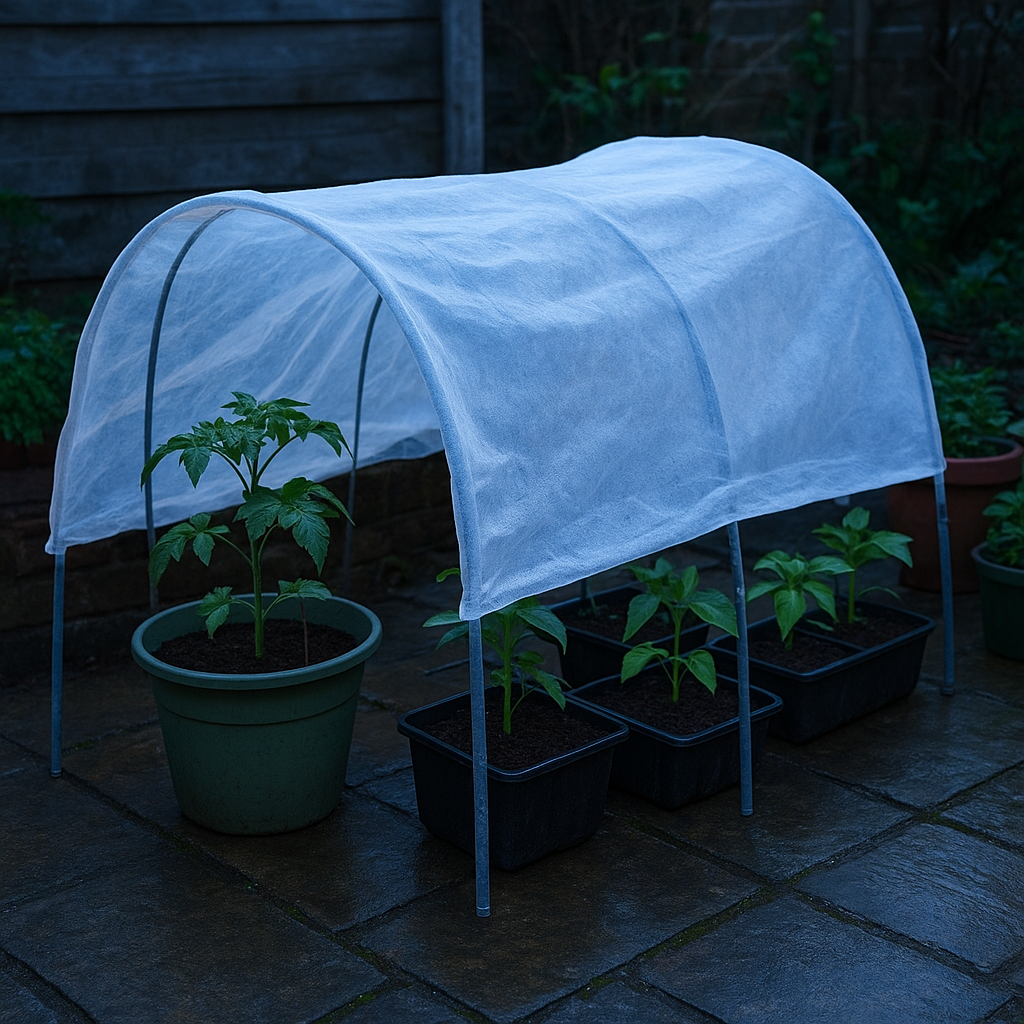
- Put supports in place before the cover goes on. Hoops, stakes, tomato cages, or simple clips help keep fabric off the leaves.
- Cover before dark. Do not wait until the coldest part of the night when everything is already losing heat.
If you are working with brand-new starts, good protection begins before the frost night itself. Transplanting seedlings carefully and keeping them steadily watered makes them less likely to collapse after a cold snap.
A simple evening routine for a frost warning
- Check which containers hold warm-season crops or tender new transplants.
- Bring the smallest or most valuable pots into shelter first.
- Cluster the remaining containers close to a wall or other windbreak.
- Drape frost cloth or row cover over hoops, cages, or stakes so there is air space around the leaves.
- Anchor the edges with clips, bricks, or boards so the fabric stays put overnight.
- Set a reminder for the morning so the plants do not stay covered longer than needed.
What to do the next morning
- Remove the cover once air temperatures rise above freezing and the sun starts warming the space.
- Vent earlier if the morning turns bright fast.
- Check leaves and growing tips before watering again.
- Wait a little before pruning or fertilizing stressed plants.
After a rough weather swing, keep moisture steady but do not drown the roots. This is where a consistent routine from watering container vegetables properly helps more than random extra watering.
Common mistakes that do more harm than the frost
- Covering too late: the plant cannot hold much warmth if you wait until the cold is already settled in.
- Using a heavy blanket with no support: snapped stems and flattened seedlings are common.
- Leaving plastic on the leaves: this can burn or chill foliage depending on the conditions.
- Forgetting the morning uncover step: bright spring sun can heat a covered pot surprisingly fast.
- Assuming patios stay warm enough: balconies, open decks, and hard surfaces often cool faster than people expect.
Troubleshooting after a cold night
The leaves look limp but not black
That often means temporary cold stress. Give the plant a mild day, keep the soil evenly moist, and wait for new growth before deciding it is lost.
The newest growth turned dark and watery
That points to real frost injury. Do not rush to cut everything back immediately. Let the damaged tissue dry, then trim only what is clearly dead once the plant begins to show what will recover.
The cover stayed on and the plants wilted after sunrise
You may be dealing with trapped heat rather than freeze damage. Move the pots into gentle light, uncover them, and let them settle before you add more water.
A tender plant looks stalled for several days
Warm-season crops can pause after a single cold night even if they survive. Keep them warm, avoid extra stress, and give them time before replacing them.
FAQ
Should you water potted vegetables before a frost?
If the mix is dry, water earlier in the day. Do not soak cold pots late at night just because frost is coming.
Can you use bed sheets to cover container plants?
Yes, if you support the fabric and secure it well. Lightweight row cover is easier for repeated use, but sheets work for occasional nights.
How cold is too cold for tomatoes and peppers in pots?
Even temperatures well above a hard freeze can stress them. If the forecast is drifting close to frost, protect them instead of testing their tolerance.
Is moving containers against the house enough?
Sometimes for a light cold snap, especially with large containers, but tender crops are safer with both shelter and a breathable cover.
The basic pattern is simple: protect early, keep the cover light and secure, and uncover as soon as the morning allows. That is usually enough to get potted vegetables through the kind of cold night that ruins unprotected plants but does not need a full rescue operation.