A Better Storage Plan for Basil, Parsley, Mint, and the Rest
Fresh herbs have a talent for looking expensive, smelling incredible, and then collapsing in the refrigerator before you have used even half the bunch. The usual failure points are simple: too much moisture, not enough airflow, the wrong temperature, or treating every herb like it behaves the same way.
The easiest way to waste fewer herbs is to split them into two groups. Tender herbs like parsley, cilantro, mint, and dill want a little moisture and a gentler setup. Woody herbs like rosemary, thyme, oregano, and sage want to stay drier. Basil is its own separate problem and usually does best out of the cold.
The short answer
- Basil: keep it at cool room temperature, not in the coldest part of the fridge.
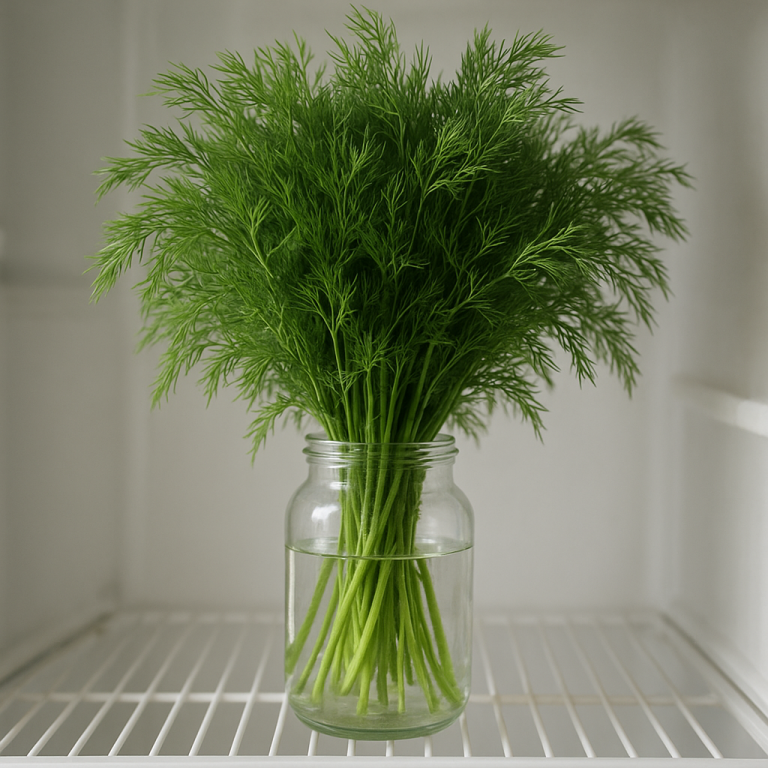
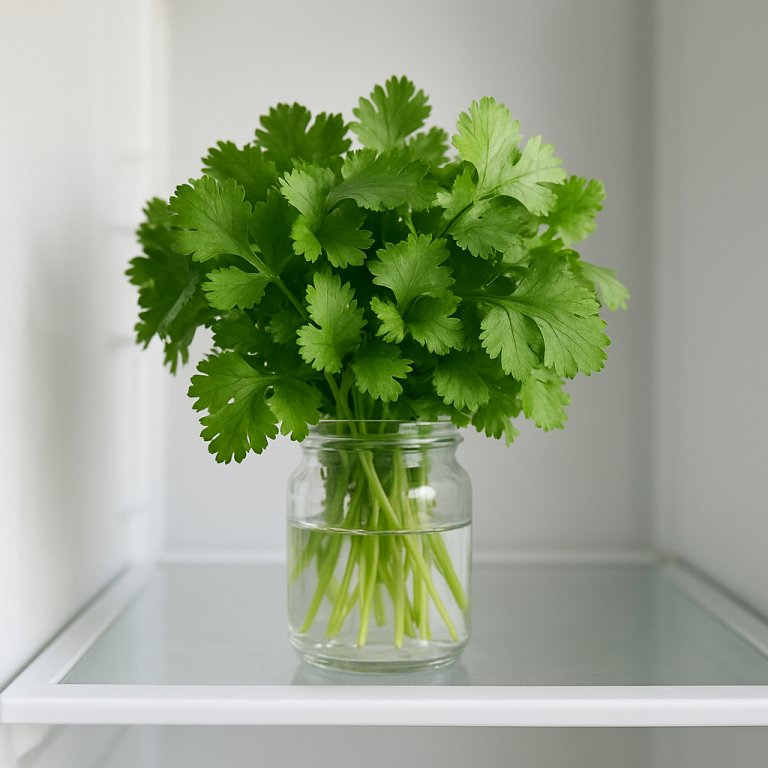
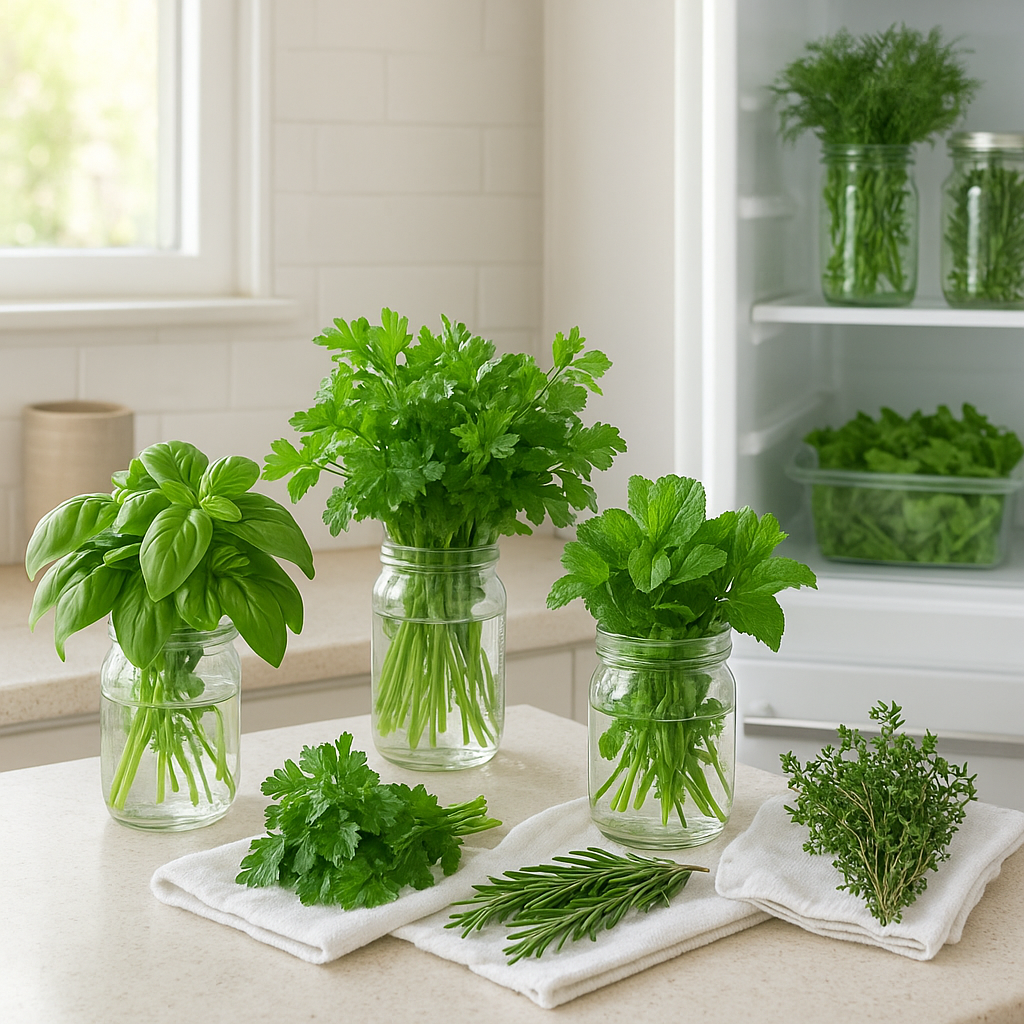
- Parsley, cilantro, mint, and dill: trim the stems, give them a little water, and loosely cover them.
- Rosemary, thyme, oregano, and sage: wrap them loosely in a dry or barely damp towel and refrigerate.
- Do not wash herbs until you are ready to use them unless they are dirty enough that you have to.
- If a bunch is too large to finish in time, freeze, dry, or turn it into something useful early instead of waiting for the slimy stage.
If you remember one rule, make it this: match the storage method to the herb instead of using one fridge trick for everything.
Why herbs go bad so fast
Fresh herbs spoil quickly because their leaves lose moisture fast, bruise easily, and trap water in all the wrong places. Too much cold can blacken basil. Too much trapped moisture can turn parsley or cilantro slimy. Too little protection dries out tender leaves until they feel like confetti instead of something you want to cook with.
If you grow your own, this gets even more relevant. A windowsill pot or balcony planter can suddenly give you more mint, basil, or thyme than one meal will handle. That is a better problem than having none, but it still needs a plan. If you are growing herbs now, the site already has guides for starting a balcony herb garden and keeping a windowsill herb garden useful indoors.
Treat tender herbs and woody herbs differently
Tender herbs
Parsley, cilantro, mint, dill, and chives have softer stems and leaves. They usually last longer when they have a little moisture available, but not so much that the leaves stay wet.
- Trim the stem ends.
- Stand the bunch in a jar with a small amount of water.
- Loosely cover the top with a bag if your fridge runs dry.
- Change the water if it looks cloudy.
- Remove any collapsed leaves before they spread the mess.
Woody herbs
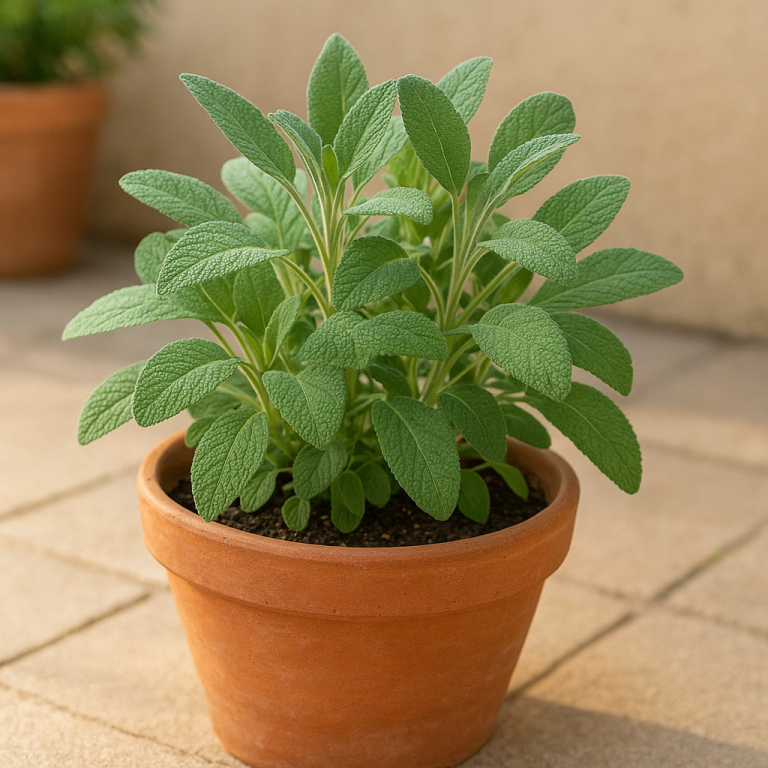
Rosemary, thyme, oregano, and sage are sturdier and usually keep better with less moisture. They do not need to sit in water like flowers.
- Wrap them loosely in a towel or paper towel.
- Keep the wrap dry or only barely damp.
- Store them in a bag or container that is not sealed too tightly.
- Keep them cold, but not crushed under heavier groceries.
This is especially useful if you are cutting from your own pots of thyme, oregano, sage, or rosemary.
Basil is the exception
Basil often hates the same fridge setup that helps parsley. It can blacken, soften, or lose its smell fast when it gets too cold. If the room is not hot enough to cook it on the counter, basil usually does better trimmed and set in a small jar of water away from direct sun, almost like a cut flower.
- Keep the leaves dry.
- Do not jam the bunch into a crowded fridge drawer.
- Use basil sooner than tougher herbs if it already looks delicate.
- If you grow your own, harvest regularly so the plant stays productive. See how to keep basil in pots full and usable.
The most reliable storage setup for common herbs
- Parsley: jar with water, lightly covered.
- Cilantro: same as parsley, but use quickly once the leaves start softening.
- Mint: jar with water, lightly covered, and keep an eye on bruised leaves.
- Dill: gentle fridge storage with a little moisture, but not a wet bundle.
- Chives: wrapped loosely in a lightly damp towel in the fridge often works better than standing them in water.
- Basil: room temperature, stem ends in a little water.
- Rosemary: fridge, loosely wrapped and mostly dry.
- Thyme and oregano: fridge, lightly protected, not wet.
- Sage: fridge, dry-leaning wrap, good airflow.
When to wash herbs
The cleanest answer is usually right before using them. Washing too early leaves extra moisture on the leaves and speeds up rot unless you dry them thoroughly. If the herbs are muddy or gritty enough that you must wash them first, spin or pat them very dry before storing.
What to do when you know you will not use them in time
The best save is the one you make before the bunch gets limp. If you can already tell you are not cooking all of it this week, move the extras into a backup plan instead of pretending future you will suddenly become a parsley machine.
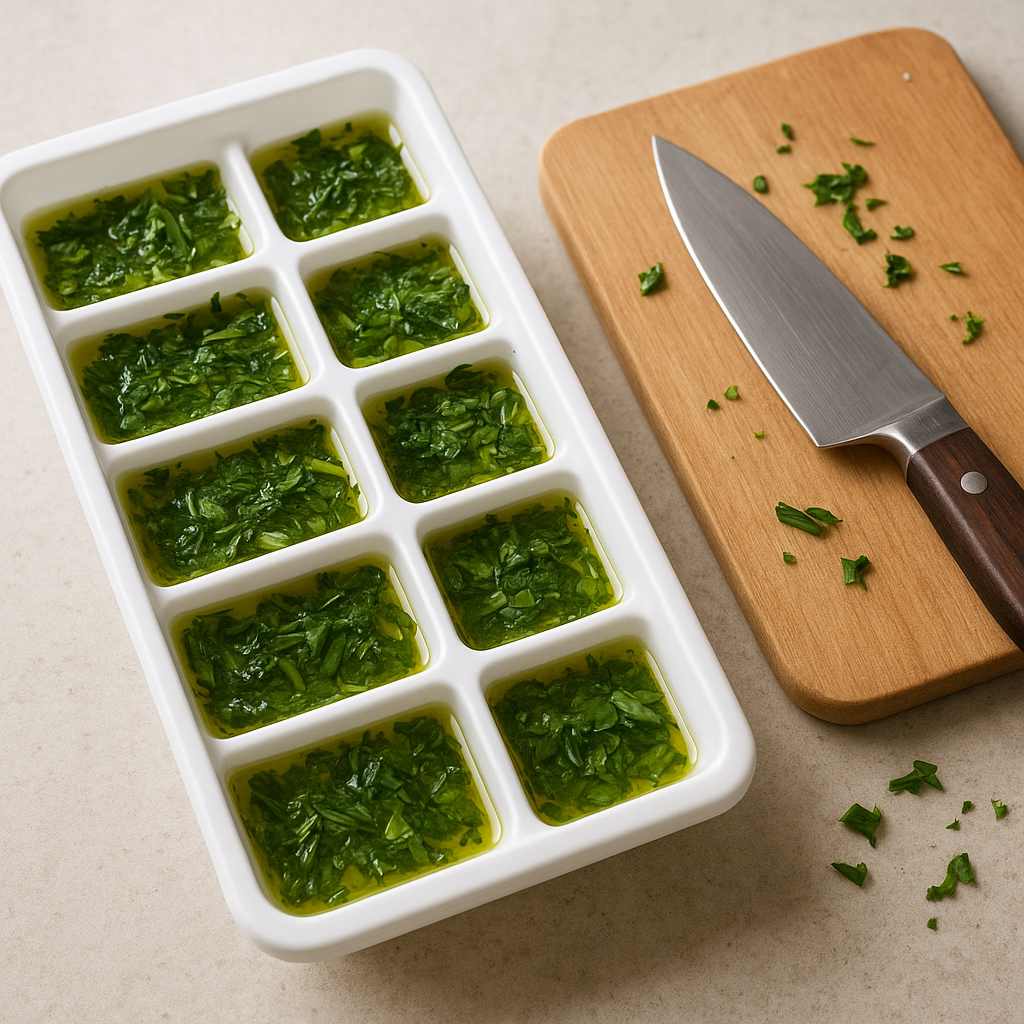
- Freeze chopped herbs in olive oil. This works well for rosemary, thyme, oregano, sage, parsley, and chives when they are headed for soups, sauces, eggs, or sautéed vegetables.
- Make herb butter. Good for parsley, chives, dill, rosemary, and thyme.
- Dry sturdy herbs. Rosemary, thyme, oregano, and sage usually dry better than basil or chives.
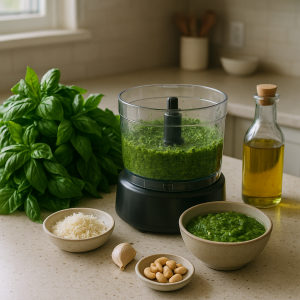
- Blend a fast herb sauce. Parsley-heavy sauces, pesto-style blends, or green dressings are better than letting a whole bunch melt in the crisper.
- Turn mint into syrup. If you have more mint than you can use fresh, the same base method from simple syrup can be adapted with mint for drinks and fruit.
Common mistakes that ruin herbs faster
Stuffing wet herbs straight into the fridge
Wet leaves in a sealed bag turn into slime quickly. Dry them properly or wait to wash them.
Treating basil like parsley
Basil is more cold-sensitive than many people expect. A fridge drawer can wreck it faster than the counter.
Sealing everything too tightly
Herbs need a little protection, but not a swamp. Too much trapped moisture speeds up rot.
Waiting too long to preserve the extras
Once herbs are halfway to slime, they are past the best moment for freezing, drying, or blending into something useful.
Troubleshooting
My parsley keeps getting slimy
There is probably too much trapped moisture. Remove damaged leaves, refresh the water, and keep the cover looser.
My basil turns black in the fridge
That is usually cold damage. Keep basil at cool room temperature instead.
Woody herbs dried out before I used them
The wrap may have been too dry or the fridge too aggressive. A barely damp towel and better protection from direct cold airflow usually helps.
I always buy too many herbs for one recipe
Plan the second use immediately. Freeze part of the bunch, make herb butter, or turn it into a sauce the same day you cook the first meal.
FAQ
Should fresh herbs go in water?
Tender herbs often do well that way. Woody herbs usually do not need it. Basil can also do well in water, but usually at room temperature instead of in the fridge.
Can you freeze fresh herbs?
Yes. Chopped herbs frozen in oil or butter are especially useful for cooking later.
What herbs should not go in the fridge?
Basil is the main one that often suffers from cold storage. Most others tolerate the fridge better if stored properly.
How long do fresh herbs usually last?
It depends on the herb and the setup, but proper storage usually buys you several more useful days and sometimes more than a week.
The useful version
Keep basil out of the cold, keep tender herbs lightly hydrated, keep woody herbs drier, and preserve the extras before they collapse. That one shift in habit saves more herbs than any expensive fridge gadget ever will.