A Productive Patio Pepper Setup for Better Heat, Better Flavor, and More Reliable Fruit Set
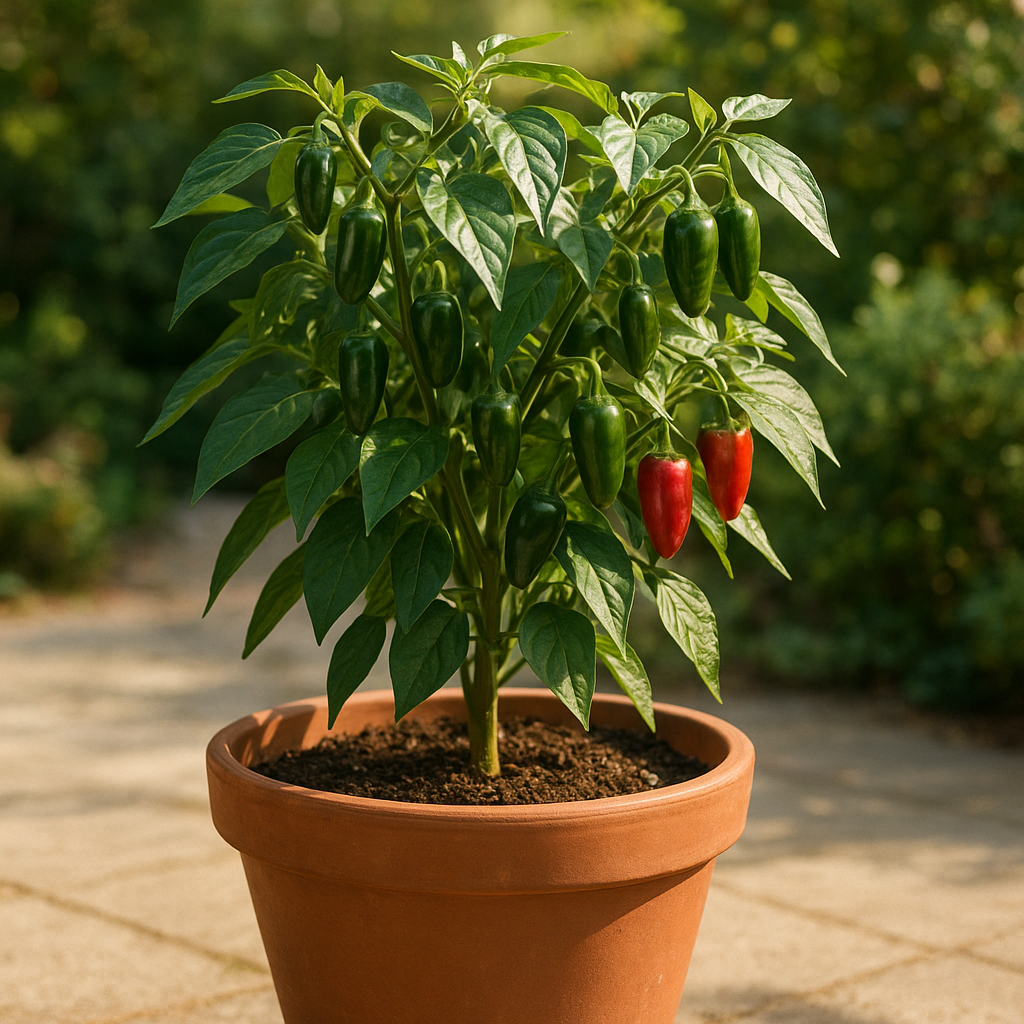
Jalapeños are one of the best peppers for containers because the plants stay manageable, produce steadily in warm weather, and give you a useful harvest whether you want fresh slices, poppers, pickled rings, or a batch of homemade hot sauce. They do not need a giant footprint, but they do need steadier care than many people expect once the weather turns hot and the plant starts flowering.
Most container jalapeño trouble comes from the same few pressure points: the plant goes outside too early, the pot is too small to stay evenly moist, or the grower mistakes every mark on the fruit for a disaster. If you keep the root zone warm, give the plant enough room, and harvest at the right stage, jalapeños are much easier than their drama suggests.
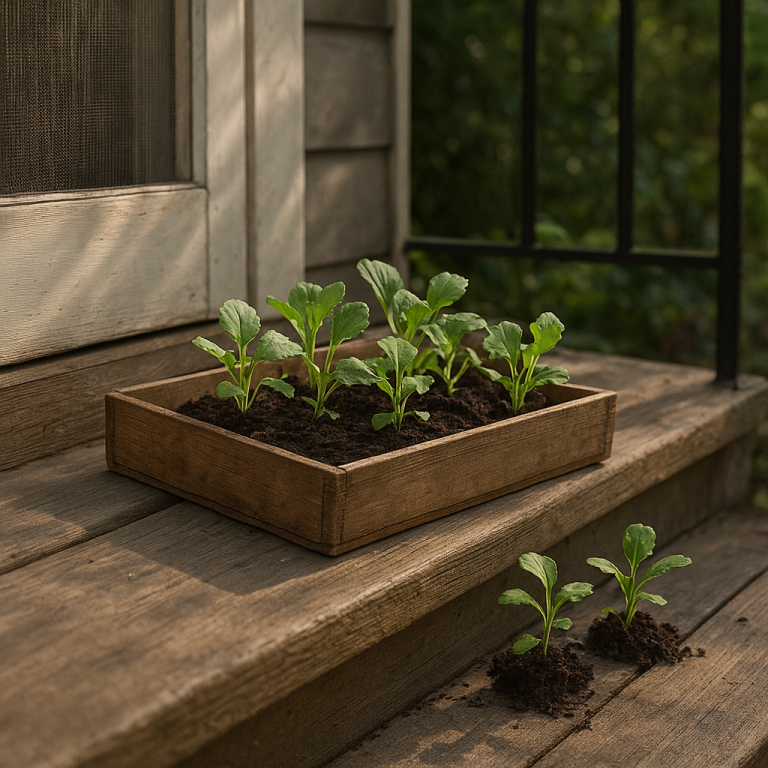
If you are raising your own transplants, move them outdoors carefully. This guide on hardening off seedlings will help you avoid the slow, sulky start that peppers often get after a rough transition.
The short answer
- Grow one jalapeño plant per container in a pot that holds at least 5 gallons.
- Wait until frost is past and nights are consistently mild before leaving the plant outdoors full time.
- Use fresh potting mix, full sun, and a site with good airflow.
- Water deeply whenever the root zone starts drying, but do not let the pot swing from bone dry to drenched.
- Feed steadily instead of chasing growth with heavy nitrogen.
- Harvest often once the peppers reach usable size and glossy color.
That basic setup prevents most of the problems people blame on jalapeños themselves.
Why jalapeños do so well in pots
Not every pepper rewards container growing equally. Jalapeños are a strong fit because the plants are usually compact enough for patios and balconies, but still productive enough to justify the space.
- Manageable plant size: easier to support than many large-fruited peppers.
- Frequent harvest potential: one healthy plant can produce over a long stretch instead of all at once.
- Useful at multiple stages: you can pick them green for brighter heat or let some ripen red for a slightly sweeter, fuller flavor.
- Good kitchen payoff: a few plants can cover a lot of everyday cooking.
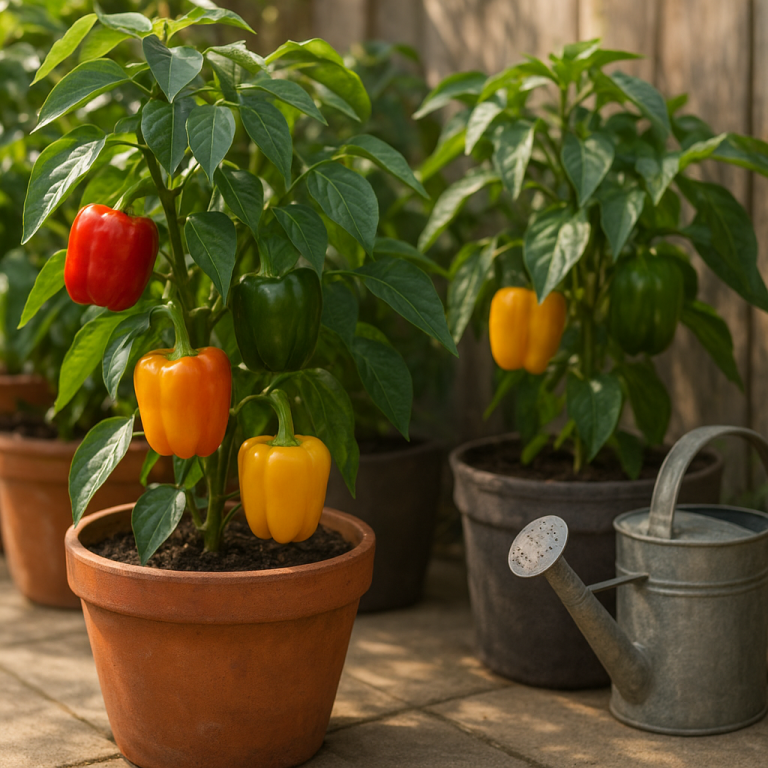
If you want the broader container logic for peppers in general, this guide on growing peppers in pots covers the bigger picture. Jalapeños just benefit from a few crop-specific adjustments.
Choose a container that can hold steady moisture
Jalapeños can survive in small decorative pots, but survival is not the goal. A cramped container heats up fast, dries too hard, and forces the plant into repeated stress just when it should be flowering and setting fruit.
- Minimum: 5 gallons for one plant.
- Better: 7 gallons if your patio runs hot or windy.
- Best shape: a pot wide enough to stay stable once the plant is loaded with peppers.
- Non-negotiable: drainage holes that let excess water escape cleanly.
Use one plant per pot. Crowding two pepper plants into the same container usually creates more watering trouble than extra harvest.
Use fresh potting mix instead of garden soil
Container peppers need a mix that drains well but still holds enough moisture between waterings. Heavy soil from the yard compacts in pots, slows the roots down, and makes it much easier to overwater the plant.
- Use a quality potting mix made for containers.
- Mix in a little compost if you want a broader nutrient buffer.
- Leave some headspace at the top so water can soak in instead of running off.
- Add a light mulch layer after planting to slow moisture loss.
If you are growing several summer vegetables at once, this guide on fertilizing vegetables in pots helps keep the whole setup productive without overdoing it.
Do not move jalapeños outside too early
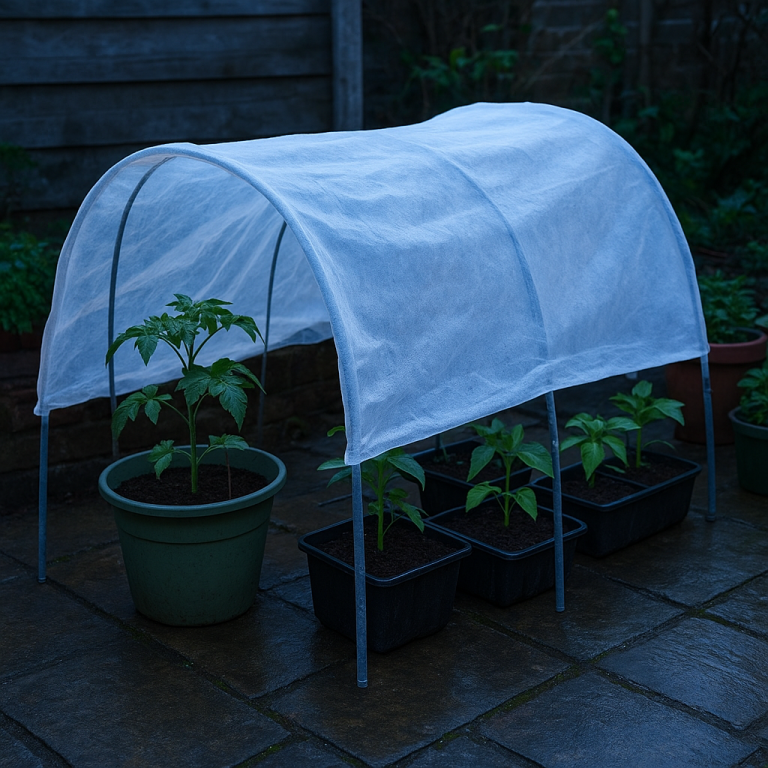
Jalapeños are warm-season plants. A string of cool nights can leave them stalled for weeks, even if the afternoons look pleasant. Many slow, undersized pepper plants are simply early transplants that never got the warm start they needed.
- Aim for: full sun and settled weather after frost danger has passed.
- Be cautious with: cold spring nights, exposed balconies, and windy corners.
- Remember: peppers care more about overnight conditions than one encouraging warm afternoon.
If your plant sits still after transplanting, do not assume it needs more fertilizer. Temperature often explains more than nutrition in the early stage.
Water for consistency, not rescue mode
Blossom drop, corky fruit, stunted growth, and poor heat level can all get worse when the plant keeps cycling between dusty-dry and soaked. Jalapeños do best when the root zone stays evenly moist, not swampy and not forgotten.
- Water slowly until excess drains from the bottom.
- Check the pot often once temperatures rise and the plant is flowering.
- Do not judge only by the surface because the top can look damp while the lower root zone is already drying out.
- Mulch helps, but it does not replace regular checks in hot weather.
When your containers start drying faster than expected, this guide on watering container plants in hot weather is the better framework than guessing from wilt alone.
Feed enough for steady fruiting
Jalapeños need nutrition, but they react badly to the more-is-better approach. Too much nitrogen gives you a handsome green plant that delays flowering and spends more energy on leaves than peppers.
- Start with fresh potting mix instead of trying to rescue tired mix with heavy feeding.
- Use a balanced fertilizer at label rate once the plant is established.
- If the plant is lush and dark green but slow to fruit, feeding harder is usually the wrong move.
- Steady, moderate support works better than dramatic boosts.
For a long-season crop in a container, consistent care usually beats strong products and sudden corrections.
Support the plant before the branches sag
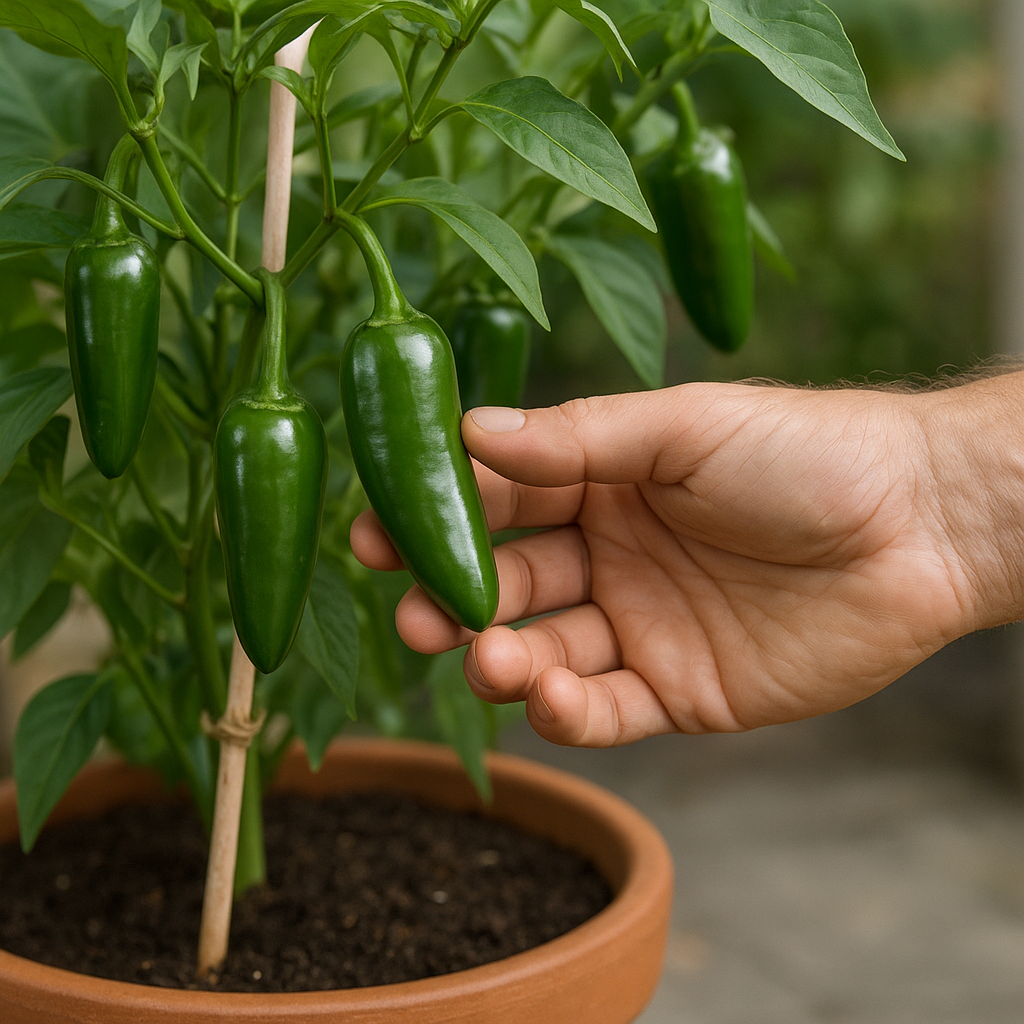
Jalapeño plants are often compact, but a productive one can still lean outward once the fruit count rises. A simple stake, ring, or small cage added early keeps the plant upright and makes the harvest easier.
You do not need hard pruning. Remove damaged leaves, badly crowded inner growth, or anything rubbing and breaking, but focus more on support and airflow than shaping the plant into something fancy.
What corking on jalapeños actually means
Corking is the tan, dry, stretch-mark-like cracking that sometimes appears on jalapeño skin. It looks alarming if you have never seen it before, but it is usually normal. Many people even prefer corked jalapeños because the marks often show up on mature peppers with good flavor and stronger heat.
- Normal corking: thin tan lines or webbing on otherwise healthy fruit.
- Less normal signs: soft spots, sunken patches, mold, or wet decay.
- What increases corking: maturity, active growth, and some natural skin stretching as the fruit develops.
Do not confuse corking with rot. A firm pepper with dry corky lines is usually fine to harvest and eat.
When to harvest jalapeños
You can harvest jalapeños green once they are full size, firm, and glossy. If you leave some on the plant longer, they will usually turn red and gain a slightly sweeter, fuller flavor while still keeping noticeable heat.
- Pick green for classic fresh jalapeño flavor and a steady harvest rhythm.
- Let some ripen red if you want a richer flavor for sauces or drying.
- Use pruners or scissors if the stems feel tough.
- Harvest often so the plant keeps pushing new flowers and fruit.
One of the easiest ways to keep a container pepper productive is to stop treating harvest like a once-a-month event.
Common jalapeño problems in pots and the fastest fixes
Flowers keep dropping
This usually points to stress rather than disease. Cool nights, dry swings, sudden heat, and rough wind can all interrupt fruit set. Better warmth and steadier moisture fix more than most sprays do.
The plant looks healthy but is making very few peppers
Check temperature, fertilizer, and harvest habit first. A plant that is too cool or too heavily fed may stay leafy without fruiting well.
Fruit has pale, papery patches
That is more likely sunscald than corking. Sunscald creates bleached or papery areas where fruit was exposed too directly during harsh heat.
Leaves are sticky, curled, or crowded with tiny bugs
Aphids often go after tender pepper growth. This guide on getting rid of aphids, fungus gnats, and mealybugs covers the cleanest way to act before the problem spreads.
The plant stopped growing after transplanting
Peppers hate a rough move. If the weather stayed cool or the roots were disturbed, the plant may simply be stalled. Once warmth settles in, growth often resumes.
Quick FAQ
Can jalapeños grow well in pots?
Yes. They are one of the better peppers for containers because the plants stay manageable and can produce heavily in a modest footprint.
How big should a pot be for one jalapeño plant?
A 5-gallon container is a solid minimum, and a 7-gallon pot is more forgiving in hot or windy weather.
Should jalapeños be harvested green or red?
Either works. Green jalapeños are the standard harvest stage, while red jalapeños are usually a little sweeter and more mature in flavor.
Is corking on jalapeños bad?
No. Dry tan lines on firm fruit are usually normal corking, not spoilage.
The short version
Grow jalapeños in a warm, sunny spot with one plant per roomy container, fresh potting mix, consistent watering, and moderate feeding. Support the plant early, do not rush it into cool weather, and harvest peppers regularly once they size up. That is what turns a patio jalapeño from a stressed ornament into a steady, useful crop.