A Better Way to Keep Thin Herb Stems Snappy Instead of Crushed, Wet, and Forgotten
Chives look low-maintenance, but they spoil faster than a lot of people expect. The blades are thin, tender, and easy to bruise. One damp produce bag, one crowded crisper drawer, or one bunch shoved behind the yogurt, and they can turn flattened, weepy, and oniony in the wrong way before you have used more than a spoonful.
If you want fresh chives for eggs, potatoes, soups, cottage cheese, salads, or a quick finish on dinner later in the week, the goal is not to baby them in water like a bouquet. It is to keep them cool, dry-leaning, and protected from getting bent and wet.
The short answer
- Remove any tight band or packaging as soon as you bring chives home.
- Do not wash them before storage unless you absolutely have to.
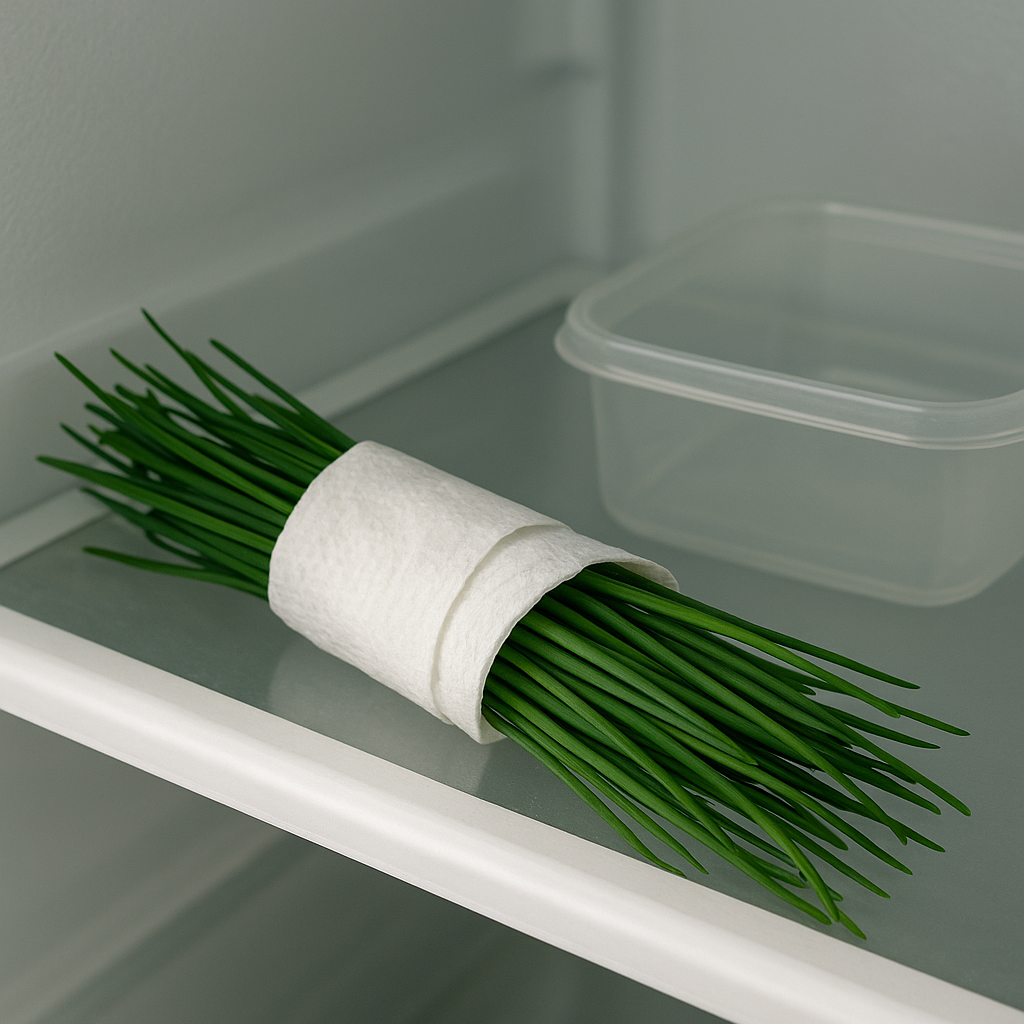
- Wrap the bunch loosely in a dry paper towel or clean dry towel.
- Slide it into an unsealed bag or a container with a little airflow.
- Keep it in the refrigerator where heavier groceries will not crush it.
- If you know you will not use the whole bunch in time, freeze some while it is still bright and dry.
Fresh chives keep best when they stay dry, straight enough to avoid bruising, and out of the soggy little climate that turns herbs slick.
Why chives go bad so quickly
Chives are all leaf. There is no sturdy stem bundle to protect them the way parsley or cilantro has, and there are no thick leaves to buy time the way rosemary or sage can. That means they lose moisture fast, but they also collapse quickly when trapped moisture gets around them.
The most common mistake is assuming they store like green onions. Chives are much thinner and far easier to flatten. Another common mistake is washing them, tossing them back into the bag, and promising yourself you will use them tomorrow. Tomorrow is often when the bag starts feeling damp and the blades start sticking together.
If your chives are coming from your own containers rather than the store, they are often even more tender right after cutting. That is one reason growing chives in pots well pays off in the kitchen so quickly. A healthy clump gives you better flavor, but it also gives you more chives than most meals need at once.
The most reliable way to store a fresh bunch
- Take off the packaging. Remove rubber bands, twist ties, or any sleeve that is pressing moisture against the blades.
- Check for damaged pieces. Pull out any blades that are yellowing, split, or already slippery.
- Keep the bunch unwashed if possible. If there is obvious grit, brush it off now and save the real washing for right before cooking.
- Wrap it loosely in something dry. A dry paper towel works well because it cushions the blades and catches stray moisture without making the bunch sweaty.
- Use a loose container. Slide the wrapped bunch into an open or lightly closed bag, or set it in a container with the lid not fully sealed.
- Store it where it will not get flattened. The top of the crisper or a protected shelf usually works better than the bottom of a crowded drawer.
The point is not airtight freshness theater. The point is gentle protection with less trapped moisture.
Should you store chives in water?
Usually no. Chives are not sturdy enough to benefit from the jar method the way some thicker-stemmed herbs do. The lower ends can sit in water, but the blades tend to bend, trap moisture, and deteriorate faster if the setup is not just right.
If the bunch came with a substantial white base attached and still feels very firm, you can sometimes stand it in a little water for a day or two. For typical fresh chives, though, a dry wrap is the more reliable move.
What to do with freshly cut garden chives
Homegrown chives often arrive warmer and more fragile than store-bought bunches because you cut them in the sun and bring them straight inside. Let them cool down first, then pat away any visible moisture before storing them.
If your patch is producing faster than you can use it, there are two especially practical follow-ups. The blossoms can become chive blossom vinegar, and the green blades are excellent in herb butter when you want something freezer-friendly and easy to keep using.
How to tell whether the bunch is still worth keeping
- Still good: bright green color, clean oniony smell, blades that separate easily, no slime
- Use soon: slightly softened tips, minor bending, a little dryness at the ends
- Past it: slippery spots, dark wet patches, sour smell, blades matted into a damp clump
A few tired tips are not a disaster. Widespread slickness is.
When freezing makes more sense
Chives are one of those herbs people buy or cut for one meal and then use only in tiny pinches. If that sounds familiar, freezing part of the bunch on day one is smarter than pretending you are about to make six baked potatoes in a week.
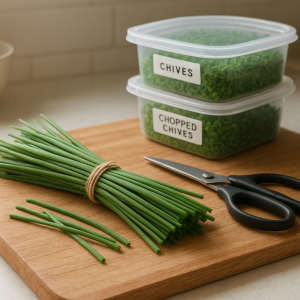
Wash only if needed, dry very thoroughly, then slice or snip the chives and freeze them in a small container or bag. They will lose the delicate fresh texture, but they still work well in scrambled eggs, soups, sauces, potato dishes, and compound butter.
Freezing is especially useful if your broader problem is not just chives but extra herbs in general. In that case, a better fresh-herb storage routine helps on the front end, and herb butter helps with the overflow.
Best ways to use a bunch this week
- snip them over scrambled or fried eggs
- stir them into sour cream or yogurt for a quick sauce
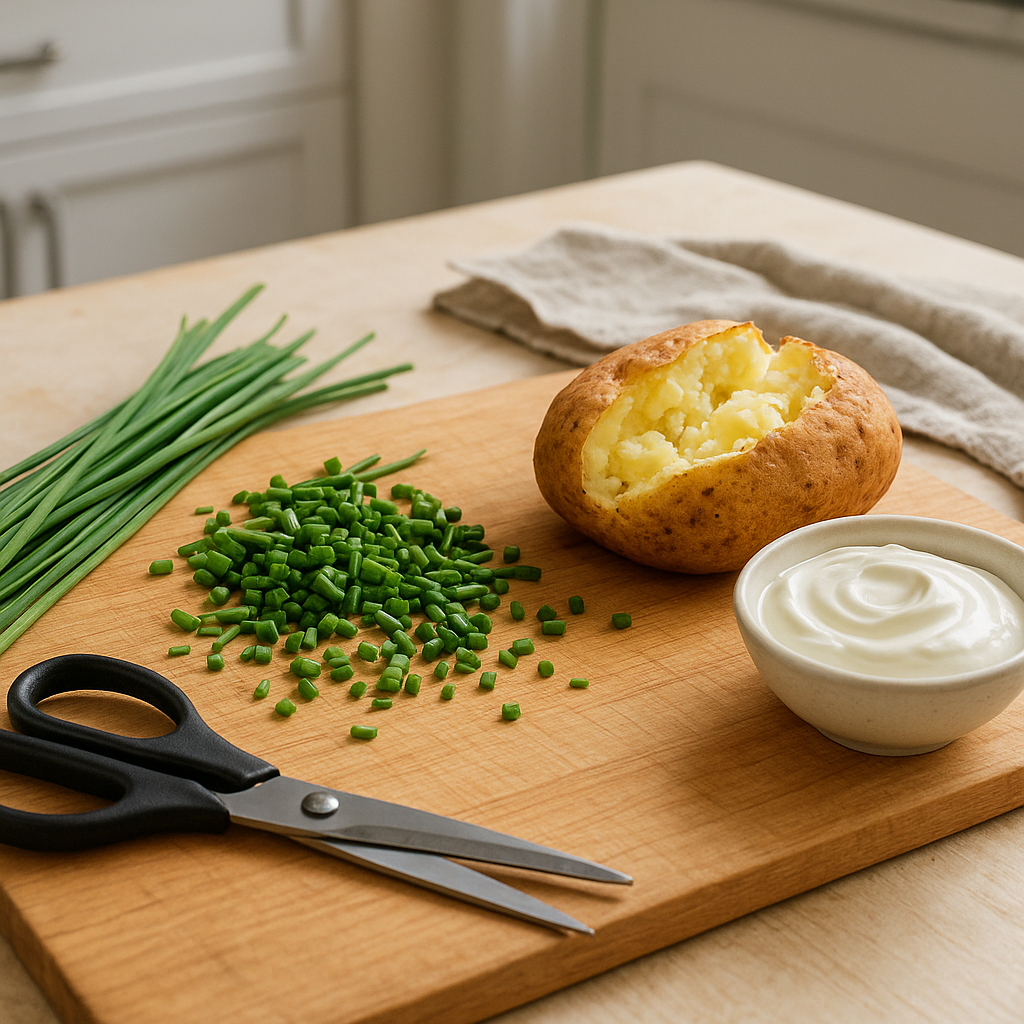
- finish baked potatoes or mashed potatoes with them
- fold them into softened butter with a little lemon or black pepper
- add them at the end of soups so the flavor stays fresh
- scatter them over salmon, rice, or roasted vegetables right before serving
Common mistakes
Leaving them in a wet bag
Moisture trapped against thin blades is the fastest route to slime.
Washing before storage and not drying thoroughly
Even a little leftover water can shorten the life of the bunch.
Packing them under heavier groceries
Once the blades are crushed, they break down much faster.
Keeping them too long for a perfect use
Chives are best when treated like a flexible finishing herb, not a special-occasion ingredient.
Troubleshooting
My chives turned slick in two days
They were probably stored too wet or too tightly sealed. Remove the damaged portion, dry what is still usable, and reset the rest in a fresh dry wrap.
The tips dried out but the rest looks fine
Trim the dry ends and use the bunch soon. Slight drying is much easier to work around than slime.
They smell too strong in the fridge
The wrap may be too damp or the bunch may be starting to break down. Check for wet patches and move the usable portion into a cleaner, drier setup.
I only need a tablespoon at a time
Split the bunch when you get home. Keep part fresh for the next few days and freeze the rest while it is still in good shape.
FAQ
How long do fresh chives last in the fridge?
It depends on how fresh they were to begin with and how dry you keep them, but they are best used while still bright, dry, and fragrant rather than pushed to the limit.
Can you freeze fresh chives?
Yes. Frozen chives are best for cooked dishes and mixed preparations rather than as a delicate garnish.
Should you wash chives before storing them?
Usually no. Wash them right before using them unless they are dirty enough that you must deal with it immediately.
Can you store chives like green onions?
Not really. Chives are more delicate and usually do better in a drier, more lightly wrapped setup.
The useful version
Fresh chives keep longer when you stop treating them like a sturdy bunch of scallions and start treating them like the thin, bruise-prone herb they are. Keep them dry, keep them lightly protected, freeze part of the bunch early if needed, and they become much easier to use up while they still taste alive.