A Better Fate for the Half-Used Herb Bunch
Parsley usually gets bought or cut for one specific meal, then left behind in the refrigerator with most of the bunch still intact. A few sprigs go into soup, salad, or eggs, and the rest slowly flattens, darkens, or turns slick before you circle back to it.
Freezing parsley works best when you stop treating it like a future garnish and start treating it like a ready-to-cook ingredient. If you freeze it in small portions while it is still dry and fragrant, you can pull out exactly what you need for rice, beans, soups, sauces, eggs, and skillet dinners without having to rescue another limp bunch later.
The short answer
- Freeze parsley while it is still bright, dry, and lively, not after it starts collapsing.
- Dry it thoroughly before freezing so it does not clump into icy sludge.
- For the most flexible result, chop it and freeze it flat in a thin layer.
- For soup and sauce cooking, olive-oil parsley cubes are useful too.
- Use frozen parsley in cooked dishes, not where you need a crisp fresh garnish.
If the bunch is already on its way out, freezing can still save some flavor, but the best texture and easiest portioning come from doing it early.
Why parsley freezes better than people expect
Parsley is tender, but it holds onto flavor surprisingly well in the freezer. What it loses is snap. Once thawed, it will not give you the clean, fluffy look you want for finishing a salad or scattering over a platter at the table. What it still does well is disappear into hot food and make it taste fresher.
That makes freezing especially practical if you grow your own. A pot can suddenly give you more parsley than one week of cooking needs, especially after a flush of spring growth. If you are still on the growing side of the problem, see how to grow parsley in pots without yellow leaves, slow germination, or weak stems. If your bunch is still in good shape and you just need a few more days, start with a better fresh-herb storage setup.
The best method for everyday cooking
- Start with dry parsley. Wash only if it needs it, then dry it very well. A salad spinner plus a towel is much better than wishful dripping.
- Remove the thickest lower stems. Tender upper stems are fine to keep because they carry good flavor.
- Chop it to the size you actually cook with. Think spoonable flecks, not giant leaves.
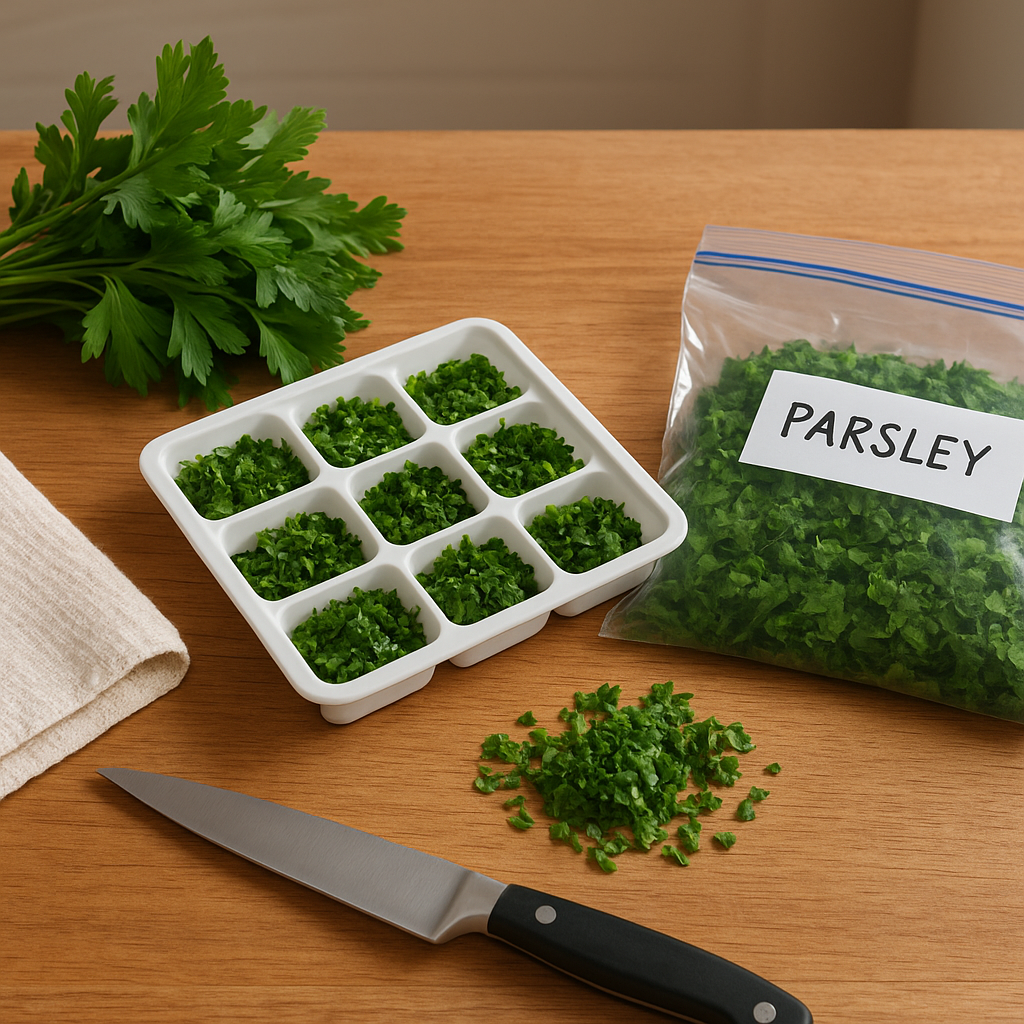
- Pack it loosely in a freezer bag or small container. Press it into a thin, even layer so you can break off or scoop small amounts later.
- Freeze it fast. Lay the bag flat until solid, then keep it frozen and sealed.
This method is the most convenient if you want to grab a little parsley for scrambled eggs, lentils, tomato sauce, pan sauces, rice, or quick soups without thawing a whole block.
When olive-oil cubes make more sense
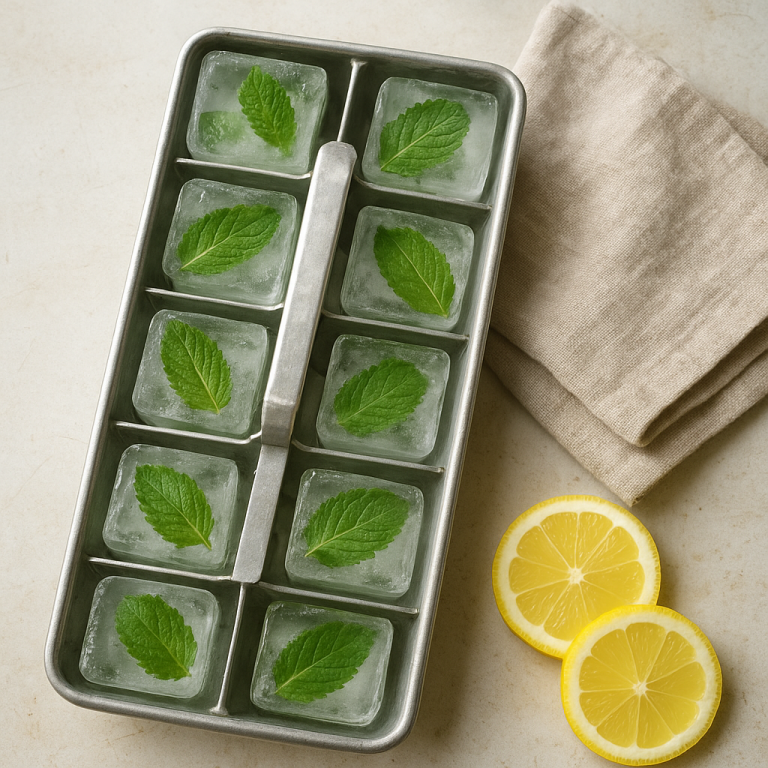
If you mostly use parsley in cooked dishes where a little oil is welcome anyway, freezing it in olive oil works well. Chop the parsley, spoon it into an ice cube tray or small silicone mold, add enough olive oil to lightly coat it, and freeze until solid. Then move the cubes to a freezer bag.
Use that method for sautés, soups, beans, and pan sauces. Skip it if you want the cleanest possible portion control or if you do not want to add oil to every use.
What frozen parsley is actually good for
- stirring into rice right after cooking, especially after a proper pot of rice
- finishing white beans, lentils, and chickpeas
- folding into scrambled eggs or omelets
- adding to tomato sauce, soup, or braised vegetables near the end
- mixing into butter, yogurt sauce, or quick garlic oil
- adding to fish or chicken right before serving, including oven salmon
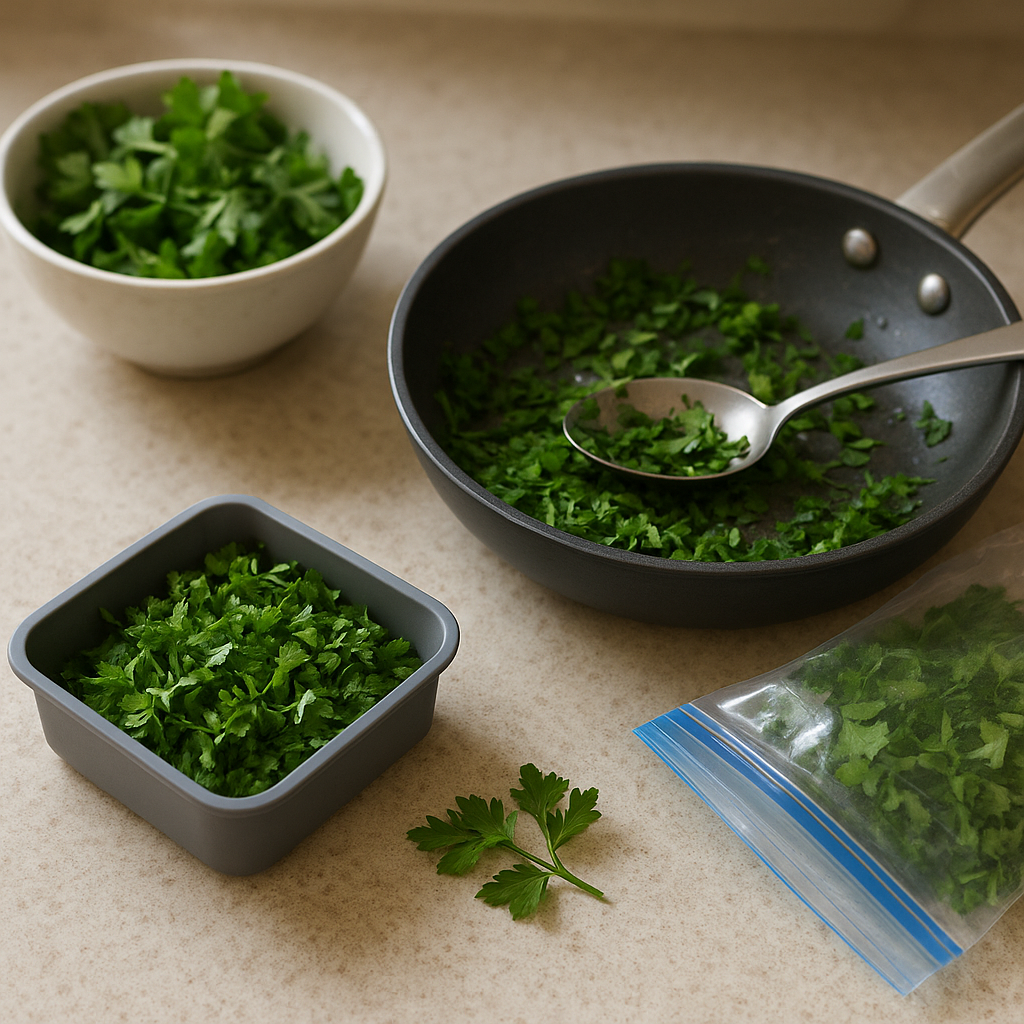
If you have a truly oversized bunch, freezing does not have to be the only answer. A fresh batch of parsley chimichurri uses a real amount at once, and herb butter is a better backup if you want something richer and more freezer-ready.
How long it keeps and how to avoid freezer regret
Frozen parsley is best while it still smells vivid when you open the bag. Over time it can pick up stale freezer notes or lose punch, especially if it is loosely packed or exposed to air. Small, well-sealed portions hold up better than one giant half-empty bag you keep opening.
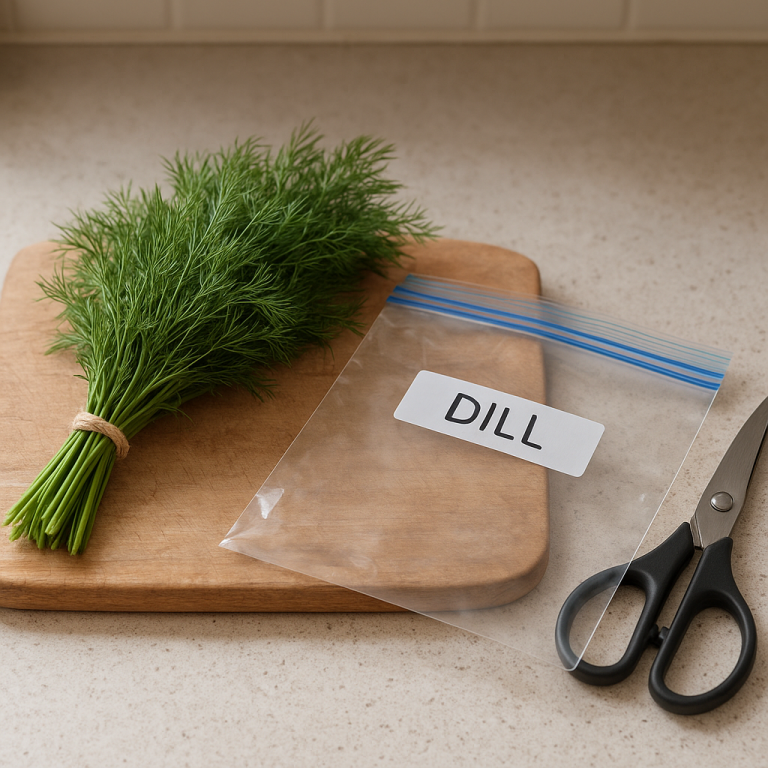
Labeling helps more than people expect. Parsley, cilantro, and dill all look like anonymous green confetti once frozen.
Common mistakes
Freezing it wet
Wet parsley freezes into clumps and frosty sheets that are annoying to portion and duller in flavor.
Freezing the whole bunch with no plan
A giant frozen wad is technically preserved, but it is much less likely to get used.
Saving it for garnish jobs
Frozen parsley belongs in cooking, not in places where texture and crispness matter.
Waiting until the bunch is already slimy
Freezing stops time, but it does not reverse spoilage. Start while the bunch still smells fresh.
Troubleshooting
My parsley froze into one hard brick
Next time spread it thinner before freezing. For the current batch, let it sit at room temperature for a minute or two just long enough to break off what you need.
It tastes dull after thawing
Use a little more than you would with fresh parsley and add it late in cooking so the flavor stays brighter.
I only need a teaspoon at a time
Freeze a very shallow flat bag or use tiny molds so you can pop out smaller portions.
Can you freeze the stems too?
Tender upper stems are worth keeping. Thick, fibrous lower stems are better left out.
FAQ
Can you freeze parsley without blanching it?
Yes. For everyday home cooking, drying it well and freezing it in small portions is usually enough.
Is flat-leaf parsley better than curly parsley for freezing?
Both freeze, but flat-leaf parsley is usually easier to chop and easier to use in cooked dishes.
Can you use frozen parsley in chimichurri?
Not for the best result. Chimichurri is better with fresh parsley because texture matters there.
Can you freeze parsley in oil?
Yes. It is especially useful for soups, beans, sauces, and skillet cooking.
The useful version
Freezing parsley is less about preservation for its own sake and more about making the bunch easier to use in ordinary meals. Dry it well, freeze it in small portions, and it becomes a practical shortcut instead of another half-finished herb bundle fading in the back of the fridge.