The Freezer Method That Keeps Basil Useful
Basil goes downhill faster than most people expect. One day it smells sharp and sweet, and the next it is bruised, black-edged, or slumped into the corner of the refrigerator drawer. Freezing can save a lot of that flavor, but only if you stop expecting thawed basil to behave like fresh garnish basil.
The best frozen basil is basil you plan to cook with. Think pasta sauce, soup, beans, eggs, tomato dishes, and quick pan sauces. If you freeze it in the right form while the leaves are still bright and dry, you can keep that fresh basil flavor around without pretending you are going to use the whole bunch this week.
The short answer
- Freeze basil while it is still fragrant and mostly unbruised.
- Use plain frozen leaves for soups, sauces, and blended dishes.
- Use basil-and-oil cubes when you want easy portions for cooking.
- Do not expect frozen basil to work like fresh garnish basil after thawing.
- If the basil is still in good shape and you only need a few more days, start with a better fresh-herb storage setup.
If you are staring at more basil than you can use before it bruises, freezing it now is a better move than waiting until it has already gone limp.
Why basil needs a different freezing plan than parsley or chives
Basil is softer, wetter, and more bruise-prone than sturdier herbs. It darkens quickly, hates rough handling, and turns limp once thawed. That does not make freezing a bad idea. It just means the goal is flavor preservation, not perfect texture.
If your real problem is a huge basil surplus, turning part of it into pesto is still one of the smartest kitchen moves. If you want the leaves themselves available for future cooking, freezing fills a different slot.
The two methods worth using
1. Freeze whole or torn leaves for cooked dishes
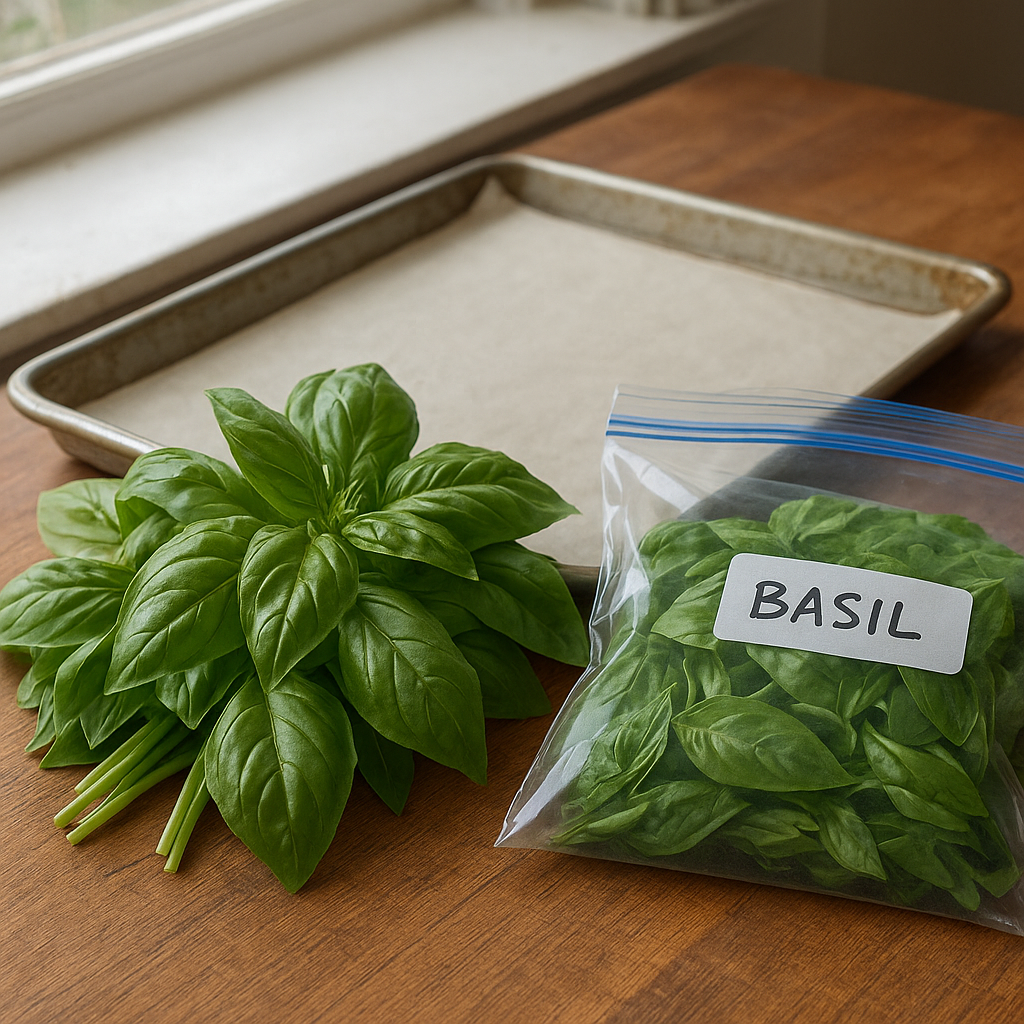
This is the simplest method. Wash the basil only if it needs it, dry it very well, remove any black or slimy leaves, and spread the good leaves in a single layer on a parchment-lined tray. Freeze until firm, then move them to a well-sealed freezer bag.
This works best when the basil is headed for hot food anyway. You can crumble or chop the frozen leaves straight into tomato sauce, soup, braised beans, or sautéed vegetables. They will not come back with fresh texture, but the flavor still lands.
2. Freeze chopped basil with a little olive oil
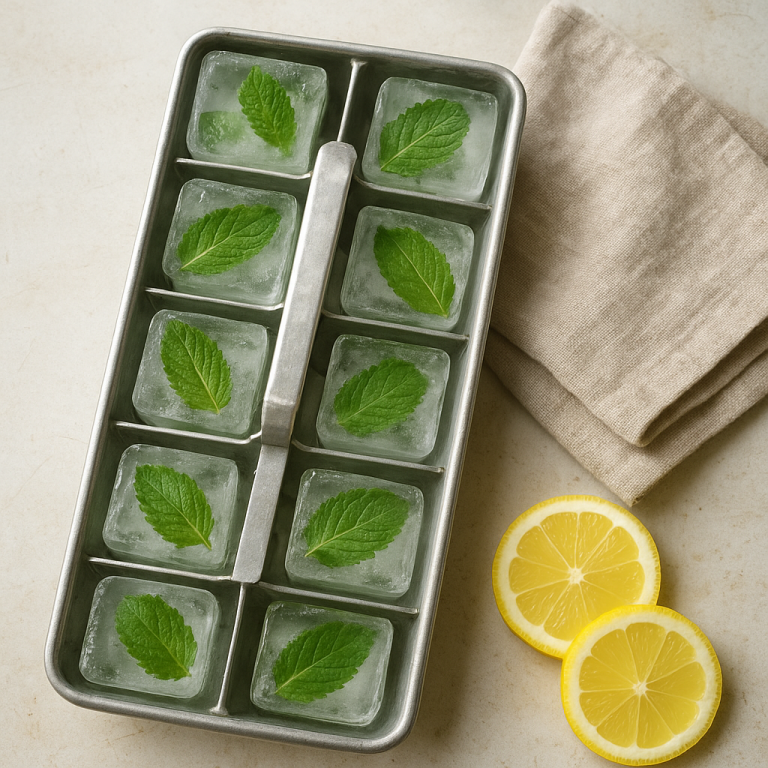
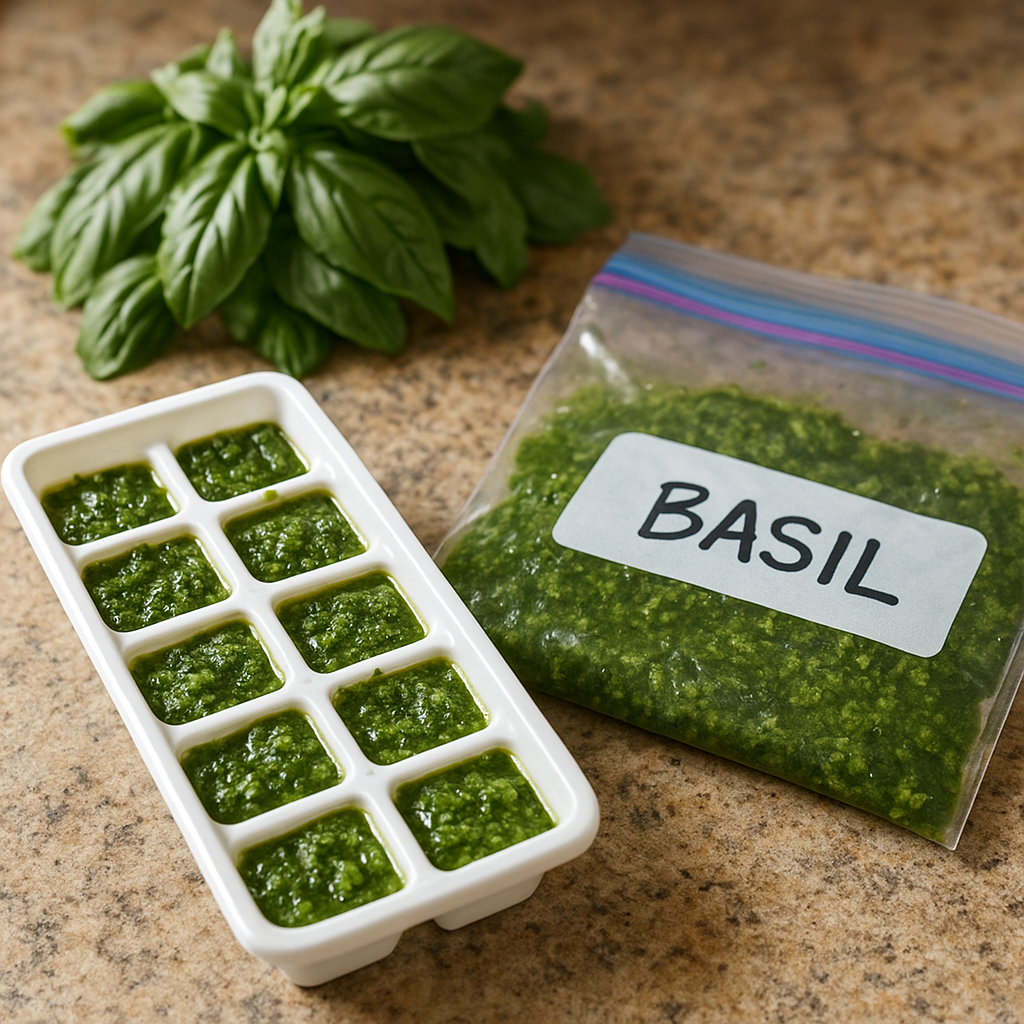
This is the better everyday method if you cook by the spoonful. Chop the basil, toss it with just enough olive oil to lightly coat it, then pack it into a small ice cube tray or silicone mold. Freeze the portions until solid and move them to a freezer bag.
Oil-coated basil portions are especially useful when you want to drop a little basil into pasta sauce, white beans, skillet vegetables, soup, or a pan of tomatoes without thawing a whole bag.
The best step-by-step method for most kitchens
- Start early. Freeze basil while it still smells vivid and the leaves are mostly smooth, not after the bunch collapses.
- Dry it thoroughly. Extra surface water leads to darker leaves and icy clumps.
- Pick your format. Use plain leaves for soups and sauces. Use chopped basil with oil for more controlled portions.
- Freeze in small amounts. Thin layers, small cubes, and flat bags are all easier than one big frozen brick.
- Seal it well. Basil loses quality fast when exposed to freezer air.
- Label it. Frozen green herbs all start looking alike.
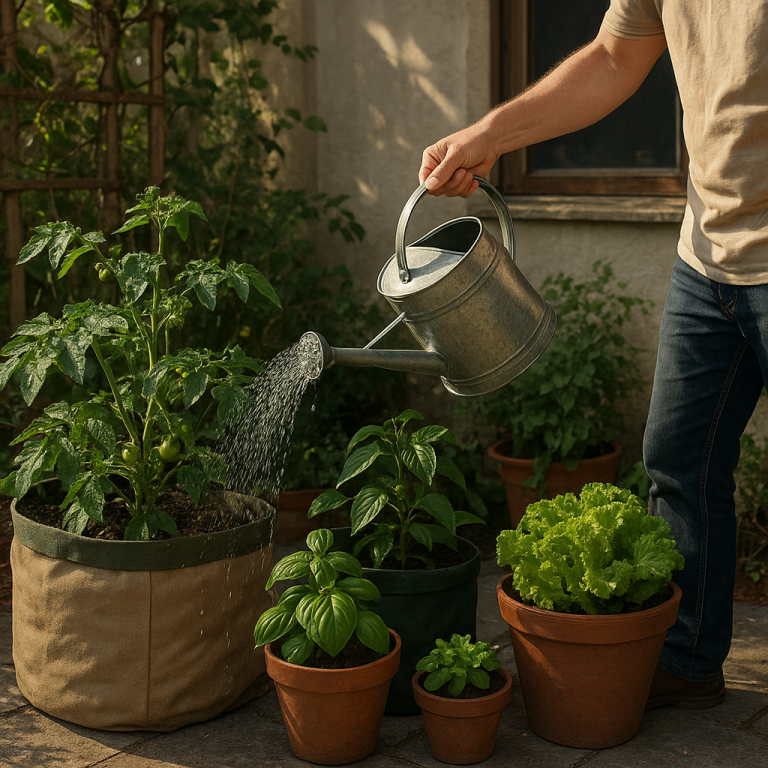
If your basil came from your own containers, this is one of the easiest ways to stay ahead of a productive plant from a basil pot that suddenly took off.
What frozen basil is actually good for
- tomato sauce and quick pasta sauces
- soups and stews
- white beans, chickpeas, and lentils
- scrambled eggs or omelets
- skillet zucchini, eggplant, or peppers
- rice or other grains right after cooking
- blended dressings, marinades, and green sauces
Frozen basil is less useful for caprese salad, sandwich garnish, or anywhere you need whole fresh leaves that look tidy on the plate.
Common mistakes
Freezing basil wet
Wet leaves stick together, darken faster, and are much harder to portion cleanly.
Waiting until the bunch is already blackening
Freezing pauses decline, but it does not undo spoilage. Start earlier than you think.
Freezing one giant mass
A huge frozen wad is preserved, but it is annoying enough that people stop using it.
Planning to use it as fresh garnish later
That is where disappointment starts. Frozen basil belongs in cooking jobs, not fresh finishing jobs.
Troubleshooting
My basil turned very dark
That usually means the leaves were bruised, too wet, or already aging when they went into the freezer. It can still be fine for sauce or soup.
The leaves froze into a solid block
Freeze them in a single layer first next time. For the current batch, let the bag sit for a minute at room temperature and break off what you need.
The flavor seems weaker after freezing
Use frozen basil a little more generously than fresh and add it later in the cooking process when possible.
I only use small amounts at a time
That is a strong case for oil cubes or a very thin flat freezer bag instead of whole leaves.
FAQ
Can you freeze basil without blanching it?
Yes. For normal home cooking, drying it well and freezing it in small portions is usually the simplest useful method.
Is it better to freeze basil whole or chopped?
Whole leaves are fine for soups and sauces. Chopped basil with a little oil is better if you want easy spoon-sized portions.
Can you freeze basil in olive oil?
Yes. That is one of the most practical ways to freeze it for weeknight cooking.
What is frozen basil not good for?
It is not a good substitute for fresh basil in salads, garnishes, or anywhere texture matters.
The useful version
Freezing basil works best when you treat it like a future cooking ingredient, not a future garnish. Freeze it while it still smells alive, portion it in a way that matches how you cook, and the next overenthusiastic bunch feels a lot less like a deadline.