The Spring Allium That Wants Fridge Care, Not Pantry Neglect
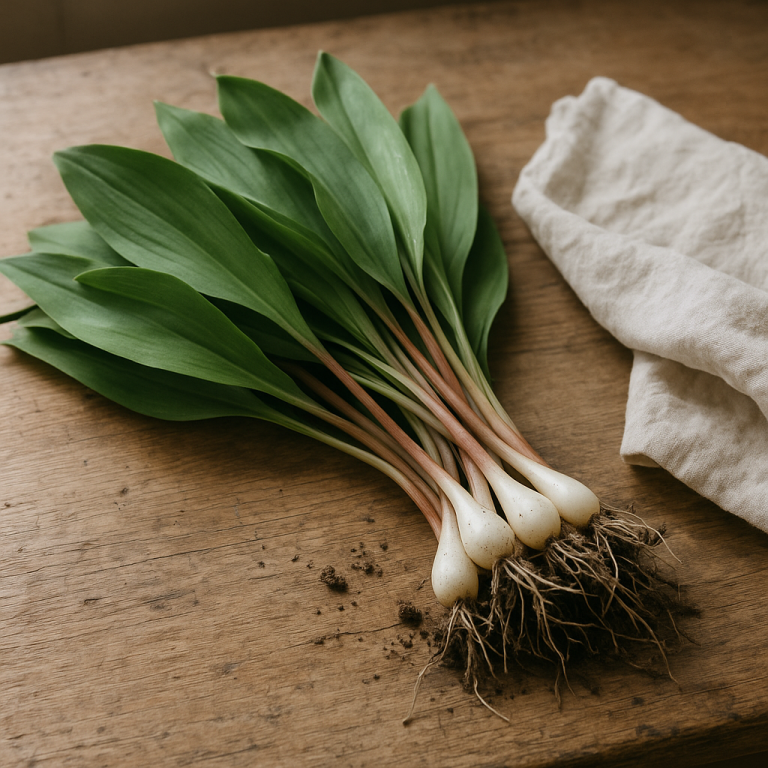
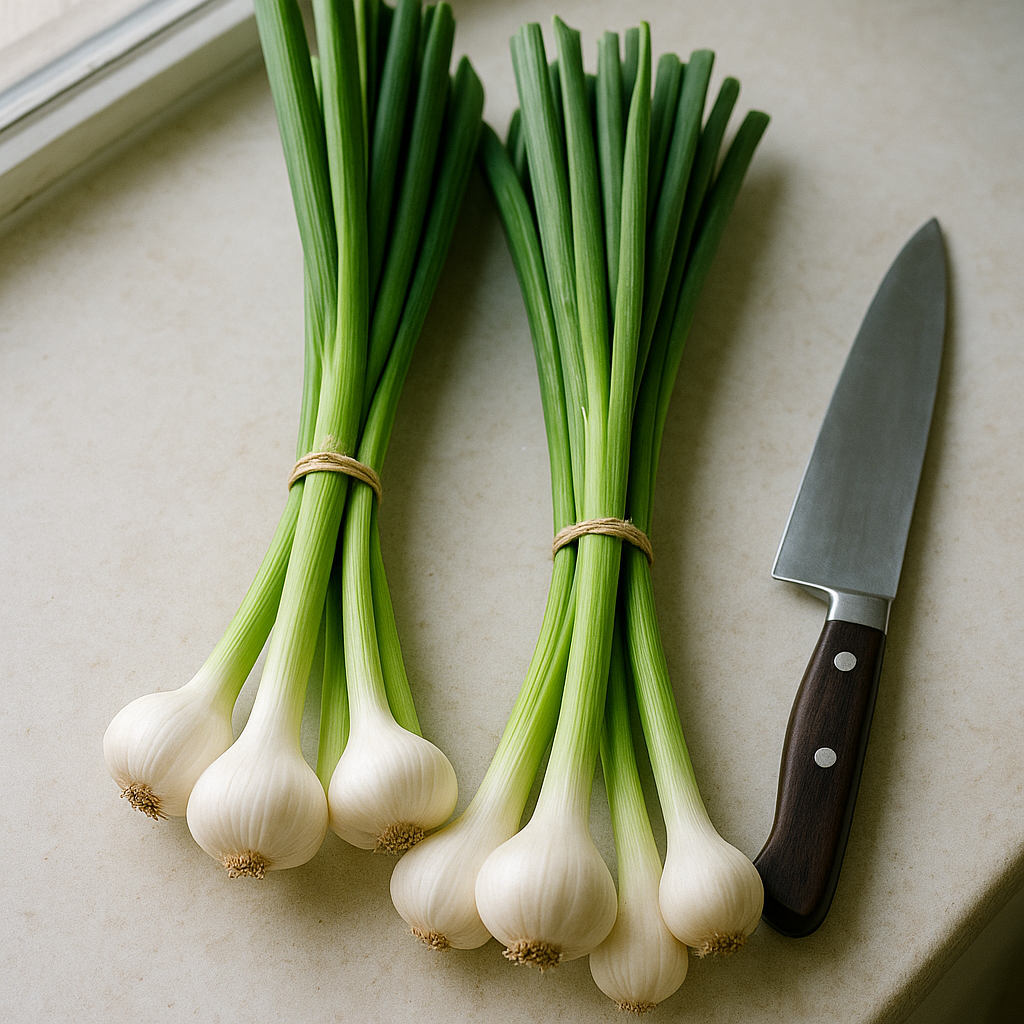
Green garlic looks like it should behave like a small garlic bulb, but it does not. It is younger, juicier, and far more perishable, with tender stalks that dry out fast on the counter and soften quickly if they sit wet in the fridge.
If you bring home a bunch from the market or pull it from the garden, treat it more like a sturdy scallion than a cured head of garlic. The reward is a week of sweet, mellow garlic flavor you can use in eggs, rice, beans, soups, sautés, and spring vegetables without the harsh bite of older cloves.
The short answer
- Keep green garlic in the refrigerator, not in the pantry.
- Do not trim off the stalks until you are ready to cook with it.
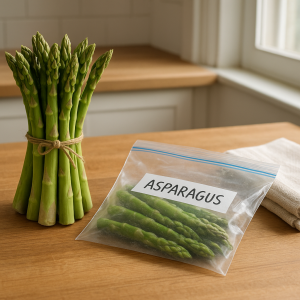
- Wrap it loosely in a dry or barely damp towel, then slide it into an open bag or unsealed container.
- Use it within about 5 to 7 days for the best texture and flavor.
- If it is already softening, chop and cook it soon instead of trying to store it longer.
Green garlic is at its best when the bulbs are firm, the greens still look fresh, and the whole bunch smells clean instead of sharp or swampy.
What green garlic actually is
Green garlic is immature garlic harvested before the bulb fully divides into distinct cloves and before the wrapper turns papery. The lower part gives you a mild garlic flavor, while the green stalks cook more like a cross between garlic, scallions, and young leeks.
That makes it a natural bridge between the Kitchen and Garden sides of the site. If you are growing your own, the storage problem starts right after harvest. If you are still planning the growing side, see how to plant garlic and how to grow garlic in pots without small bulbs, rot, or weak growth.
The best way to store green garlic
- Leave the bunch whole. Do not slice off the green tops or peel the lower stem ahead of time. Once cut, it loses moisture much faster.
- Brush off obvious dirt, but do not wash it for storage. Extra moisture shortens its life unless you dry it thoroughly.
- Wrap it loosely. A dry towel or barely damp paper towel helps buffer it from direct fridge air without trapping puddled moisture.
- Use a bag with some airflow. A produce bag left partly open or an unsealed container works better than a tight plastic trap.
- Keep it in the crisper or another cool part of the fridge. It should stay cold, but not crushed under heavier groceries.
If your fridge runs very dry, the towel can be just slightly damp. If your fridge already holds moisture, keep the wrap dry-leaning. The goal is protection, not a humid chamber.
How to tell it is still worth using
- Good signs: firm white base, crisp green leaves, fresh onion-garlic smell, no slime.
- Use soon signs: slightly floppy greens, minor drying at the tips, softer texture near the base.
- Discard signs: slimy layers, sour smell, mushy bulb end, widespread yellow collapse.
A little drying at the cut tops is not a disaster. Sliminess is the real warning sign.
How to prep it without wasting the best part
Trim off the root end, peel away any tough outer layer if needed, and use the white and light green parts the way you might use a mix of scallions and mild garlic. The darker green portion is useful too as long as it is still tender.
Green garlic is especially good when you want garlic flavor that does not dominate everything else. It disappears nicely into scrambled eggs, fried rice, butter beans, spring pasta, and pan sauces. It is also a smart follow-up if you already keep green onions stored properly and want another fast allium in rotation.
The easiest ways to use a bunch this week
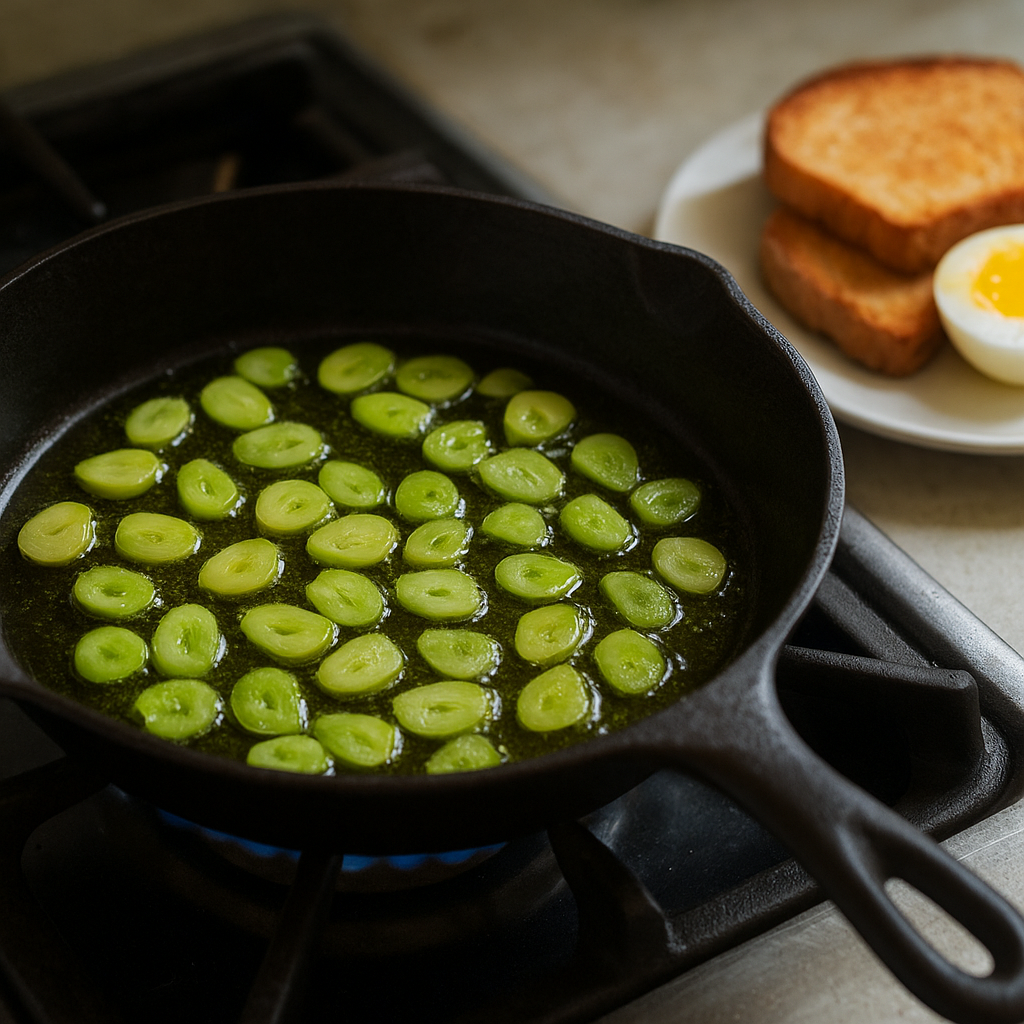
- Sauté sliced green garlic in olive oil and fold it into scrambled eggs.
- Stir it into a pot of white beans or lentils near the end of cooking.
- Cook it briefly before adding rice, then finish with herbs or a spoonful of parsley chimichurri.
- Use it as the aromatic base for a quick soup with peas, potatoes, or asparagus.
- Mix it with butter and spread it on toast or roasted vegetables.
- Slice it thin and soften it before topping oven salmon.
If you buy or harvest more spring herbs than one meal can handle, the broader backup plan in how to keep fresh herbs alive long enough to actually use them pairs well with this more specific green-garlic routine.
Common mistakes
Leaving it on the counter like cured garlic
Green garlic is not shelf-stable the way mature bulbs are. Room temperature dries the stalks and softens the base too quickly.
Washing it before storage
Wet layers trapped in a bag speed up rot. Clean it right before cooking unless it is truly muddy.
Sealing it too tightly
A closed plastic bag holds too much moisture. A little airflow helps.
Using only the white part
The pale and medium-green sections are often the best part of the bunch. Do not throw them away if they are still tender.
Troubleshooting
My green garlic went limp in two days
It was likely either too warm before refrigeration or stored too dry. Trim the driest ends and cook the rest soon.
It turned slimy near the base
There was too much trapped moisture. Remove the spoiled outer layer and use what is still firm right away if the smell is still clean.
The tops dried out but the base feels fine
Use the lower white and light-green parts first, and save the drier top for stock or a quick sauté if it is not tough.
FAQ
Can you freeze green garlic?
Yes, but the texture changes. It is best chopped and frozen for future cooking rather than for raw use.
Can you use the green tops?
Yes. Use the tender green portion the way you would use scallion tops or young leeks.
Is green garlic the same as garlic scapes?
No. Green garlic is the whole young plant. Garlic scapes are the curly flower stalks that appear later on hardneck garlic.
A better plan for a short season
Green garlic earns its keep when you treat it like the fresh spring ingredient it is instead of like pantry garlic. Keep it cool, keep it dry-leaning, use the whole tender bunch, and it turns into one of the easiest ways to make simple meals taste more awake.