A Better Fridge Setup for Cilantro That Still Tastes Alive in a Few Days
Cilantro has a short path from bright and leafy to limp, black-edged, and vaguely swampy. The usual problem is not that cilantro is impossible to keep. It is that most bunches get shoved loose into the crisper, trapped in the store band, or washed and left too wet before they ever make it into the fridge.
If you want cilantro to stay useful for tacos, rice bowls, soups, eggs, and quick sauces through the rest of the week, give it a little structure. A trimmed bunch, dry leaves, a small amount of water, and a loose cover usually works much better than letting it fend for itself in the drawer.
The short answer
- Take cilantro out of the store bag and remove the tight band.
- Trim a little off the stems.
- Make sure the leaves are dry before storing.
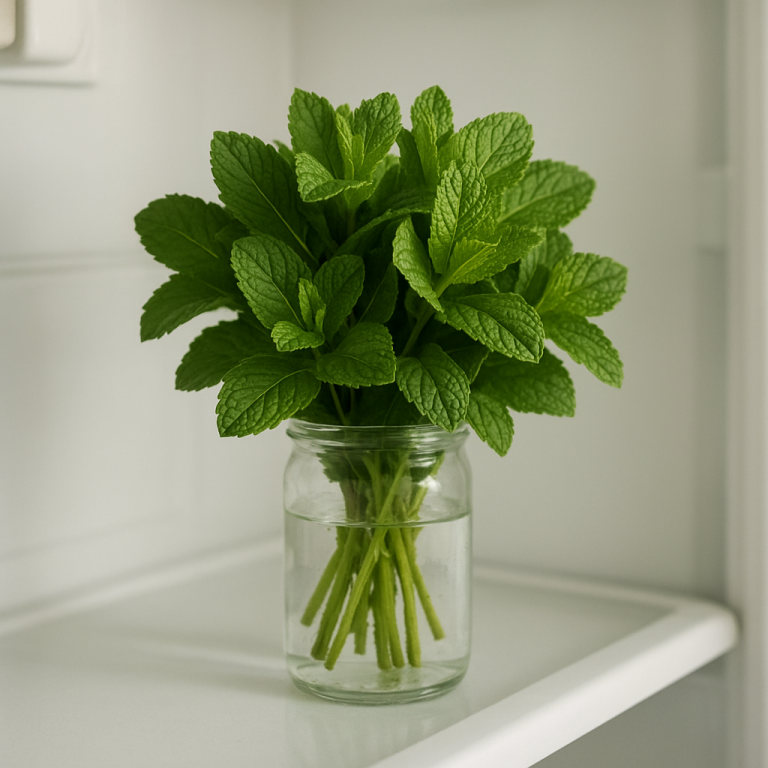
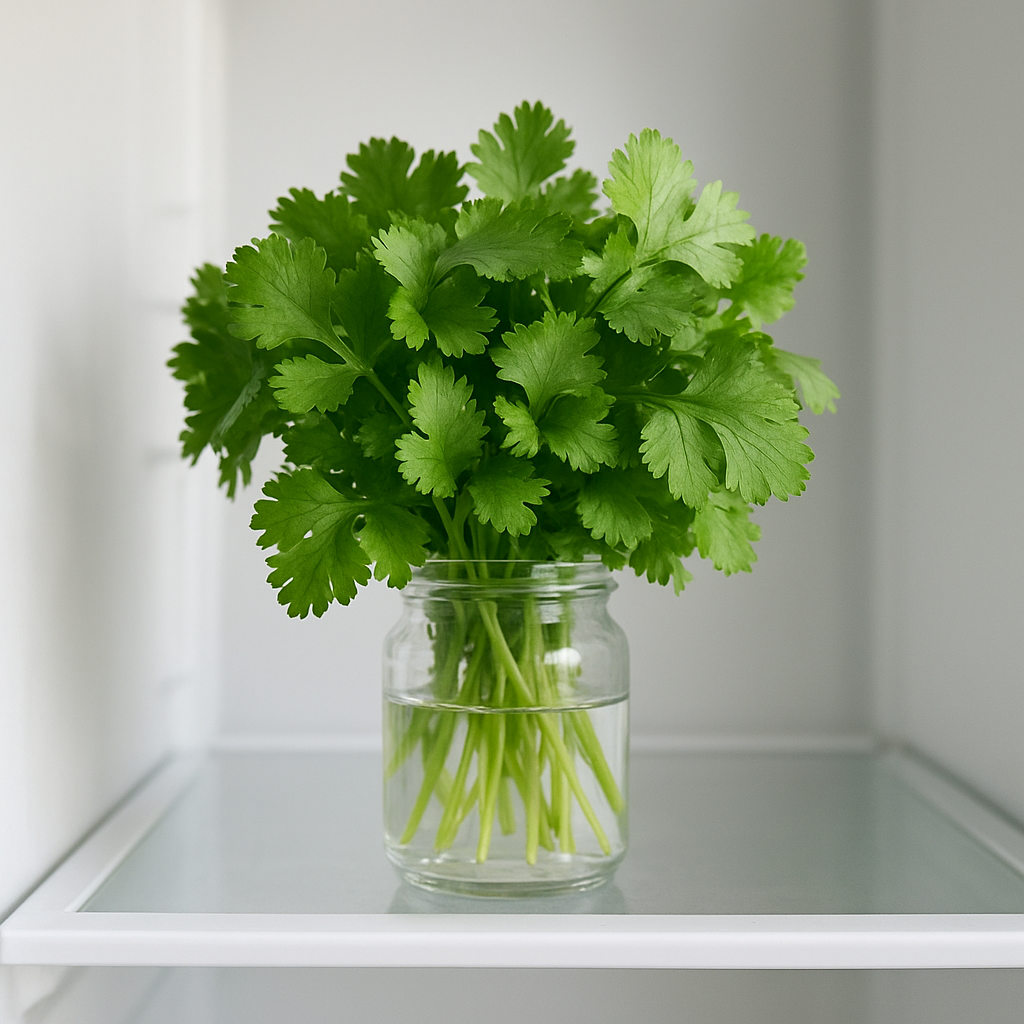
- Stand the bunch in a jar with about an inch of water.
- Loosely cover the top if your fridge runs dry.
- Keep it on a fridge shelf where it will not get crushed, not buried loose in the crisper.
- If you will not use it in time, freeze the extra while it still smells fresh.
That setup keeps the stems hydrated without turning the leaves into slime.
Why cilantro goes bad so fast
Cilantro has tender stems and delicate leaves, so it bruises easily and collapses fast when the storage conditions swing too far in either direction. Too dry, and it wilts. Too wet, and the leaves turn slimy. Too crowded, and one damaged patch spreads through the bunch faster than most people expect.
This comes up even more if you are cutting from your own pots or buying big spring bunches. If you are growing it at home, this cilantro grow guide helps you get a better harvest in the first place, and this broader herb storage guide covers how cilantro fits into the bigger herb picture.
The most reliable way to store a fresh bunch
- Remove packaging. Take off rubber bands, twist ties, and any damp plastic that is sticking to the leaves.
- Pick out damaged stems. If a few leaves are already black, mushy, or yellow, pull them now so they do not drag the rest down with them.
- Trim the bottom ends. Cut a small slice off the stems so they can take up water cleanly.
- Use only a little water. Put the cilantro upright in a jar with roughly an inch of water, not a full vase.
- Keep the leaves mostly dry. If the bunch came wet from washing or rain, dry it gently before it goes into the jar.
- Cover loosely if needed. A loose produce bag over the top can help in a dry fridge, but do not seal it tightly.
- Refrigerate on a shelf. A shelf usually protects the bunch better than a crowded drawer where it gets flattened.
If the water looks cloudy, change it. If a few stems go soft, remove them early instead of waiting for the whole bunch to follow.
When the towel method is the better move
If your cilantro is already fully washed, very sandy, or slightly fragile, the jar method is not always the cleanest option. In that case, dry the bunch thoroughly, wrap it loosely in a dry or barely damp towel, and place it in a container or unsealed bag in the fridge. This works best when the leaves are already close to soft and you do not want them sitting above water for several more days.
The key difference is still the same: protect the cilantro without trapping it in a wet little greenhouse.
Should you wash cilantro before storing it?
Usually no. Wash it right before using it unless it is so gritty that you have to deal with it up front. Early washing is one of the fastest ways to shorten the life of a bunch because water hides in the leaves and where the stems branch, then quietly turns into slime.
If you do wash first, spin or pat it dry very well before it goes back into the fridge.
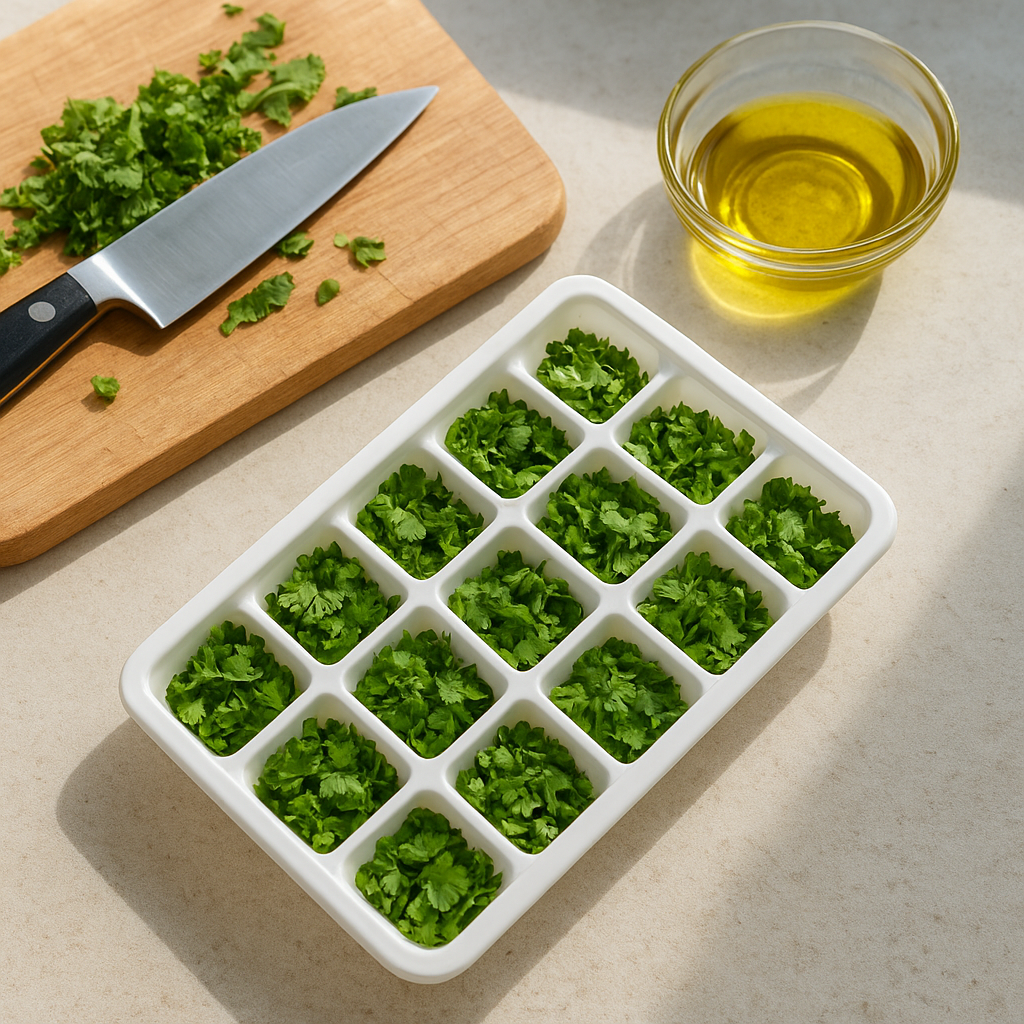
What to do if you know you will not use the whole bunch
The best backup plan is not heroic meal planning. It is moving the extra cilantro into a form you will actually use. Cilantro does lose some texture in the freezer, but it still works well in cooked dishes, soups, beans, rice, curries, and blended sauces.
- Chop it and freeze it flat in a small bag.
- Freeze it in oil or water in tiny portions for cooked food later.
- Blend part of the bunch into a quick green sauce if dinner needs help right now.
- Save the stems too. Tender cilantro stems carry plenty of flavor.
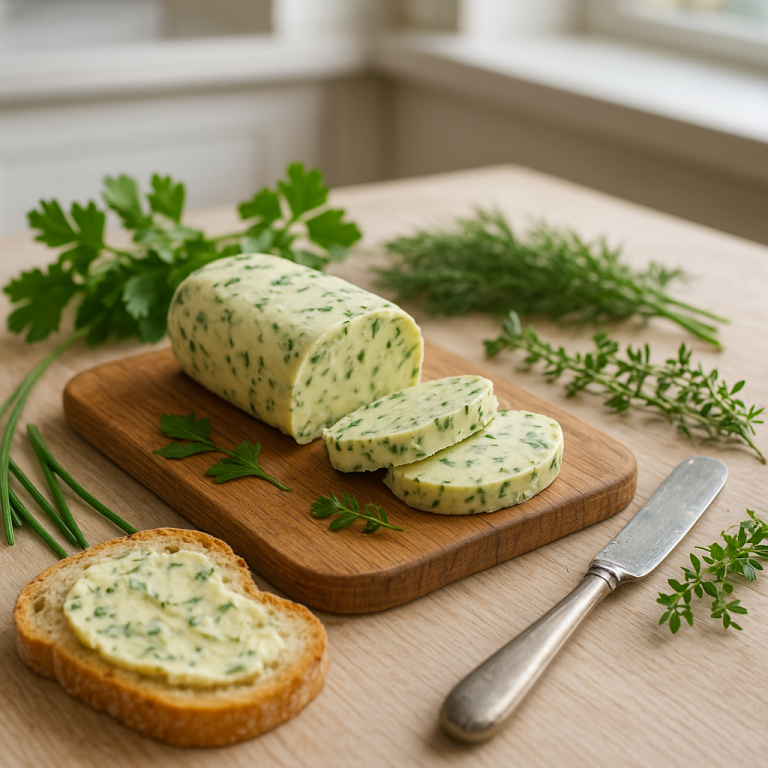
If your fridge is regularly full of extra herbs, the freezer-friendly ideas in this herb butter guide are another good way to stop small leftovers from piling up.
Common mistakes that wreck cilantro early
Leaving it in the grocery store sleeve
That sleeve traps moisture in the wrong places and encourages bruising.
Storing wet leaves in a sealed bag
Wet cilantro in a sealed bag is basically an invitation to slime.
Using too much water in the jar
The stems need a little water. The whole bunch does not need a bath.
Ignoring one bad stem
One soft, dark stem can spread the mess through the rest of the bunch faster than you think.
Troubleshooting
My cilantro got slimy in two days
It was probably stored too wet or too tightly sealed. Remove the damaged parts, dry what is still salvageable, and reset it with better airflow.
It wilted even in water
The stems may need a fresh trim, or the bunch may have been old when you bought it. Make sure it is not sitting near a fridge vent that is too cold and drying.
The leaves turned dark and mushy
That usually means trapped moisture and bruising. Pull out the damaged stems fast and switch to a drier setup.
I only ever use half a bunch
Split it on day one. Keep part fresh for the next meal and freeze the rest while it is still worth saving.
FAQ
Can you store cilantro in water like parsley?
Yes. It is one of the most reliable ways to keep a bunch fresh, as long as the leaves stay mostly dry and the top is not sealed too tightly.
Can you freeze cilantro?
Yes. It will not come back with the same raw texture, but it stays very useful for cooked dishes and blended sauces.
Do cilantro stems matter?
Yes. Tender stems are flavorful and worth keeping, especially in cooked food and sauces.
The useful version
Take cilantro out of the packaging, keep the leaves dry, give the stems a little water, and move extra handfuls to the freezer before they collapse. That is usually enough to turn cilantro from a two-day disappointment into something you can still use later in the week.