A Simple Freezer Plan for the Stalks You Won’t Cook This Week
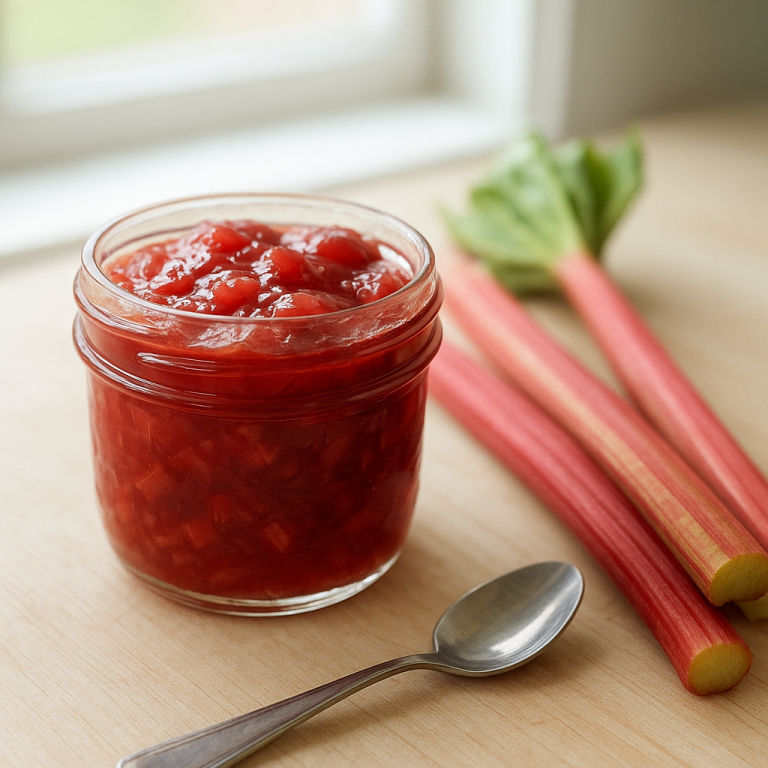
Rhubarb has a short, sharp season. One week it feels like a treat from the market or the garden, and the next it is slumping in the fridge drawer while you keep meaning to make something with it.
If you are not using it in the next few days, freezing it early is the easiest way to keep that bright tart flavor around. The goal is not just to save it. The goal is to freeze it in a way that keeps it easy to portion for crumbles, compotes, sauces, and quick baking later.
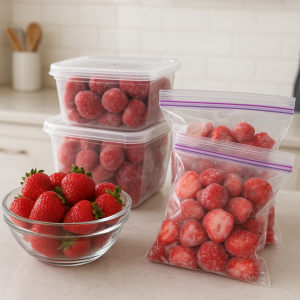
If your spring produce haul is piling up, Freakywood also has guides on freezing fresh strawberries and storing asparagus properly before it gets limp.
The short answer
- Freeze rhubarb while the stalks are still firm and crisp, not after they start bending and weeping.
- Trim off the leaves completely and wash the stalks well.
- Cut the rhubarb to the size you are most likely to use later.
- Dry it well, then freeze it in a single layer before bagging it.
- Label the bag so you know how much is inside and when you froze it.
If you want loose pieces instead of one frozen brick, the tray-freeze step matters.
When rhubarb is worth freezing
Freeze rhubarb when the stalks still feel solid, juicy, and snappy. That is when you get the best result later. If the stalks are already floppy, dried out at the cut ends, or starting to look tired, they are still usable for a quick stovetop sauce, but they are no longer ideal freezer material.
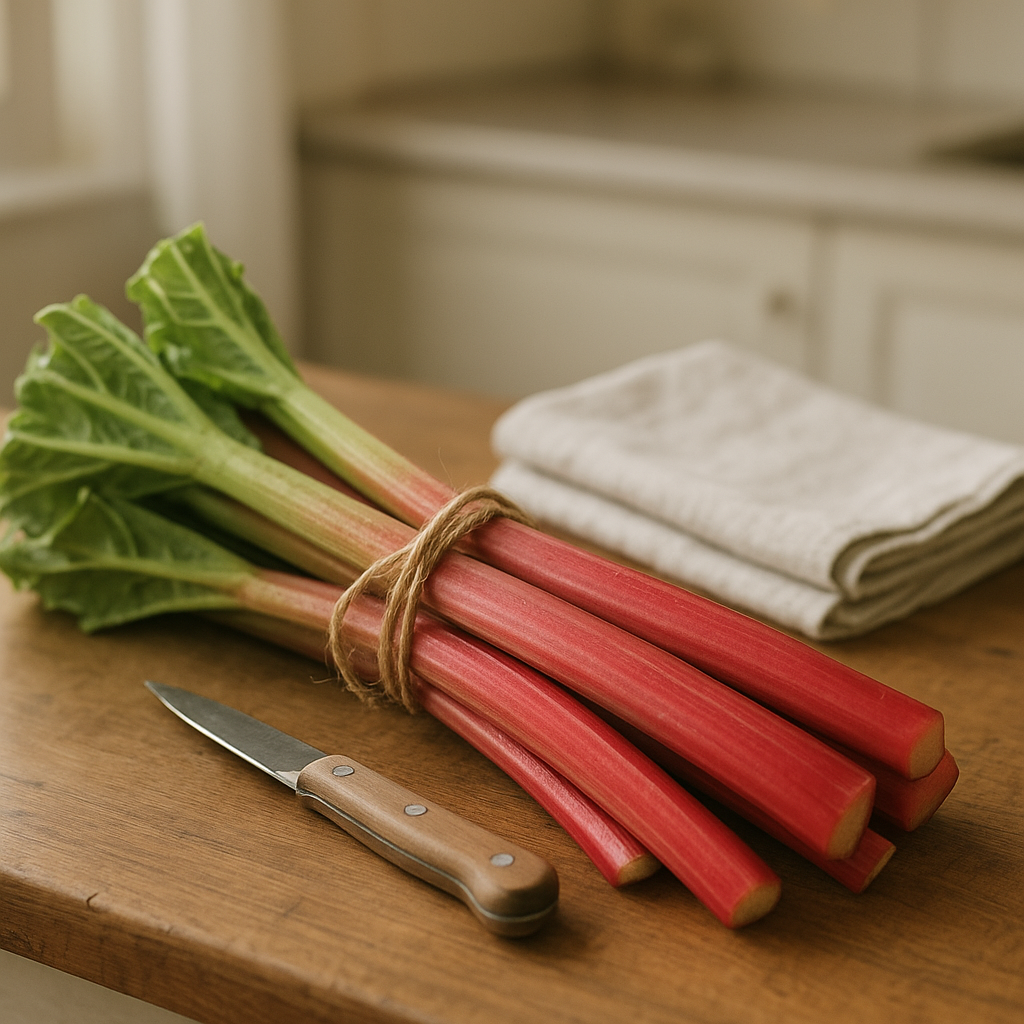
Always remove the leaves and discard them. The useful part is the stalk. Once the leaves are gone, trim the base and any rough or damaged spots.
Raw or blanched?
For most home kitchens, freezing rhubarb raw works well and is the simplest option. If you want the easiest path for pies, crisps, compotes, and sauces, raw frozen rhubarb is usually enough.
Blanching can help if you are freezing a larger batch for longer storage, but it is optional. If you do blanch it, keep it brief, cool it fast, and dry it thoroughly before it goes on the tray. Otherwise you trade a little freezer insurance for a lot of extra water.
How to freeze rhubarb step by step
- Trim it down. Remove all leaves, trim the ends, and cut away any damaged sections.
- Wash and dry it well. Rinse the stalks under cool water, then dry them with a towel. Surface moisture creates frost and clumping.
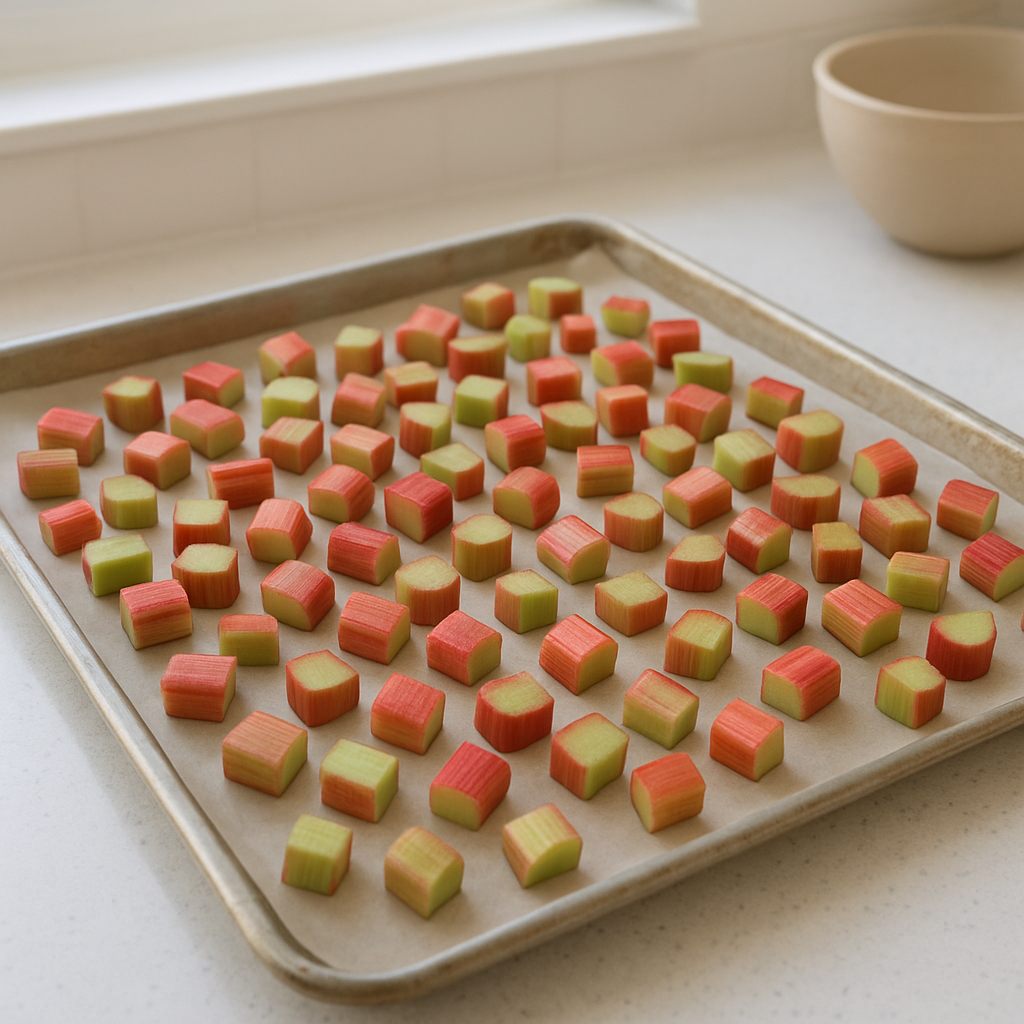
- Cut it for future you. For most baking and compote projects, pieces around 1/2 inch to 1 inch wide are easy to work with. If you already know you want larger pieces for a specific dessert, cut for that now.
- Optional: blanch briefly. Drop the pieces into boiling water for about 1 minute, then move them straight to ice water. Drain and dry them thoroughly before freezing.
- Freeze in a single layer. Spread the rhubarb on a parchment-lined tray so the pieces are not piled on top of each other. Freeze until firm.
- Pack and label. Transfer the frozen pieces to a freezer bag or container, press out extra air, and label the amount and date.
The packing choice that makes rhubarb easier to use
Do not pack one giant bag unless you always cook giant batches. Small measured portions are much more useful.
- 1-cup bags: good for compotes, sauces, and adding to breakfast fruit.
- 2-cup bags: useful for crisps, cakes, and weekend baking.
- Flat freezer bags: easier to stack and quicker to thaw than deep containers.
If you like to combine spring fruit later, freezing rhubarb separately gives you more flexibility. You can always pair it with strawberries later, but you cannot easily unmix a sweetened frozen fruit blend once it is packed.
How to use frozen rhubarb later
Frozen rhubarb is best for cooked uses rather than anything that depends on a crisp raw bite. Most of the time, you can use it straight from the freezer.
- Simmer it into a quick compote for yogurt, oatmeal, or toast.
- Add it to a crumble or crisp without thawing first.
- Cook it into a tart sauce for spooning over ice cream or pound cake.
- Fold it into muffins or snack cake batter.
- Pair it with frozen strawberries for a jammy stovetop topping when berry season gets ahead of you.
Common mistakes that make frozen rhubarb less useful
Freezing it too late
Once the stalks are already limp, the freezer will not bring them back. Freeze rhubarb while it still feels fresh.
Leaving it wet
Wet pieces frost over and stick together. Dry stalks freeze cleaner and pour out of the bag more easily.
Skipping the tray freeze
If you dump fresh-cut rhubarb straight into a bag, it tends to freeze into a dense block. The single-layer freeze avoids that.
Keeping the leaves attached too long
Trim them off right away and keep only the stalks you will actually use.
Packing it in random amounts
A mystery bag is annoying later. If you take ten seconds to label it now, you will know whether you have enough for dessert or just enough for a quick sauce.
FAQ
Can you freeze rhubarb raw?
Yes. Raw rhubarb freezes well for most cooked uses, especially if you tray-freeze it first.
Do you need to thaw rhubarb before baking?
Usually no. You can add it straight from frozen to crisps, crumbles, and many batters. If a recipe is very sensitive to extra moisture, you may want to account for a little more liquid release.
How long does frozen rhubarb keep?
It is best within about a year if it stays consistently frozen and well packed.
Can you freeze rhubarb with sugar?
You can, but unsweetened rhubarb is more flexible. It lets you decide later whether the batch is going into a dessert, a breakfast compote, or a sharper sauce.
Freeze rhubarb while it is still bright and crisp, and it stays useful long after the short season moves on. That is a much better outcome than finding a limp bundle in the back of the fridge and pretending it was part of a plan.