The Spring Soup Hiding in the Trimmings
Asparagus season always produces the same small pile of guilt: the woody ends you snap off, the thick lower stalks you trim back, and the question of whether all of that really has to go straight into the trash. It does not.
Those tough ends are too fibrous to eat like the tender tops, but they still carry plenty of asparagus flavor. With a little onion, a small potato, and enough simmering time, they turn into a light spring soup that tastes far more intentional than its scrap-bin origin would suggest.
The short answer
- Save clean asparagus ends and tough lower stalk pieces in the refrigerator for a day or two, or freeze them until you have enough.
- Simmer them with onion, garlic, broth, and a small potato until very soft.
- Blend the soup thoroughly, then strain it if you want a smoother finish.
- Use lemon, butter, or cream at the end to round out the grassy flavor.
- If the stalks are especially thick, peeling the lower part can help, but the peels and ends can still go into the pot.
If you buy asparagus often in spring, this is one of the easiest ways to get a second meal out of the bunch.
Why the ends are still worth saving
The bottom inch or two of asparagus is usually unpleasant to chew because the fibers have hardened. That texture is the problem, not the flavor. Once those pieces are simmered long enough and blended, the good part stays and the stringiness becomes manageable.
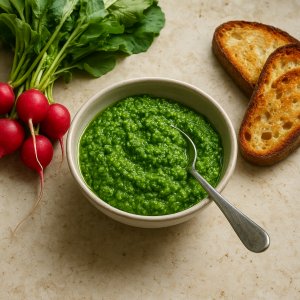
This is the same logic that makes whole-bunch cooking so satisfying. If you liked turning the tops from a bunch of radishes into radish greens pesto, asparagus trimmings deserve the same kind of second look.
When to save them and when to skip them
- Save: freshly snapped woody ends, trimmed lower stalk pieces, and peeled outer strips from very thick spears
- Skip: slimy, dried-out, or sour-smelling trimmings
- Use soon: refrigerate the scraps in a covered container if you will cook them within two days
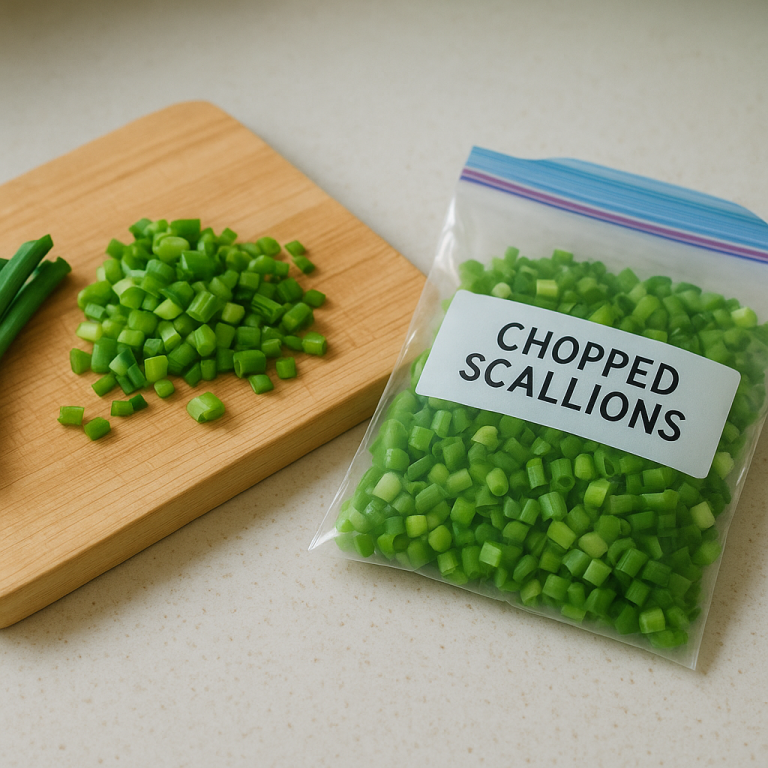
- Save for later: freeze the trimmings in a bag until you have enough for a pot
If you are starting with full spears that already feel rubbery or dehydrated, the soup can still work, but it will never taste as fresh as one made from recently trimmed asparagus.
Should you peel thick asparagus first?
Usually not. Thin and medium spears normally just need the woody bottom removed. Thick asparagus is where peeling can help, especially if the lower half feels noticeably fibrous even after trimming.
- Peel only the lower third to half of very thick stalks.
- Leave pencil-thin asparagus alone.
- Add the peels to the soup pot along with the snapped ends.
This lets you keep the tender top intact for roasting, sauteing, or a quick pasta while still getting value from the tougher part.
What you need
- Ends and lower stalk trimmings from about 2 bunches of asparagus
- 1 small onion, sliced
- 1 garlic clove
- 1 small potato, peeled and chopped
- 3 cups broth or water, plus more if needed
- 1 tablespoon butter or olive oil
- salt
- black pepper
- 1 to 2 teaspoons lemon juice
- optional splash of cream or spoonful of creme fraiche
- optional tender asparagus tips for garnish
The potato gives the soup body without overpowering the asparagus. If you want a lighter brothier result, use half as much potato and skip the cream.
How to turn asparagus ends into soup
- Rinse the trimmings well. Grit likes to hide around the cut ends and peelings.
- Soften the onion first. Melt the butter or heat the oil in a pot, then cook the onion with a pinch of salt until it looks soft rather than browned.
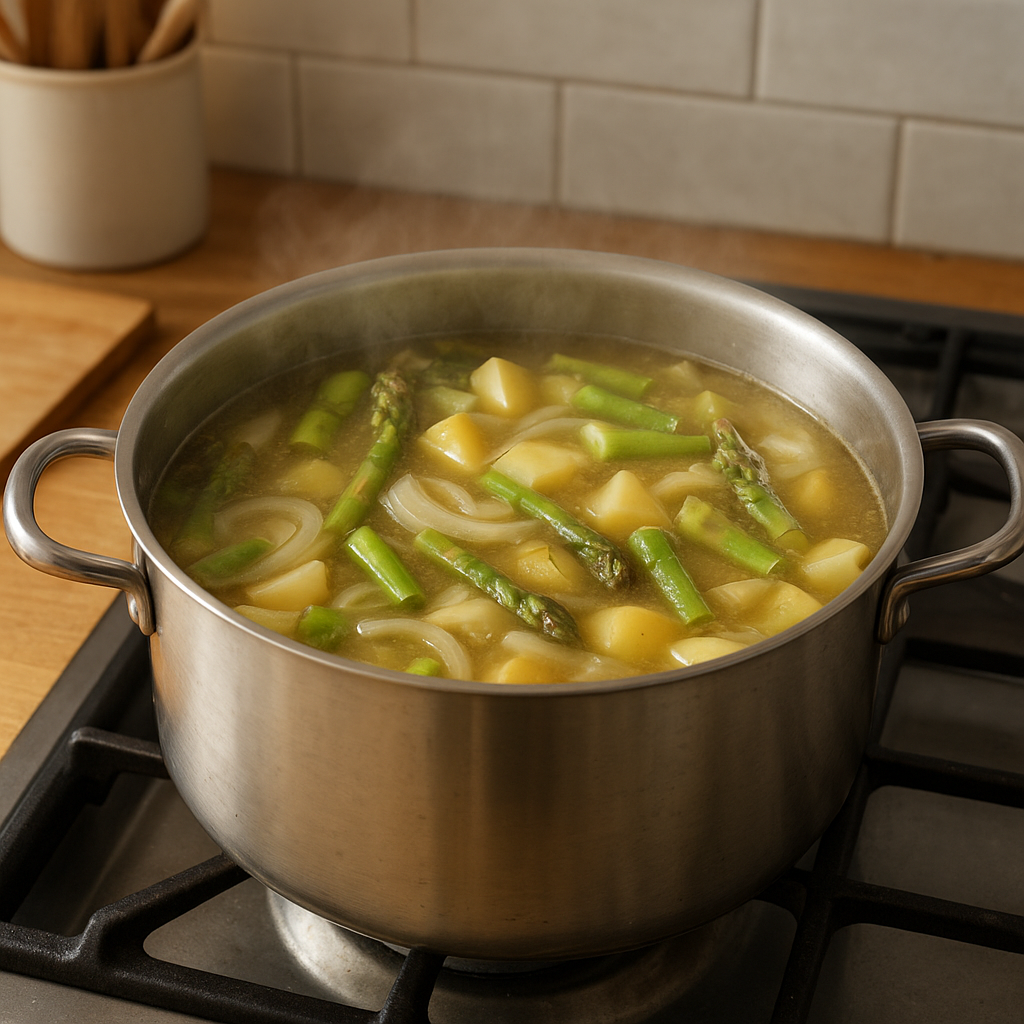
- Add the asparagus ends, garlic, and potato. Stir for a minute so everything gets coated.
- Pour in the broth. The vegetables should be covered by about an inch. Add a little more liquid if needed.
- Simmer until completely tender. Give it 20 to 30 minutes, or longer if the trimmings were very thick.
- Blend thoroughly. An immersion blender works, but a countertop blender usually gives a smoother result.
- Strain if you want a silkier soup. This step matters most when the pot included very woody ends or lots of peelings.
- Finish with lemon, pepper, and more salt. Add a small splash of cream only if the soup tastes too sharp or thin.
How it should taste
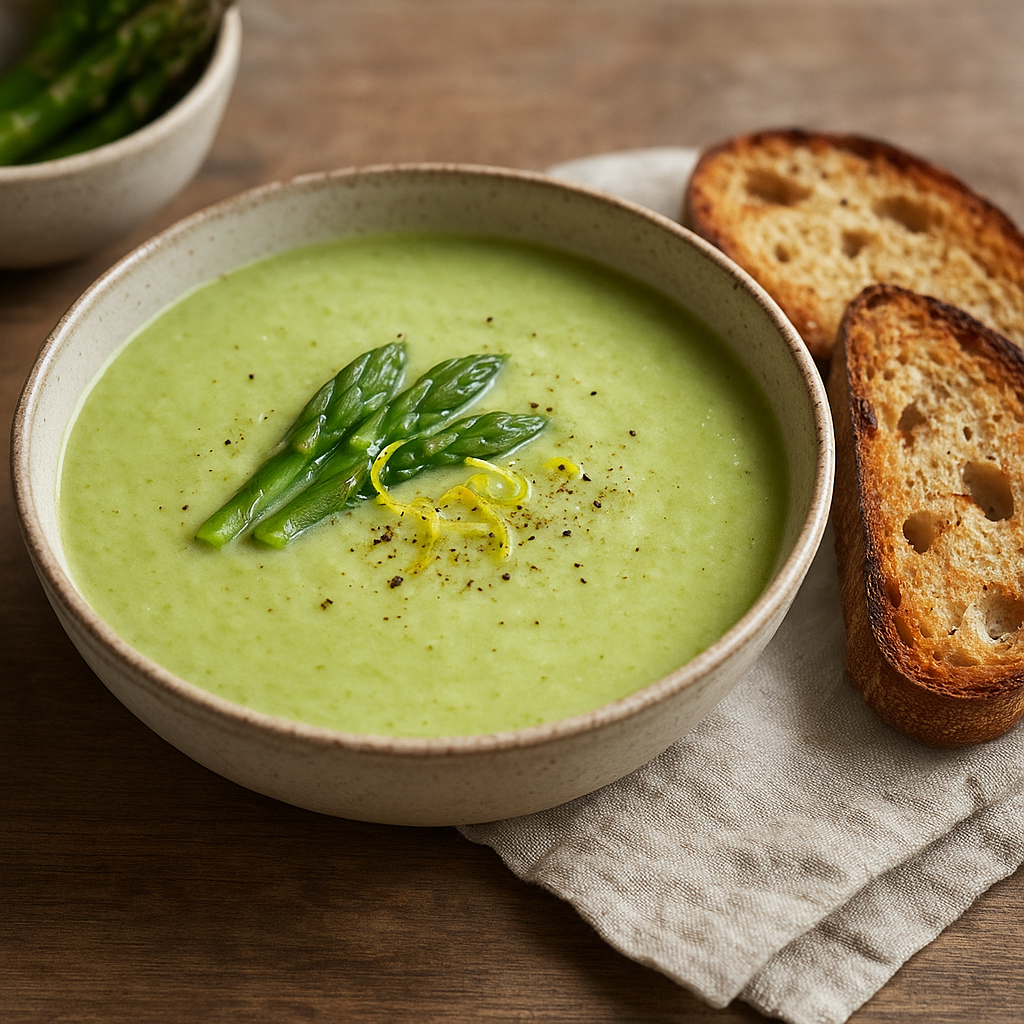
A good batch tastes green, savory, and clearly like asparagus, but softer and rounder than a plate of steamed spears. Lemon should brighten it without making it sour. The texture can be rustic or smooth depending on how thoroughly you blend and whether you strain it.
- Too thin: simmer a little longer or blend in more potato
- Too thick: loosen with broth a few tablespoons at a time
- Too fibrous: strain it and press the liquid through instead of forcing the solids back in
- Too flat: add salt before adding extra cream
The best ways to serve it
- with toasted bread and a little butter
- with a spoonful of creme fraiche or plain yogurt
- with chopped chives, green onions, or a few sauteed asparagus tips on top
- alongside eggs for a light lunch
- next to a spring salad or simple sandwich
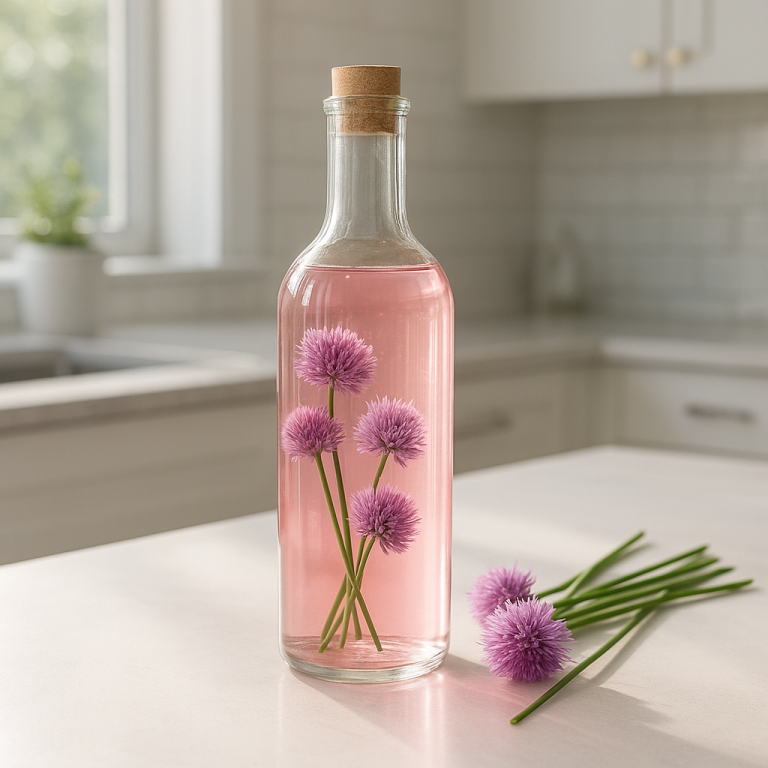
If you like keeping spring ingredients in circulation instead of wasting half a bunch, it also pairs naturally with bright small-batch fixes like chive blossom vinegar or a jar of quick-pickled radishes on the side.
Common mistakes
Using only the toughest ends and not enough softer stalk pieces
The soup works best when the pot includes some lower stalk sections too, not just the driest snapped tips.
Stopping the simmer too early
If the fibers have not softened enough, no amount of blending will fully fix the texture.
Skipping the straining step when the batch obviously needs it
There is no prize for forcing a silky soup to stay rustic. Strain it if the spoon says strain it.
Adding too much cream too soon
Cream should soften the edges, not bury the asparagus flavor.
Troubleshooting
The soup tastes stringy
The trimmings were probably too tough or needed more cooking time. Simmer longer and strain after blending.
The flavor is weak
You may have used too much water or too few trimmings. Simmer uncovered for a few minutes to concentrate it, then taste again for salt and lemon.
The color turned dull
That usually happens when the soup cooks too long after blending. Reheat it gently instead of boiling it hard.
I only have one bunch worth of scraps
Freeze them and add to the bag next time. The soup is easier to balance when you have enough asparagus flavor in the pot.
FAQ
Can you eat woody asparagus ends?
They are usually too fibrous to eat whole, but they are still useful for soup or stock-style cooking.
Do asparagus peels belong in the soup too?
Yes, especially from thick stalks. Just wash them well and expect to strain the soup if you use a lot of peels.
Can you freeze asparagus ends for later?
Yes. Freeze them in a bag and add more trimmings until you have enough for a pot.
Do you need cream?
No. A little potato and good blending usually give enough body on their own.
The part worth keeping
Woody asparagus ends are only useless if you expect them to behave like the tender tops. Give them the slower treatment instead, and they become a clean, practical spring soup that makes the whole bunch feel better spent.