A Better Home for Scallions Than the Produce Bag
Green onions are one of the easiest ingredients to waste. You buy a bunch for eggs, soup, noodles, tacos, or a quick salad, use a few stalks, then find the rest slumped into a wet corner of the crisper before the week is over.
The fix is not complicated. Green onions keep better when you protect the roots, control moisture, and stop treating them like dry onions or loose herbs. If you want them to stay crisp long enough to actually finish the bunch, the best setup is usually upright, lightly hydrated, and cold.
The short answer
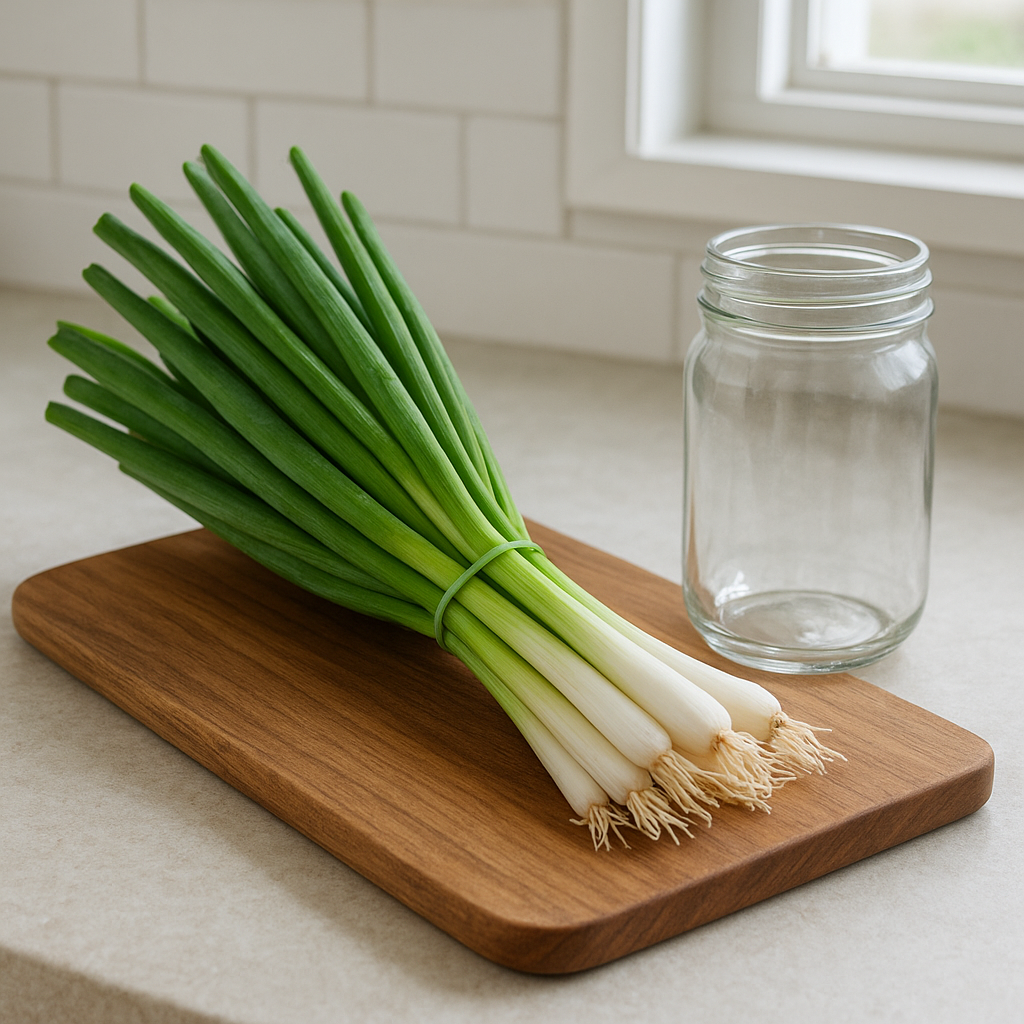
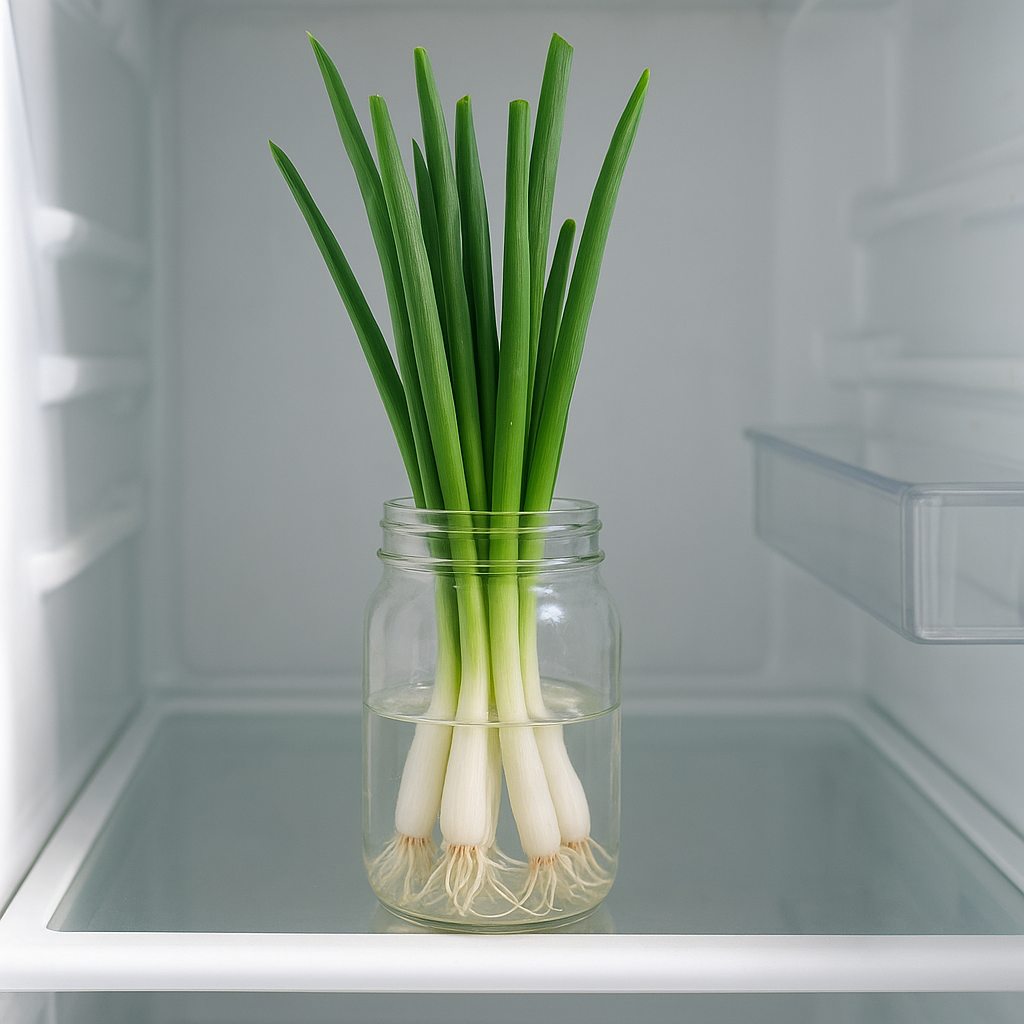
- For the longest fridge life, stand green onions upright in a jar with a little water around the roots and keep them in the refrigerator.
- If you know you will use them within a few days, wrap them in a barely damp towel and keep them in a bag in the crisper.
- Do not trap them in a wet store bag or leave them bruised under heavier produce.
- Trim off damaged tops early so one slimy section does not drag down the whole bunch.
- Freeze chopped extras only if you plan to cook them later, not use them raw.
If your green onions always seem to rot before you finish them, moisture control is usually the real issue.
Why green onions go bad so fast
Green onions are tender, high-moisture alliums. The dark green tops dry out fast when the fridge is too dry, but the white ends and inner layers turn slick when too much water gets trapped around them. That is why the usual flimsy produce bag does such a poor job. It gives you the worst combination: not enough structure, uneven humidity, and a good chance of bruising.
This is also why green onions behave differently from bulb onions. If you are growing full onions outdoors, the site already has a guide to growing onions in pots. Green onions are the fresher, shorter-lived version of the allium problem.
The best way to store green onions for the longest life
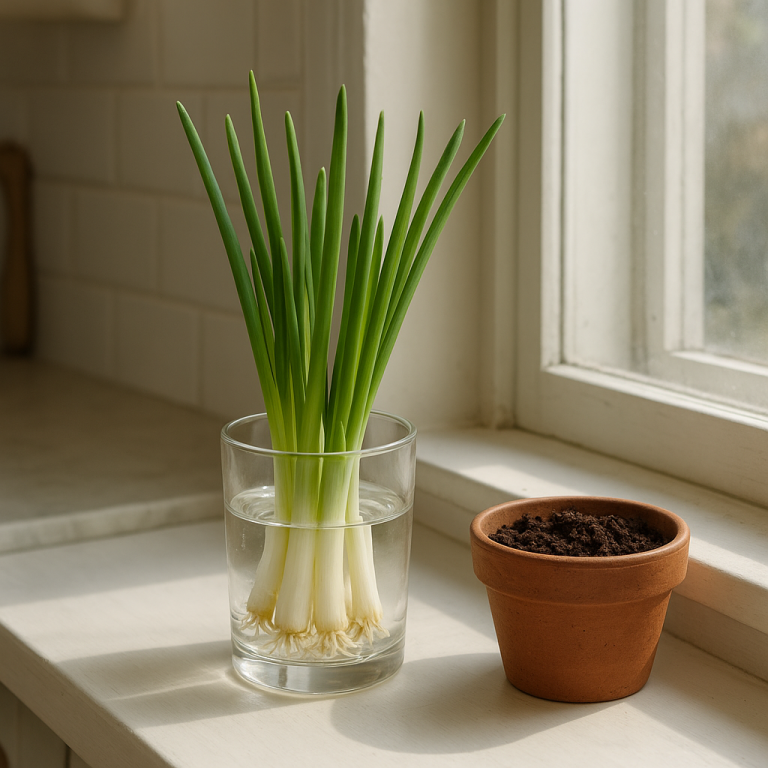
The most reliable method is to treat the bunch a little like cut flowers.
- Remove the rubber band or tight packaging. Anything that pinches the stalks speeds up bruising.
- Trim only the worst parts. Cut off dried tips or any obviously slimy section, but do not cut away the healthy green tops.
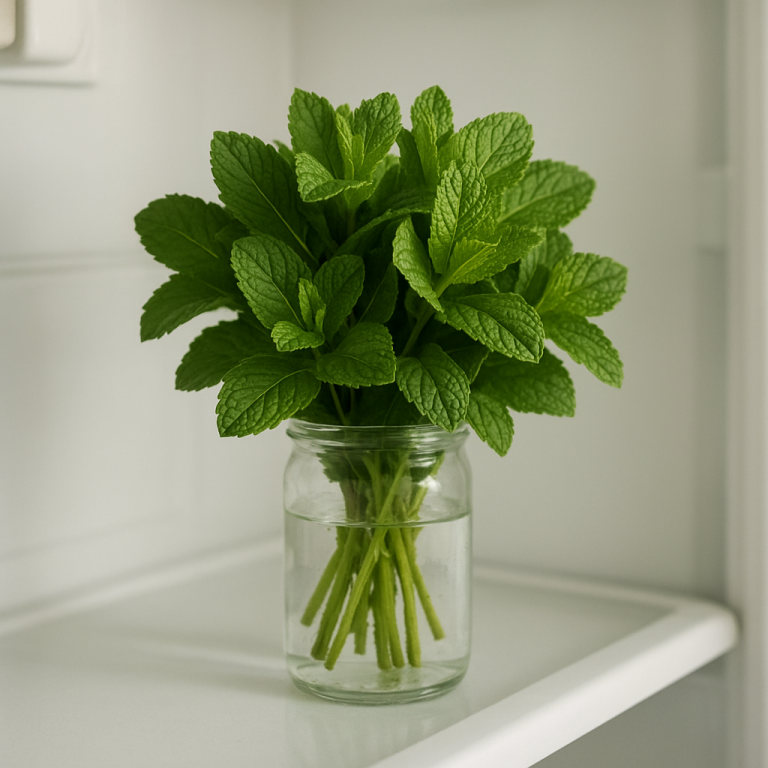
- Stand the bunch in a jar. Use a narrow jar or glass that keeps the stalks upright instead of bent.
- Add a small amount of cold water. You only need enough to cover the roots and very bottom ends, not half the stalk.
- Store the jar in the fridge. If your refrigerator runs very dry, a loose produce bag over the tops can help, but do not seal it tightly.
- Change the water when it looks cloudy. Fresh water and a quick rinse keep the bottom end from turning funky.
This method works because the roots do not dry out, the stalks stay upright instead of crushed, and the bunch gets humidity without sitting in a swamp.
The easier short-term method for a busy week
If a jar in the refrigerator feels too annoying, the next-best option is a lightly damp towel inside a bag or container.
- Wrap the bunch loosely, not tightly.
- Make the towel barely damp, not wet.
- Store it in the crisper where it will not get flattened.
- Check once midweek and replace the towel if it feels soggy.
This is a good method when you already know the bunch is headed for omelets, fried rice, or soup within the next few days.
What to do before storing them
Do not wash green onions before storing unless they are dirty enough that you have to. Extra water caught between the layers usually shortens their useful life. If you do rinse them, dry them thoroughly before they go into the fridge.
It also helps to split the bunch mentally into two jobs. The white and pale green base will handle cooking. The darker tops are often best kept for finishing. When you use the bunch this way, it becomes much easier to plan several meals from one purchase instead of forgetting it in the drawer.
If you like to stretch ingredients instead of tossing them, this pairs naturally with regrowing green onions from the root ends once the usable tops are gone.
How to freeze the extras without expecting miracles
Freezing is useful for cooked dishes, but it does not preserve the fresh snap that makes green onions good as a garnish.
- Slice the remaining onions.
- Pat them dry if they were just washed.
- Freeze them in a thin layer first or bag them in a small portion you can grab quickly.
- Use them straight from frozen in eggs, stir-fries, soups, and rice.
Once frozen, they are a cooking ingredient, not a crisp finishing touch. Treat them accordingly and you will be much less disappointed.
The best ways to use a bunch before it slips
- scrambled eggs or omelets
- fried rice or leftover rice bowls
- brothy noodles or quick soups
- baked potatoes
- tacos, quesadillas, and beans
- salad dressings and savory yogurt sauces
- softened into butter, cream cheese, or compound sauces
If your refrigerator tends to collect half-used bunches of herbs too, the same general discipline from keeping fresh herbs alive longer helps here too: separate delicate ingredients, manage moisture, and make a backup plan before everything collapses at once.
Common mistakes
Leaving them in the store bag
That thin bag traps patchy moisture and gives the tops no protection from bruising.
Standing too much of the stalk in water
You want the roots lightly hydrated, not the whole bunch soaking. Too much water turns the bottom mushy fast.
Washing first and storing wet
Hidden moisture between the layers is one of the fastest routes to slime.
Expecting frozen green onions to act fresh
They are excellent in hot food later, but not for crisp garnish work.
Troubleshooting
The tops are limp but not slimy
The bunch is probably too dry. Trim the ends, switch to the jar method, and make sure the refrigerator is not blasting cold air directly onto the greens.
The bottoms turned mushy
There was too much standing water or the bunch sat too long without a water change. Trim back to healthy tissue and reset in clean water.
They smell sharp and unpleasant
That usually means trapped moisture and decay. Discard any truly slimy stalks and do not let the damaged ones stay pressed against the healthy bunch.
I only ever use a few at a time
Split the bunch the day you bring it home. Keep a few stalks accessible for immediate use and freeze the rest already sliced for cooked meals.
FAQ
Should green onions go in water?
Yes, if you want the longest fridge life. Keep only the roots and very bottom ends in a small amount of water.
Can you store green onions on the counter?
Only briefly. For most homes, the refrigerator is the safer choice for keeping them crisp and slowing spoilage.
How long do green onions usually last in the fridge?
It depends on how fresh they were to begin with and how you store them, but a better setup usually buys you noticeably more useful days than the original produce bag.
Can you use both the white and green parts?
Yes. The white base has a stronger onion bite, while the dark green tops are milder and fresher.
The simple upgrade worth making
Green onions do not need a complicated system. They just need a storage method that respects how tender they are. Give them a stable, lightly hydrated place in the refrigerator, use the tops and bottoms with a little intention, and a bunch that used to die in two days becomes something you can actually finish.