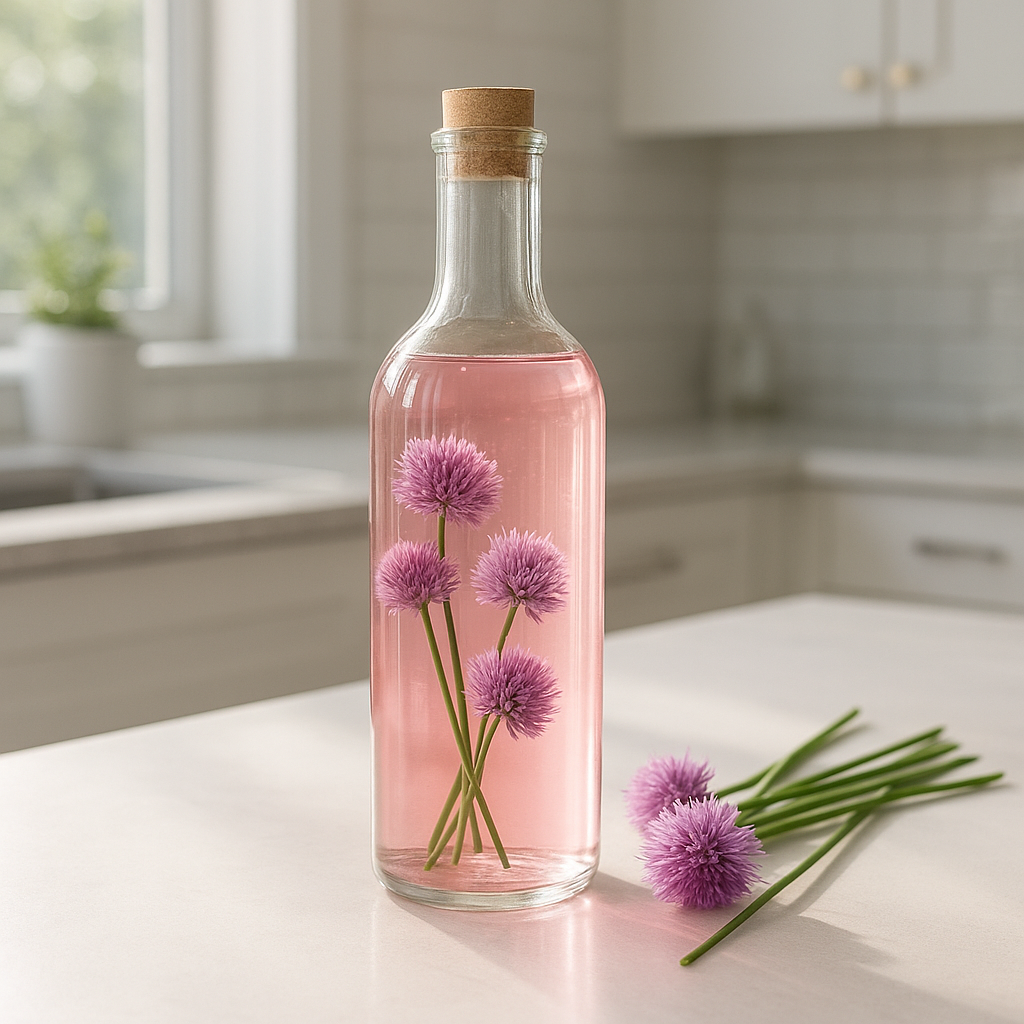
A Fast Infused Vinegar That Turns Spring Flowers Into Something Useful
There is a brief stretch every spring when chive plants stop looking like a garnish source and start throwing up purple blossoms all at once. They are pretty, edible, and easy to admire for a day or two, but if you have more than a few plants, the real question is what to do with them before the moment passes.
Chive blossom vinegar is one of the simplest answers. It takes very little work, gives you a mild oniony vinegar with a soft pink color, and turns a short-lived garden ingredient into something you can keep using long after the flowers are gone.
The short answer
- Fill a clean jar loosely with fresh chive blossoms.
- Cover them with vinegar.
- Let the jar infuse until the vinegar turns pink and lightly savory.
- Strain, bottle, and use it in dressings, marinades, and quick kitchen fixes.
- If your chive patch is blooming hard right now, this is one of the best ways to stay ahead of it.
If you want one useful kitchen project for chive blossoms, make the vinegar.
Why this works better than treating the blossoms like decoration
Chive blossoms have a gentle onion flavor, but most people only use a few petals as a garnish and leave the rest outside until they dry out. Infusing them into vinegar gives them a much clearer purpose. The result is not harsh or aggressively onion-heavy. It is brighter and more delicate, which makes it easier to use than many people expect.
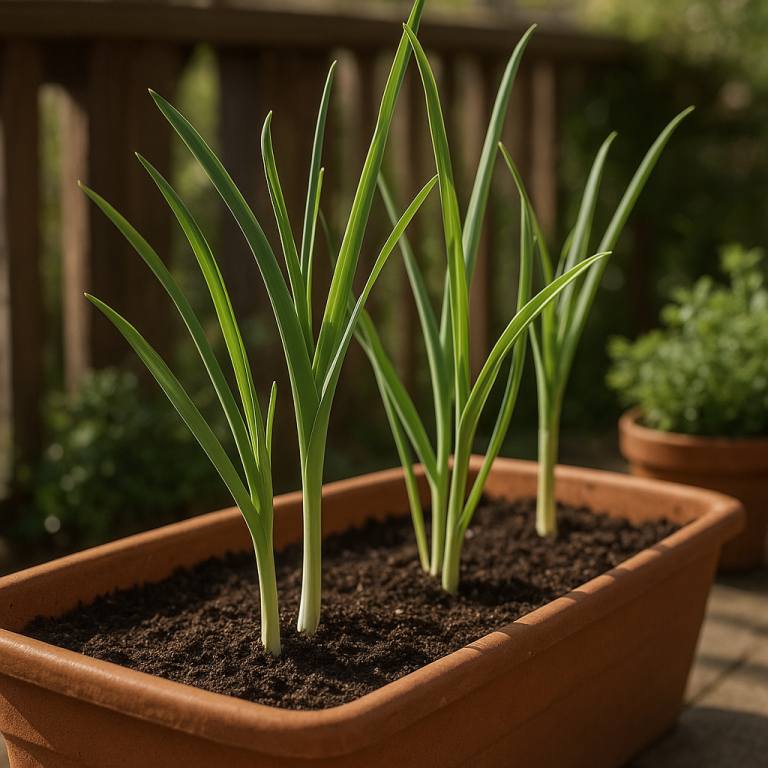
This also fits naturally with a home herb setup. If your chives are coming from pots or a small herb corner, see how to grow chives in pots without thin blades, crowded clumps, or weak regrowth. If you are building out a broader small-space herb setup, starting a balcony herb garden makes the kitchen payoff a lot more obvious.
What you need
- fresh chive blossoms
- white wine vinegar, champagne vinegar, or apple cider vinegar
- a clean glass jar with a lid
- a fine strainer
- a clean bottle or small jar for storage
White wine vinegar gives the cleanest look and flavor, but apple cider vinegar works if that is what you already keep in the house. Distilled white vinegar is usable, though it can taste sharper and less balanced.
How to make chive blossom vinegar
- Pick the blossoms when they are fresh and open. Skip any that look brown, spent, or soggy.
- Shake out bugs and rinse quickly if needed. Let the blossoms dry well before they go into the jar.
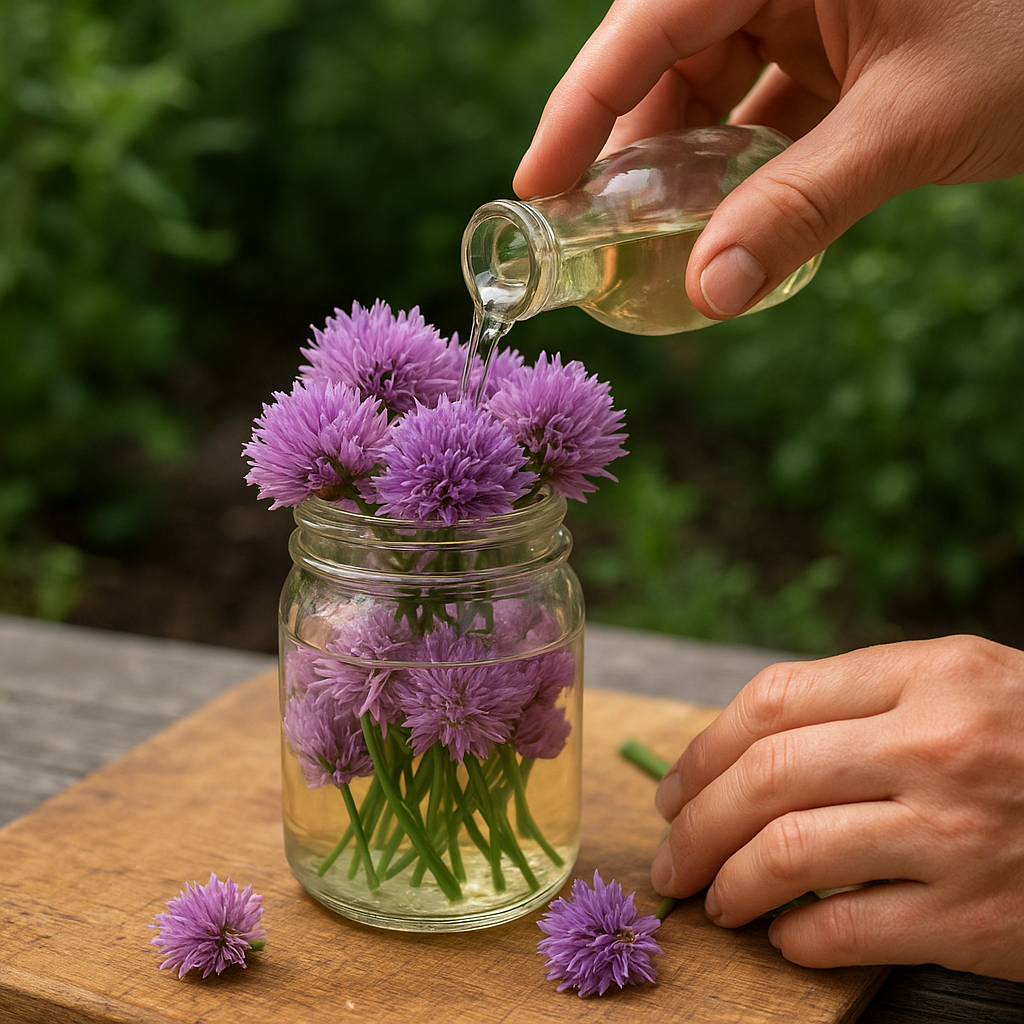
- Loosely fill the jar. Do not pack the flowers down hard. You want room for the vinegar to move around them.
- Pour in the vinegar. Cover the blossoms fully so no petals sit above the surface.
- Seal and let it infuse. Keep the jar in a cool spot out of direct sun.
- Strain when the flavor tastes right. Pour the finished vinegar into a clean bottle or jar and refrigerate if you want the freshest flavor.
The color usually starts changing quickly. The flavor keeps building after that, so taste it rather than relying only on the pink shade.
How long should it infuse?
Start tasting after about 3 days. Some batches are where you want them at that point, especially if the blossoms were very fresh and strongly scented. If you want a fuller savory note, let it go for up to a week or a little longer.
The goal is a vinegar that tastes lively and lightly oniony, not one that seems harsh or muddy. Once it gets where you want it, strain it. Leaving the blossoms in forever does not make it smarter.
The easiest ways to use it
- whisk it into a vinaigrette for green salads
- use it in potato salad or cucumber salad
- add a splash to quick-pickled onions or radishes
- stir it into a marinade for chicken
- use a little over roasted vegetables right before serving
- add brightness to bean salads or grain bowls
It is especially good in simple dressings where the flavor has room to show up. If your herb haul is bigger than the blossom window alone, you can also put the green growth to work with herb butter or buy yourself more time with a better fresh-herb storage setup.
Which vinegar is best?
White wine vinegar: best if you want a clean, bright result and a clearer pink color.
Champagne vinegar: a little softer and elegant if you already have it.
Apple cider vinegar: slightly fruitier and darker, but still very good.
If this is your first batch, white wine vinegar is the easiest place to start.
Common mistakes
Using tired blossoms
Fresh flowers make a cleaner vinegar. Once the blossoms start browning or collapsing, the result gets less appealing.
Letting petals stick up above the vinegar
Anything left exposed can discolor or spoil faster. Push the blossoms down gently so everything stays submerged.
Using a vinegar that is too aggressive
If the base vinegar tastes harsh on its own, the finished infusion usually will too.
Forgetting to strain it
Once the flavor is where you want it, strain it and move on. This is a quick kitchen project, not a forever science experiment.
Troubleshooting
My vinegar is pink but the flavor is weak
Color happens faster than flavor. Let it infuse longer, or start another batch with more blossoms per jar.
My vinegar tastes too sharp
The base vinegar may be the issue. Use the finished batch in dressings where oil softens the edge, and switch to white wine vinegar next time if you used distilled white.
The blossoms turned dull
That is normal as the infusion goes on. Judge the batch by smell and flavor, not by whether the flowers still look pretty.
FAQ
Are chive blossoms edible?
Yes. Both the blossoms and the petals are edible.
Do chive blossoms taste like onions?
Yes, but more gently than the green stems. The flavor is mild enough to work well in vinegar.
Do you need to refrigerate chive blossom vinegar?
It is usually fine in a cool dark spot, but refrigeration helps preserve the freshest flavor and color after straining.
Can you use the petals instead of whole blossoms?
Yes. Whole blossoms are easier, but separated petals also work if that is how you want to prep them.
The spring move worth making
Chive blossoms do not last long, which is exactly why this project is worth doing. A jar of infused vinegar turns a brief flush of spring flowers into something you will keep reaching for in real meals, which is a much better ending than watching the blossoms fade outside and thinking you should have done something with them.