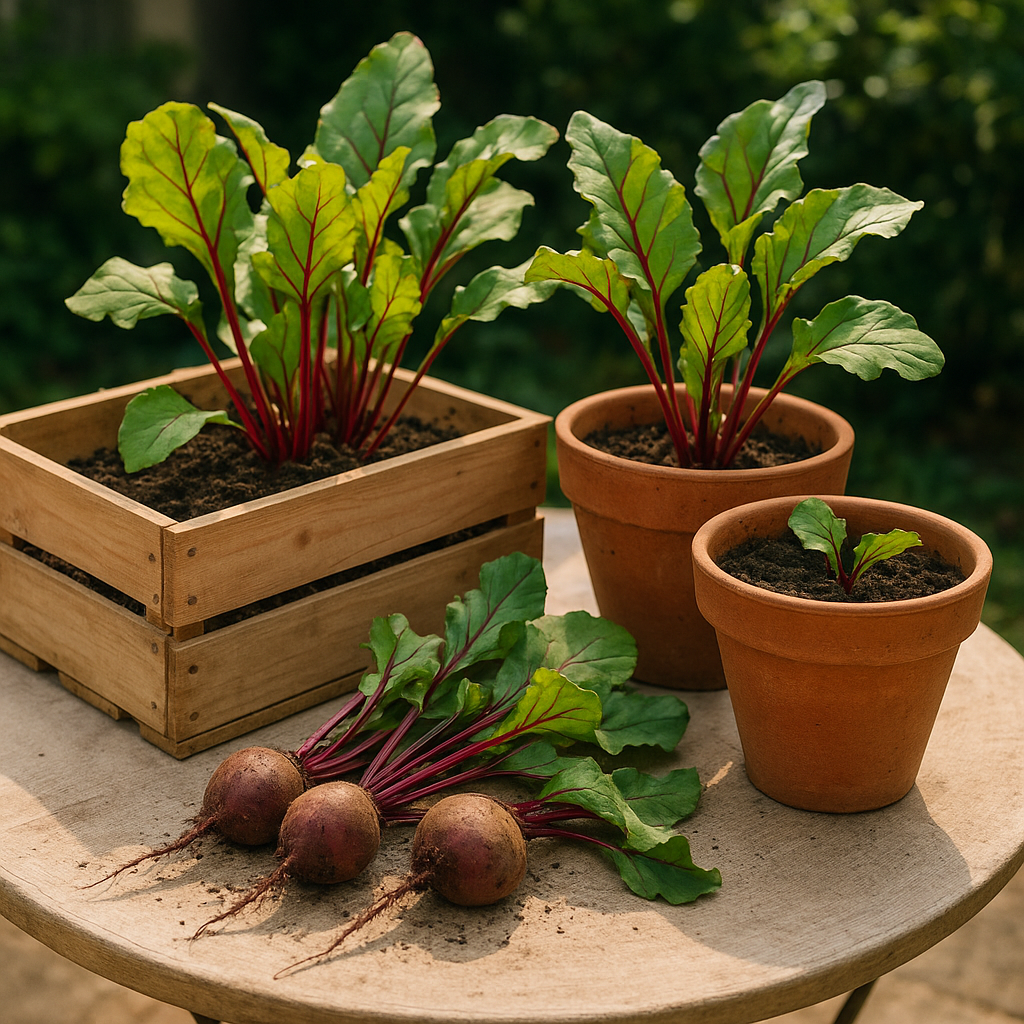
A cool-season container crop that rewards steady moisture, thinning, and timely harvests
Beets are one of the most useful root crops for containers because they do not need a huge footprint, they handle cool weather well, and the whole plant is usable. The same traits that make them easy also make them easy to crowd, under-thin, or leave in the pot too long. That is when you end up with plenty of leaves but disappointing roots, or nice roots that turn fibrous and oversized before you pull them.
If you give beets enough depth, keep the potting mix evenly moist, and thin them earlier than feels comfortable, they are a straightforward crop for patios, balconies, and small-space gardens. They also pair well with the same cool-season timing used for carrots in pots, radishes in pots, and a compact container salad garden.
The short answer
- Use a container at least 10 to 12 inches deep with good drainage.
- Sow beet seeds directly instead of transplanting if you want the smoothest roots.
- Thin seedlings hard so roots have room to size up.
- Keep the mix evenly moist, especially while roots are swelling.
- Do not overfeed with high-nitrogen fertilizer.
- Harvest while the roots are still medium-sized and tender instead of waiting for giant beets.
Those six steps prevent most beet problems in containers.
Why beets work well in containers
Beets are compact compared with many fruiting vegetables. They do not need a giant trellis, they tolerate some cool weather, and they grow fast enough to fit into shoulder-season gaps before summer heat gets aggressive. That makes them a practical choice for gardeners who want something more substantial than greens but less demanding than tomatoes or peppers.
- Best season: cool spring and fall weather.
- Light: full sun is best, though beets tolerate a bit of light shade better than tomatoes or peppers.
- Container fit: deep pots, window boxes with enough depth, and fabric grow bags all work if drainage is good.
- Bonus: you can eat both the roots and the greens.
Pick the right container first
Depth matters more than width at the start. Beets do not need a huge volume of soil, but they do need enough vertical room for the root to form cleanly.
- Minimum depth: about 10 inches.
- More forgiving depth: 12 inches or a little more.
- Container type: plastic, terracotta, glazed pots, and grow bags can all work.
- Drainage: non-negotiable. Soggy roots lead to slow growth and rough texture.
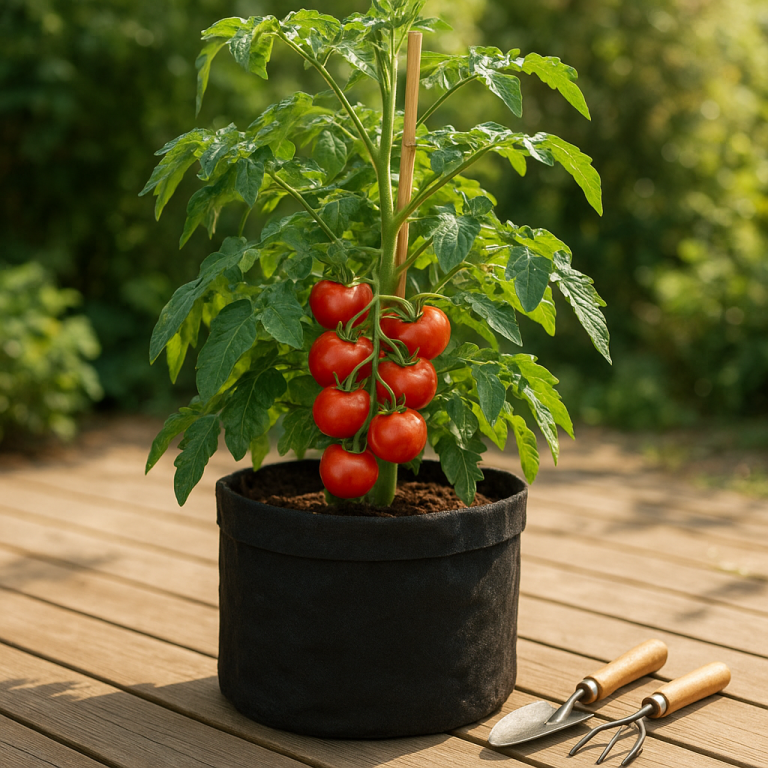
If your containers dry fast in wind or heat, fabric pots may need extra attention. This guide on using grow bags for vegetables helps if that is part of your setup.
Start with direct sowing, not transplants
Beets usually do best when you sow them directly into the container where they will finish. Root crops can survive transplanting, but every bit of root disturbance raises the odds of misshapen or stalled roots.
Use a loose potting mix, water it before sowing if it is bone dry, and plant seeds roughly half an inch deep. Beet “seeds” are actually seed clusters, so one spot can produce more than one seedling. That is why thinning is part of the plan from the start, not a sign that something went wrong.
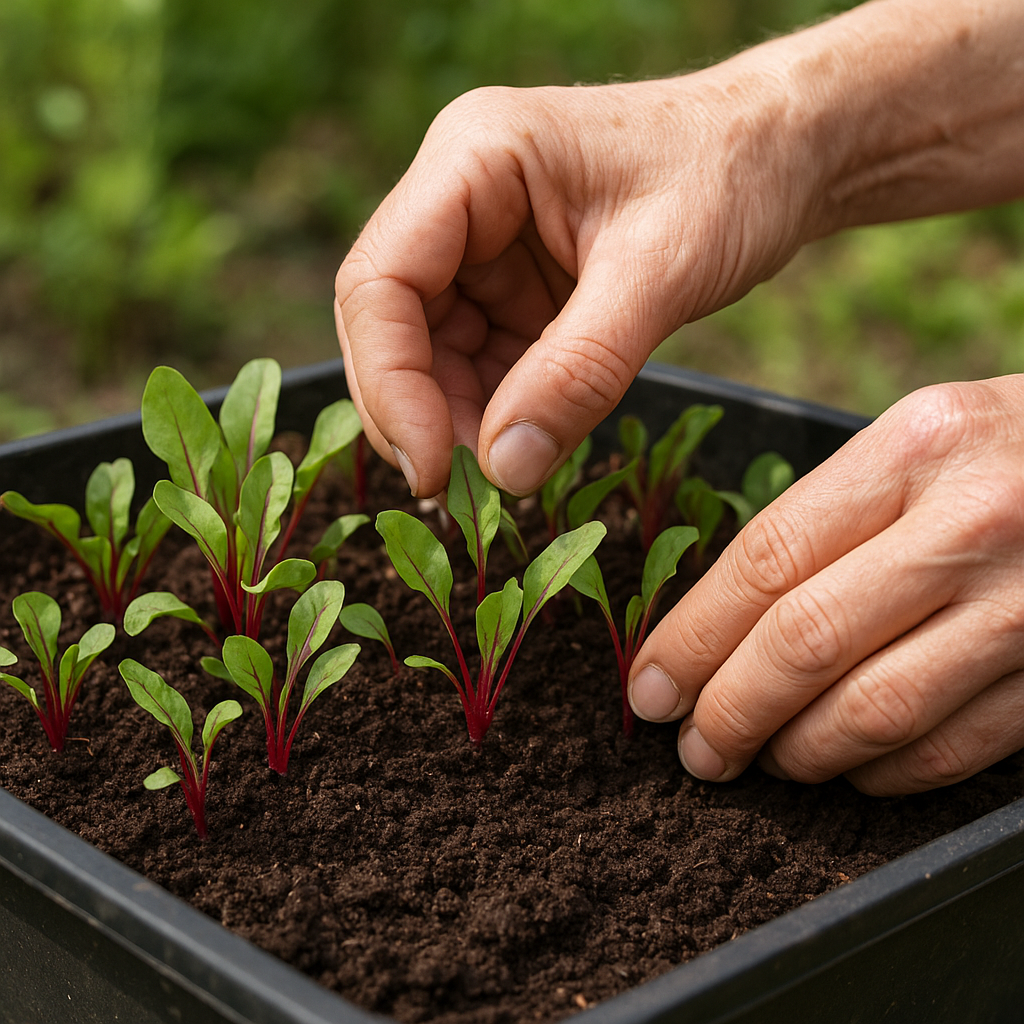
The thinning step most people avoid
Crowding is the main reason container beets fail. When seedlings are packed together, they compete for light, moisture, and root space. You may still get plenty of leaves, but the roots stay small or grow unevenly.
- Thin the first time once seedlings are a couple of inches tall.
- Aim for about 3 inches between plants for small to medium roots.
- Give 4 inches if you want larger roots.
- Snip extras at the soil line instead of yanking them out if roots are tangled.
It feels harsh, but under-thinning is usually a bigger mistake than thinning too much.
How to water beets in pots
Beets like steady moisture, not swampy soil and not long dry stretches. If the container keeps swinging from dry to soaked, roots can turn tough, crack, or grow more slowly than they should.
- Water deeply enough to moisten the whole root zone.
- Check the mix with a finger instead of watering on autopilot.
- Do not let the container get powder dry while roots are sizing up.
- Add a light mulch layer if the top is drying too fast.
Once summer heat arrives, container watering gets harder across the board. If your patio runs hot, use this hot-weather watering guide to keep the root zone steadier.
How much fertilizer beets actually need
Beets do not need heavy feeding. Too much nitrogen can push lush top growth while the roots lag behind. If the foliage is huge and the roots are disappointing, that is one of the first things to suspect.
- Start with a decent container mix rather than poor soil that needs rescuing.
- Use a balanced fertilizer lightly if growth is slow or the mix is not very fertile.
- Avoid chasing huge leaves with repeated nitrogen-heavy feedings.
If your whole container setup needs a clearer feeding plan, this fertilizer guide for vegetables in pots is the better reset.
When to harvest for the best texture
Container beets are usually best before they get oversized. A root around golf-ball to tennis-ball size is often sweeter and more tender than one left to become massive. The exact timing depends on variety and growing conditions, but the main idea is simple: do not wait forever just because the greens still look healthy.
- Brush away a little surface mix to check root size.
- Harvest smaller for tender roasting and salads.
- Pull larger only if they still feel firm and smooth.
- Twist or cut the tops, but leave a little stem on the root if you want less bleeding in the kitchen.
You can also harvest a few outer greens while the plants are growing, but do not strip them so hard that the roots lose their engine.
Common problems and what usually causes them
Lots of leaves, tiny roots
The usual causes are crowding, too much nitrogen, too much shade, or not enough time in cool growing weather.
Woody or fibrous texture
This often happens when roots stay in the pot too long or grow through dry-stress cycles.
Cracked roots
Uneven watering is the first thing to check, especially after a dry spell followed by a heavy soak.
Misshapen roots
Compacted mix, root disturbance, or containers that are too shallow can all do it.
Seedlings vanish or stall early
Cold snaps, crusted mix, shallow watering, or pest damage on tiny seedlings can all slow the first stage.
Troubleshooting
My beets only made greens
Thin harder, cut back on nitrogen, and make sure the container gets enough sun. If the plants are too crowded, the roots rarely size up properly.
The roots are small but the weather is turning hot
Pull the best roots before heat makes quality worse, then switch that container to a warm-season crop. Beets are usually happier in cool windows than in peak summer stress.
My pot keeps drying out too fast
Use mulch, water more deeply, and consider moving dark containers away from the hottest reflective surfaces. If the container is small, the simplest fix may be sizing up next round.
Can I succession-sow beets in the same container?
Yes. Small sowings every couple of weeks work better than one giant planting if you want a steadier harvest.
Quick FAQ
How deep should a pot be for beets?
Aim for at least 10 inches deep, with 12 inches giving you more room for clean root development.
Can you grow beets in grow bags?
Yes, as long as the bag is deep enough and you stay ahead of watering. Grow bags dry faster than rigid containers in sun and wind.
Do beets need full sun?
Full sun is best, but beets handle a little light shade better than many summer vegetables.
Should you soak beet seeds before planting?
You can, but it is optional. Even moisture after sowing matters more than a pre-soak for most container setups.
Can you eat beet greens from container plants?
Yes. Pick a few outer leaves at a time, but leave enough foliage for the roots to keep developing well.
The short version
Beets in pots are mostly a matter of space, moisture, and timing. Use a deep container, direct-sow the seed, thin earlier than you want to, keep the root zone evenly moist, and harvest before the roots turn oversized and woody. Do that, and container beets are one of the cleaner, easier cool-season crops to keep in rotation.