What the black patch means and how to keep the next tomatoes clean
Blossom-end rot looks dramatic, but it usually points to a care problem you can correct. The classic sign is a dark, sunken patch on the bottom of a tomato, opposite the stem. It often starts on the first flush of fruit and shows up fastest in pots and grow bags because container roots deal with bigger swings in moisture, heat, and feeding.
In most cases, blossom-end rot is not caused by a tomato disease spreading through the plant. It happens when the fruit cannot get enough usable calcium while it is developing. That can happen even when calcium is present in the potting mix. The more common trigger is uneven watering, stressed roots, or growth that is being pushed too hard.
The practical fix is simple: steady the root zone, keep water consistent, avoid overfeeding, and stop chasing miracle cures. A few damaged fruits may be lost, but the next ones can still develop normally if the plant settles down.
The short answer
- Remove badly affected fruit so the plant can put energy into new growth.
- Water deeply and consistently instead of letting the pot swing from dusty dry to soaked.
- Mulch the surface to slow evaporation.
- Do not dump extra fertilizer on a stressed plant.
- Use a large enough container and avoid root disturbance.
- Judge improvement by the next fruit, not the damaged fruit that is already on the plant.
If you follow those six steps, blossom-end rot usually slows down or stops on later tomatoes.
How to tell whether it is really blossom-end rot
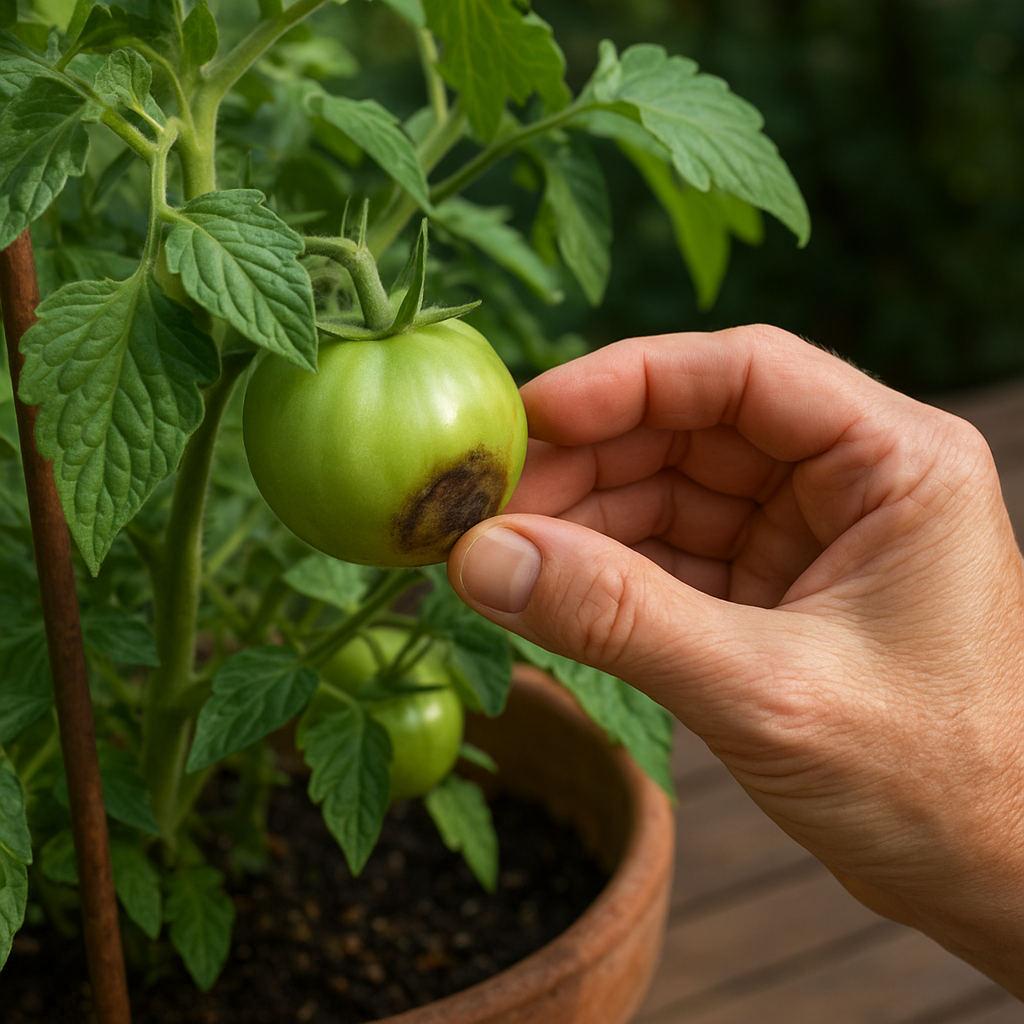
Look at the blossom end of the tomato, not the stem end. Early on, the spot may look pale, tan, or slightly water-soaked. Later it turns brown to black, flattens, and sinks in. The rest of the fruit can still look normal for a while.
- Typical location: the bottom of the fruit where the flower was.
- Typical texture: leathery or sunken, not fuzzy.
- Typical pattern: often appears on the earliest fruit during a period of stress.
- What it is not: a contagious tomato disease spreading from one fruit to another.
If the fruit is rotting from the stem side, splitting after rain or irrigation swings, or developing mold, you may be dealing with a different problem.
Why container tomatoes get it so often
Tomatoes in pots live in a small root zone that can change fast. Warm sun, wind, and fruit load can dry the mix much faster than the foliage suggests. Then a heavy watering or hard rain swings the plant back the other way. That kind of stop-start rhythm makes it harder for developing fruit to receive calcium evenly.
- Small containers: dry too fast and leave less room for steady root growth.
- Grow bags: breathe well, but often need more frequent watering in sun and wind.
- Overfeeding: very fast top growth can outpace what the roots can supply.
- Root damage: rough transplanting, cultivation, or crowded roots reduce uptake.
- Heat stress: hot patios and reflective surfaces magnify moisture swings.
If your setup is a fabric container, compare it with this tomato grow bag guide. If the whole container garden is drying faster than expected, this hot-weather watering guide helps you reset the routine.
What to do right now if you already see it
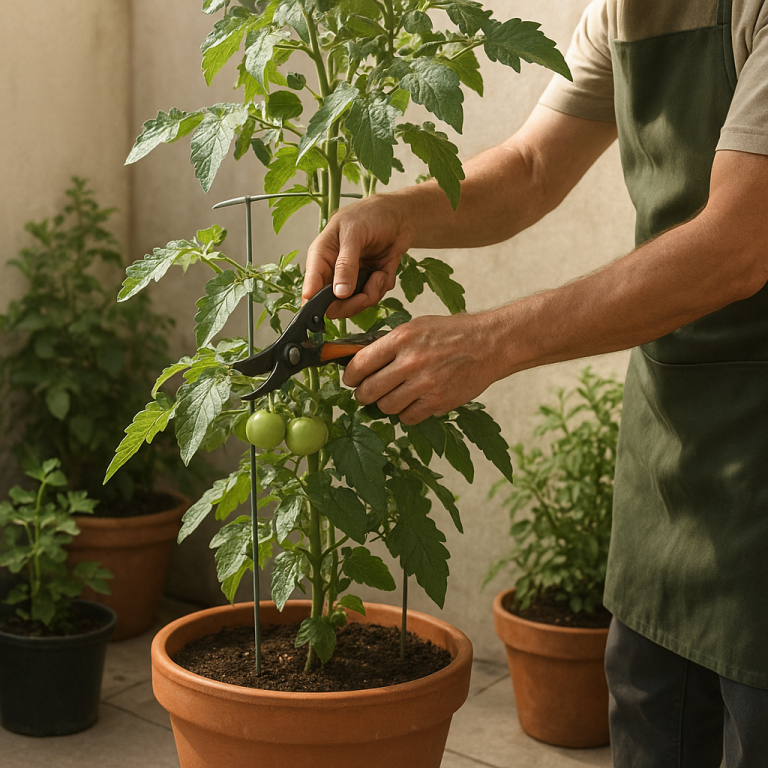
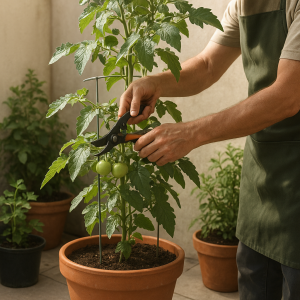
- Remove the worst fruit. Damaged tomatoes do not recover into perfect fruit. Removing them keeps the plant focused on the next set.
- Check the root zone today. Push a finger a couple of inches into the mix. If it is dry there, the plant needs a deep watering, not a quick sprinkle.
- Water slowly until the whole container is wet. The goal is even moisture through the root ball.
- Add a light mulch layer. Shredded leaves, straw, or fine bark help slow evaporation.
- Pause on strong fertilizer. If the plant has been stressed, more feed is often the wrong first move.
- Watch the next fruit cluster. Improvement shows up on new tomatoes, not on the ones already scarred.
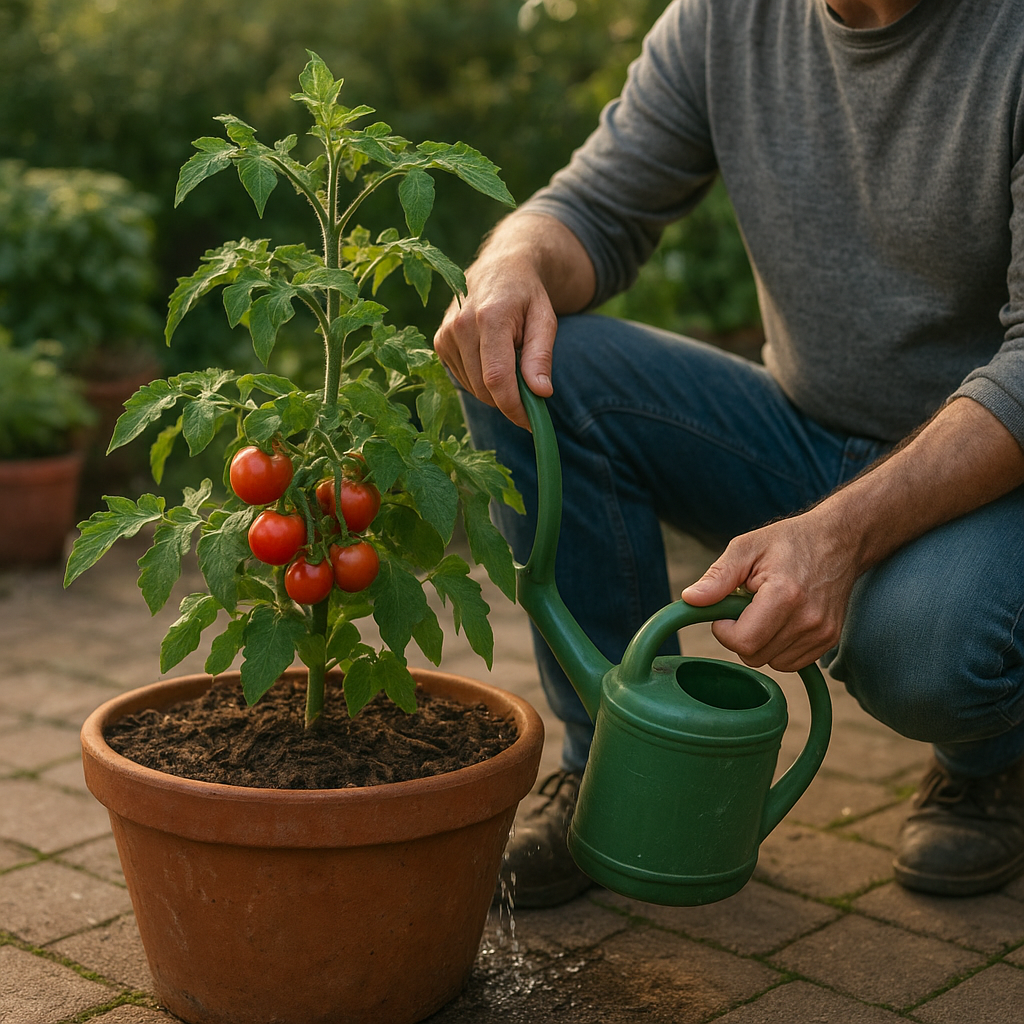
How to prevent blossom-end rot in pots
1. Use a container that gives the roots some buffer
A tomato can survive in a too-small pot, but it usually will not fruit cleanly or consistently there. Bigger containers hold moisture more evenly and give the roots more room to stay active during heat.
- Aim for at least 10 gallons for many tomatoes.
- Fifteen gallons is more forgiving for full-size varieties and hot patios.
- One plant per container is usually easier than crowding two together.
2. Keep the moisture even, not perfect by the clock
The best routine is a daily check and a deep watering when the root zone is drying, especially once the plant is flowering and fruiting. Shallow splashes wet the surface and leave the deeper roots stressed.
- Water in the morning when possible.
- Wet the whole container, not just one spot near the stem.
- Let excess drain out instead of leaving the pot waterlogged.
- During heat or wind, expect to check again later in the day.
3. Mulch the top of the pot
Container gardeners skip mulch too often. A thin layer on top of the mix slows evaporation, reduces surface crusting, and helps the pot stay more stable between waterings.
4. Feed steadily instead of reacting in bursts
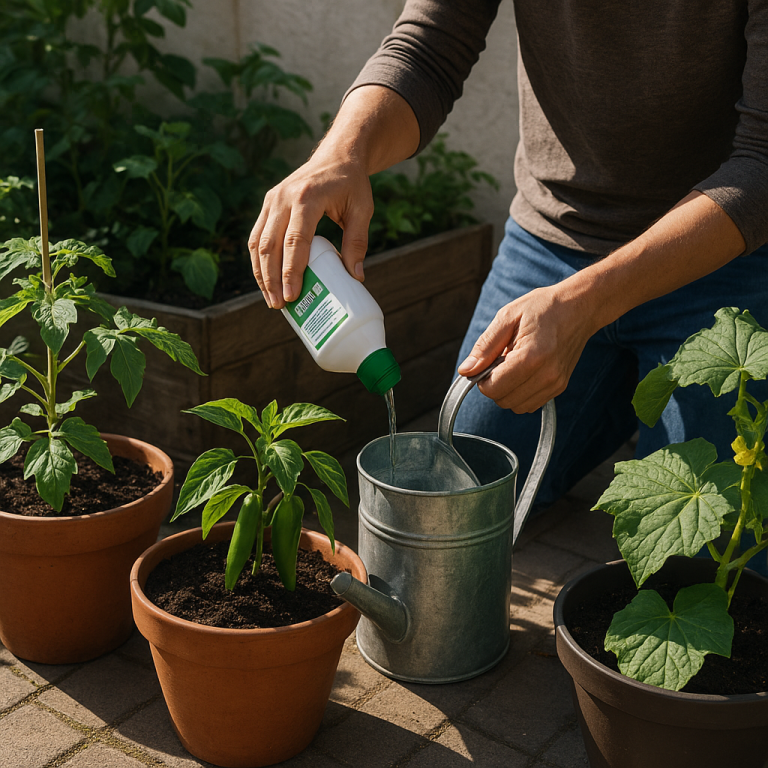
Tomatoes need nutrition, but blossom-end rot is not usually fixed by dumping on more fertilizer. Heavy feeding, especially with lots of nitrogen, can push lush growth that makes the underlying water problem worse. If you need to revisit the feeding plan, use a steadier container fertilizer routine instead of adding random extra products.
5. Protect the roots from avoidable stress
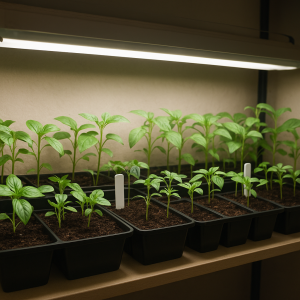
Rough transplanting, cramped roots, and repeated disturbance can all make calcium movement worse. If you are planting up seedlings now, handle roots carefully and plant once instead of shifting the tomato through a series of undersized containers.
If you still have seedlings waiting to move out, this transplanting guide covers the part that often causes the first setback.
Do eggshells, calcium sprays, or antacids fix it fast?
Usually not in the way people hope. If the main problem is uneven watering or root stress, adding a homemade calcium trick to the pot does not solve the reason the fruit is struggling. Eggshells also break down too slowly to act like an instant rescue. Foliar products and quick fixes may sound convincing, but steady moisture and calmer root conditions usually matter more.
If your potting mix is fresh and your fertilizer is reasonable, assume care consistency is the first thing to fix before shopping for another supplement.
Can you still eat the tomatoes?
If the damaged area is small and the rest of the fruit is firm, many people simply cut away the bad portion and use the unaffected part. If the tomato is badly collapsed, moldy, or soft throughout, compost it instead.
Quick FAQ
Is blossom-end rot caused by a lack of calcium?
The fruit is failing to get enough usable calcium while it develops, but the deeper reason is often uneven watering, stressed roots, or overly fast growth rather than a pot that contains no calcium at all.
Will the damaged tomatoes recover?
No. Focus on improving conditions for the next fruit set instead of trying to save scarred fruit.
Can overwatering cause blossom-end rot too?
Yes. The problem is not only drought. Roots that stay stressed in waterlogged or compacted mix can also struggle to move calcium efficiently.
Should you remove affected fruit?
Yes, especially the badly damaged ones. That makes it easier to monitor whether new fruit is coming in clean after you adjust care.
Do peppers get blossom-end rot too?
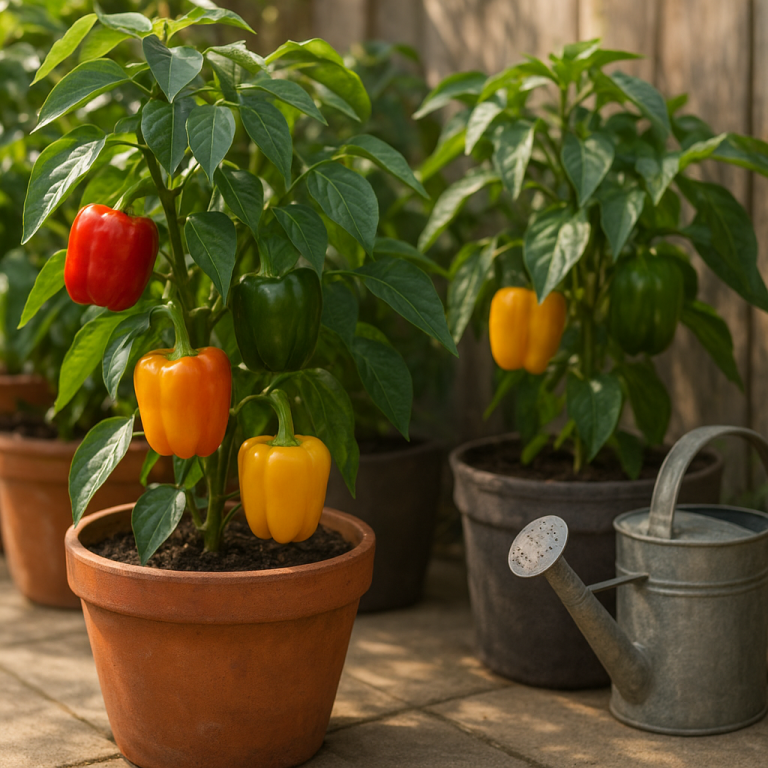
They can. The same ideas apply: steady moisture, healthy roots, and a container setup that does not swing wildly between stress and recovery.
The short version
Blossom-end rot on potted tomatoes is usually a root-zone stability problem before it is anything else. Keep the container large enough, water deeply and evenly, mulch the surface, avoid heavy-handed feeding, and judge success by the fruit that forms after you make those changes. That is what usually turns the plant around.