A Compact Patio Pepper That Produces Heavily and Stays Easy to Manage
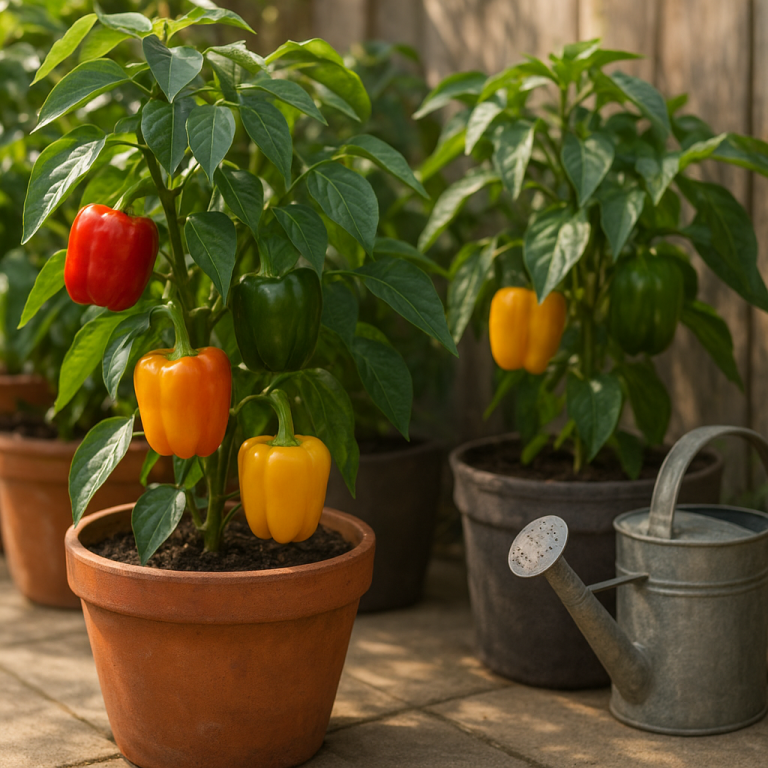
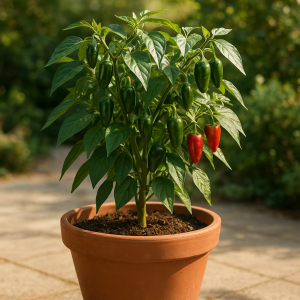
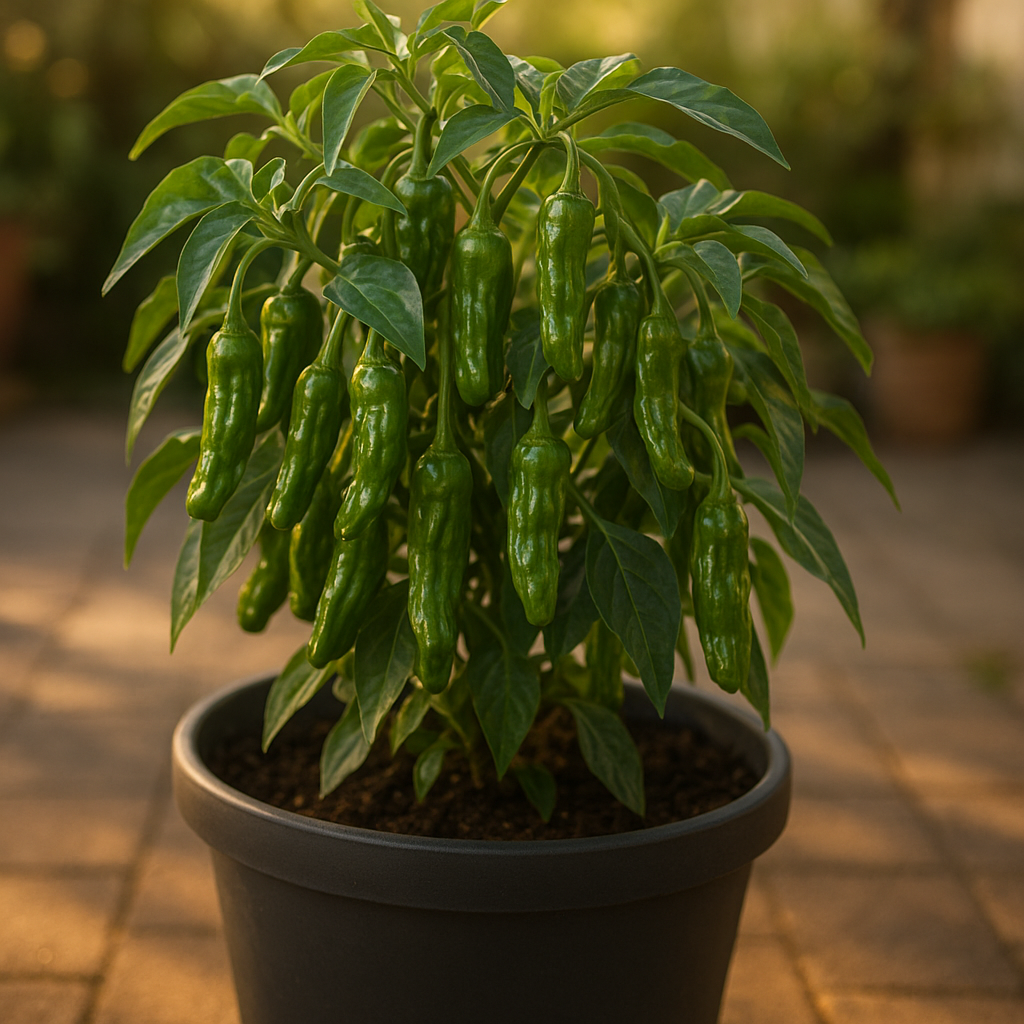
Shishito peppers are one of the best peppers for containers because the plants stay manageable, set lots of slender fruit, and fit well into a patio or balcony setup that does not have room for sprawling summer vegetables. They are productive without needing a giant pot, and the harvest is useful whether you want to blister them in a skillet, skewer them for the grill, or toss them into a quick stir-fry.
Most trouble with shishitos in pots comes from the same three pressure points: the plant goes out too early into cool weather, the container dries harder than the grower realizes, or the fruit sits exposed in harsh heat and starts to scorch before the plant is really in stride. If the setup stays warm, evenly watered, and supported early, shishitos are much easier than their reputation suggests.
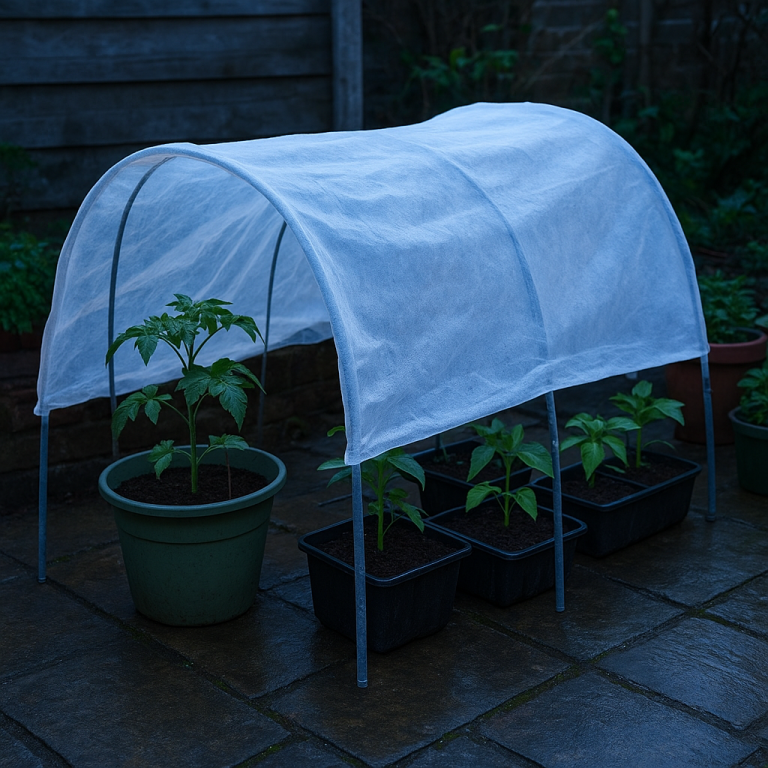
If you are starting with nursery plants or seedlings you raised yourself, move them outside carefully. This guide on hardening off seedlings will help you avoid the cold shock and leaf burn that can slow peppers for weeks.
The short answer
- Grow one shishito plant per container in a pot that holds at least 3 to 5 gallons.
- Wait until frost is past and nights are reliably mild before leaving the plant outdoors full time.
- Use fresh potting mix, full sun, and a position with good airflow.
- Water deeply whenever the upper layer dries, but do not let the root ball swing from dusty to soaked.
- Feed lightly and steadily instead of pushing heavy nitrogen.
- Harvest often while the peppers are glossy green and still tender.
Get those basics right and one compact plant can keep producing for a long stretch.
Why shishito peppers work so well in pots
Some peppers need a long season and a lot of root space before they feel generous. Shishitos are more forgiving. The plants are usually smaller than large bell peppers, the fruit sets in clusters, and the harvest is useful before the peppers fully mature. That combination makes them a strong fit for patios, balconies, and small backyards.
- Plant size: compact enough for containers without feeling cramped immediately.
- Harvest style: you pick many peppers over time instead of waiting on a few giant fruits.
- Kitchen payoff: the peppers are best when picked green, so the useful harvest starts earlier.
- Good for warm small spaces: containers warm quickly, which peppers generally appreciate once the season is truly settled.
If you are comparing them with other patio crops, the broad container logic is similar to this guide on growing peppers in pots, but shishitos tend to reward frequent harvesting more quickly than larger pepper types.
Choose a container that stays stable in heat
Shishito plants do not need the biggest pot in the yard, but they do need enough root room to hold moisture through warm afternoons. Tiny decorative pots make the plant harder than it needs to be because the mix overheats, dries fast, and forces constant recovery.
- Minimum: 3 gallons for a small plant if you are attentive about watering.
- Better: 5 gallons for a steadier root zone and less summer stress.
- Best shape: a pot wide enough to stay balanced once the plant is full of fruit.
- Non-negotiable: drainage holes that actually let excess water escape.
Use one plant per pot. Trying to crowd two peppers into one container usually creates more watering trouble than extra yield.
Use potting mix that drains well but does not go bone dry fast
Peppers want oxygen around the roots, but they also want moisture that does not vanish the moment the sun gets serious. A quality potting mix made for containers is the easiest starting point. Heavy garden soil compacts in pots and makes root problems much more likely.
- Fill the container with fresh potting mix rather than reusing tired, salty mix from last season unless you have refreshed it well.
- Mix in a little compost if you want a broader nutrient buffer.
- Leave some headspace at the top so water does not run off immediately.
- Add a light mulch layer once the plant is established to reduce moisture swings.
If you are growing several summer vegetables in containers, this guide on fertilizing vegetables in pots gives a useful framework for keeping the mix productive without overdoing it.
Give shishitos full sun after the weather is truly warm
Shishito peppers want sun, but sun only helps when the plant is not also fighting cold nights or a root zone that keeps getting stressed. Wait until the season has properly turned before treating them like a settled summer crop.
- Aim for: at least 6 to 8 hours of direct sun.
- Watch for: reflected heat from pale walls, concrete, and metal railings that can intensify exposure.
- Move if needed: if the plant is on an especially brutal patio, a little late-afternoon relief during extreme heat can protect fruit quality.
The most common early mistake is believing one warm day means pepper season has started. Peppers do not care how encouraging one Saturday felt if the next week drops back into chilly nights.
Water for consistency, not rescue mode
Blossom drop, thin harvests, and leathery fruit often trace back to uneven moisture. A container pepper that repeatedly dries hard and then gets drenched never settles into smooth production. The goal is a root zone that stays evenly moist without turning stagnant.
- Water slowly until excess drains from the bottom.
- Check the pot daily once temperatures climb and the plant is flowering.
- Do not rely only on the top surface because containers can look damp above and be dry lower down.
- Mulch helps, but it does not replace paying attention during hot spells.
When every container starts drying faster than expected, use this guide on watering container plants in hot weather to reset your rhythm before the plant starts dropping flowers.
Feed enough to keep fruit coming, not enough to build a leaf factory
Shishitos are productive, but they still punish overfeeding. Too much nitrogen gives you a handsome green plant that delays flowering and acts busy without actually making many peppers.
- Start with a decent potting mix instead of trying to correct weak mix by pouring on fertilizer.
- Use a balanced fertilizer at label rate once the plant is established.
- If the plant is lush and leafy but slow to fruit, do not respond by feeding harder.
- Container peppers usually do better with steady moderation than dramatic boosts.
If you are already growing tomatoes or beans nearby, resist the urge to treat every crop exactly the same. A pepper plant that looks dark green and comfortable usually needs less intervention than people think.
Support the plant before the branches lean outward
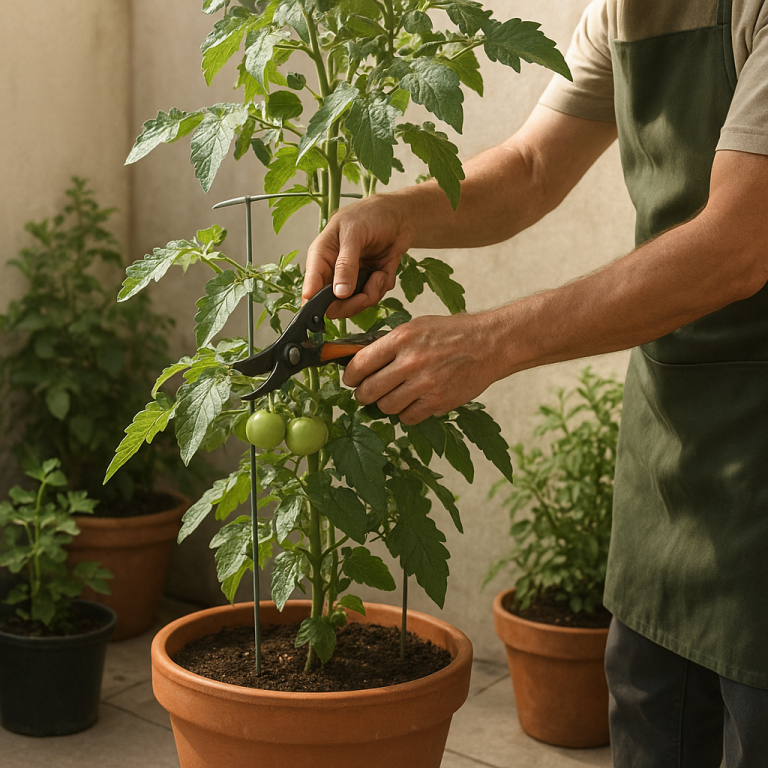
Shishitos are usually less top-heavy than big bells, but a productive plant can still start splaying once the fruit count climbs. A thin stake, ring, or small cage is enough for most containers and is much easier to add early than after the branches are already loaded.
You do not need aggressive pruning. Remove damaged leaves, badly crowded inner growth, or anything obviously rubbing and breaking, but the main job is support and airflow, not sculpting the plant into something fancy.
When to harvest shishito peppers
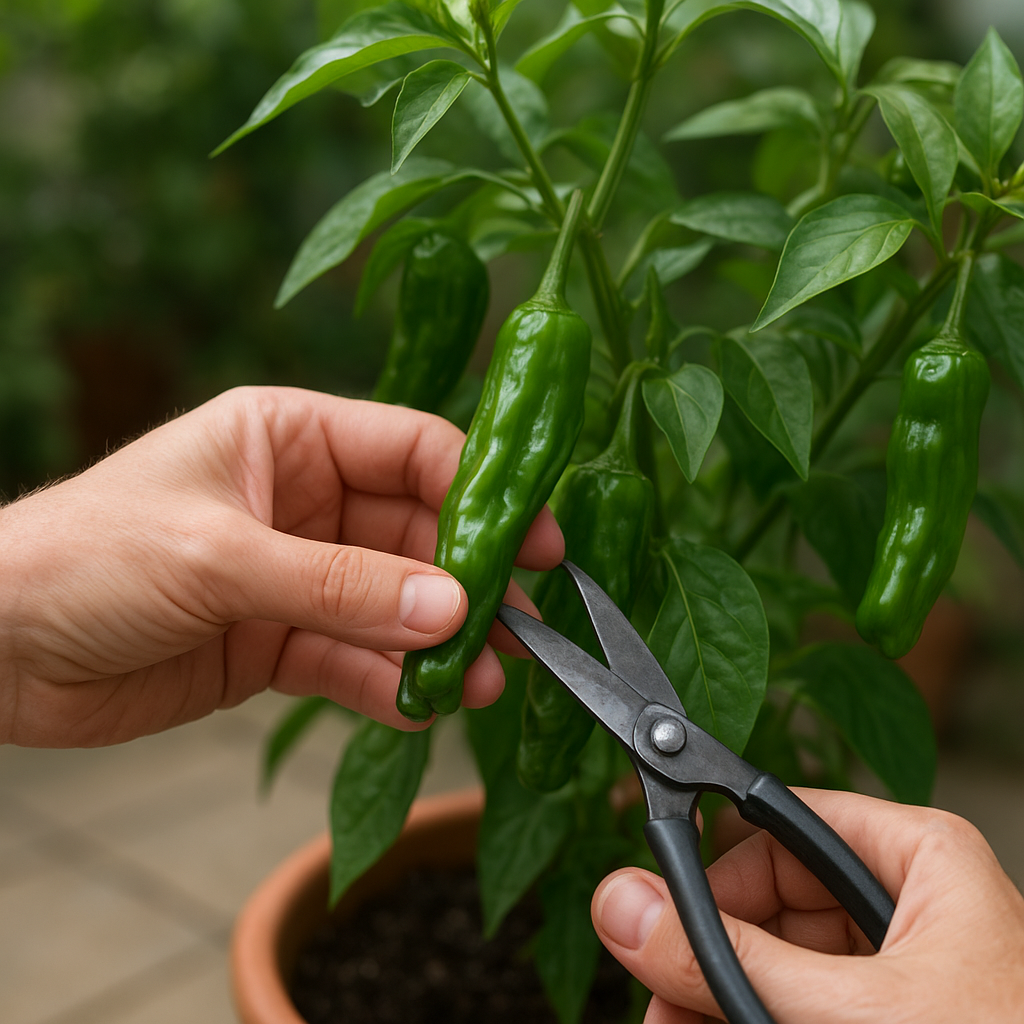
Pick them while they are bright to medium green, glossy, and about finger length. That is when the texture is tender and the flavor is best for blistering whole. You can let some ripen to red, but most home cooks prefer the classic green harvest stage.
- Harvest often once production starts.
- Use scissors or pruners if stems feel tough.
- Do not leave every mature pepper hanging at once or the plant may slow down.
- Check the plant every day or two during peak production.
One reason shishitos are so useful is that the harvest window feels broad. You do not need to wait for oversized fruit, and the plant responds well to being picked regularly.
Common shishito pepper problems in containers and the fastest fixes
Flowers keep dropping
This usually points to stress rather than a mysterious pepper disease. Cool nights, hard dry swings, and sudden heat can all interrupt fruit set. Steadier warmth and more even moisture usually solve more than any bottled product.
The peppers have pale or papery patches
That is often sunscald. Fruit that sits exposed during harsh afternoon sun can bleach and toughen. Good leaf cover helps, as does preventing drought stress that thins the canopy.
The plant looks healthy but is making very few peppers
Check three things first: temperature, fertilizer, and harvest habit. Cool nights can stall peppers for a long time, too much nitrogen can push leaves over fruit, and old fruit left hanging can slow new set.
Leaves are curling or sticky
Aphids often target tender pepper growth. Catch them early before they distort new growth and coat everything in residue. This guide on getting rid of aphids, fungus gnats, and mealybugs covers the cleanest response before the problem spreads.
The plant stopped growing after transplanting
Peppers hate a rough start. If the weather was still cool, the roots were disturbed, or the plant went straight from sheltered conditions into strong sun and wind, it may sit still for a while. Once warmth settles in, growth often resumes.
Quick FAQ
Can shishito peppers grow well in pots?
Yes. They are one of the better peppers for containers because the plants stay manageable and produce a lot of harvestable fruit from a modest footprint.
How big should the container be for one shishito pepper plant?
A 3-gallon pot can work, but 5 gallons is a better long-season setup because it keeps moisture more stable.
Do shishito peppers need a stake?
Usually yes. A small support keeps the plant upright once it starts carrying a heavy run of fruit.
Should shishito peppers be harvested green or red?
They are most often harvested green when the skin is glossy and tender, though you can let some ripen red if you want a sweeter, riper flavor.
The short version
Grow shishito peppers in a warm, sunny spot with one plant per roomy container, consistent watering, and moderate feeding. Support the branches early, pick the peppers often while they are still green and glossy, and do not rush the plant out into cool weather. That combination is what turns a compact patio pepper into a long, steady harvest instead of a plant that spends summer recovering from preventable stress.