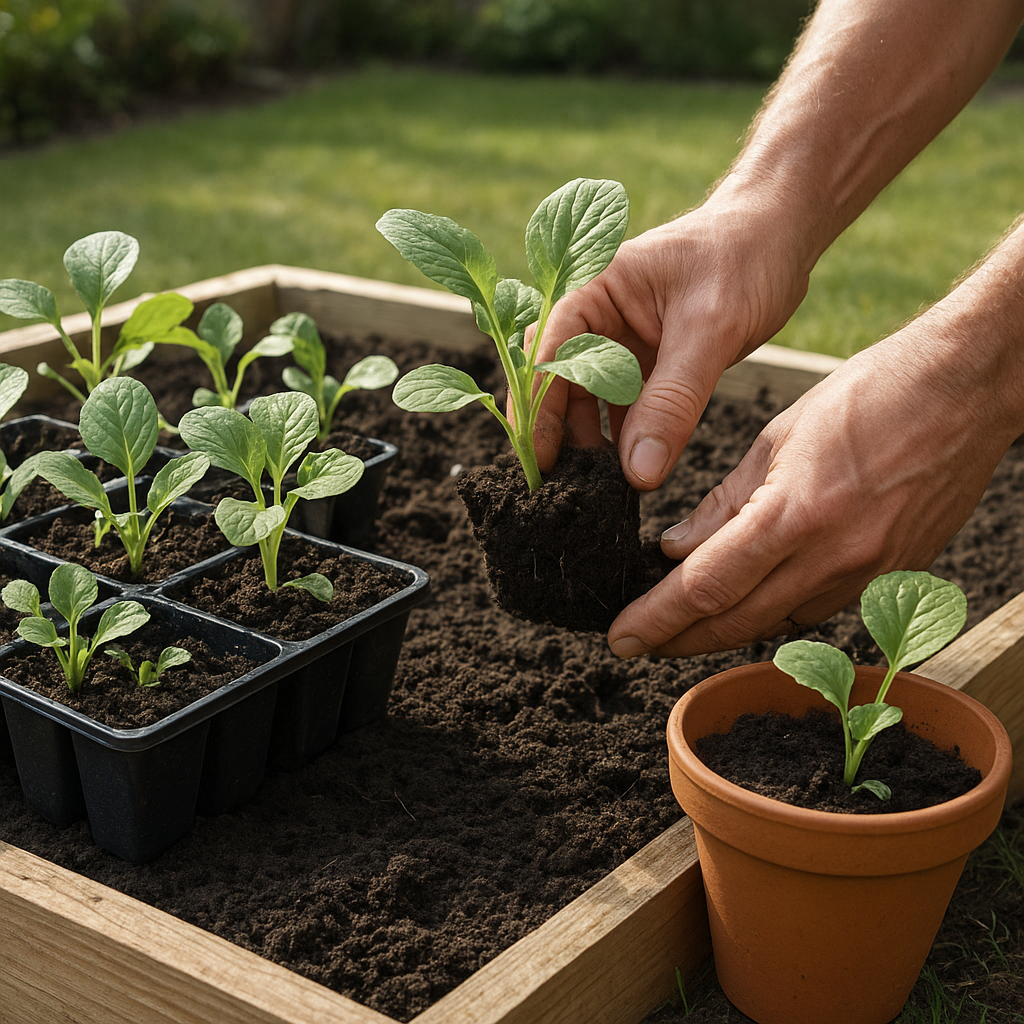
A Safer Move from Starter Tray to Garden Bed or Patio Pot
Seedlings can look perfect indoors and still fall apart after transplanting. The usual problems are not mysterious. Roots get torn, stems get handled too roughly, the planting hole is not ready, or the weather is harsher than the plant can handle that day.
If you want seedlings to keep growing instead of sitting still for a week, the goal is simple: move them quickly, disturb the roots as little as possible, and give them a calm first few days in their new spot.
The short answer
- Transplant only after seedlings have several true leaves and a root ball that holds together.
- Water the seedlings and prepare the planting holes before you remove anything from the tray.
- Handle seedlings by the root ball or leaves, not by pinching the stem.
- Plant at the proper depth for the crop and firm the soil gently around the roots.
- Water them in right away and protect them from extra stress for the next day or two.
That is the whole game. Most transplant trouble comes from rushing one of those steps.
When a seedling is actually ready to transplant
A bigger seedling is not always a better seedling. You want a plant that is developed enough to move, but not so overgrown that it is already stressed in the tray.
- Several true leaves: not just seed leaves.
- A root ball that stays together: the plug should slide out mostly intact instead of falling apart.
- Stocky growth: short, sturdy stems transplant better than stretched, floppy ones.
- No severe stress: yellowing, wilt, or root binding makes the move harder.
If the seedlings have been growing indoors, take care of the outdoor transition first. Hardening off seedlings and transplanting are connected, but they are not the same step.
What to do before you touch the tray
Preparation matters more than speed. Set the new space up first so the roots spend as little time exposed as possible.
- Water the seedlings an hour or two before transplanting if the mix feels dry.
- Pre-moisten dry container mix or garden soil if it has crusted over.
- Dig all planting holes before removing the first seedling.
- Set out labels, mulch, supports, or cages ahead of time if the crop needs them.
- Choose a mild part of the day. Morning or early evening is usually easier than hot midday sun.
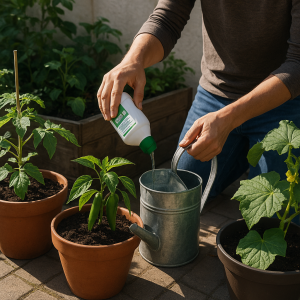
If the final home is a container, make sure the setup itself is worth transplanting into. This guide on fertilizing vegetables in pots helps with the next stage once the seedlings are established.
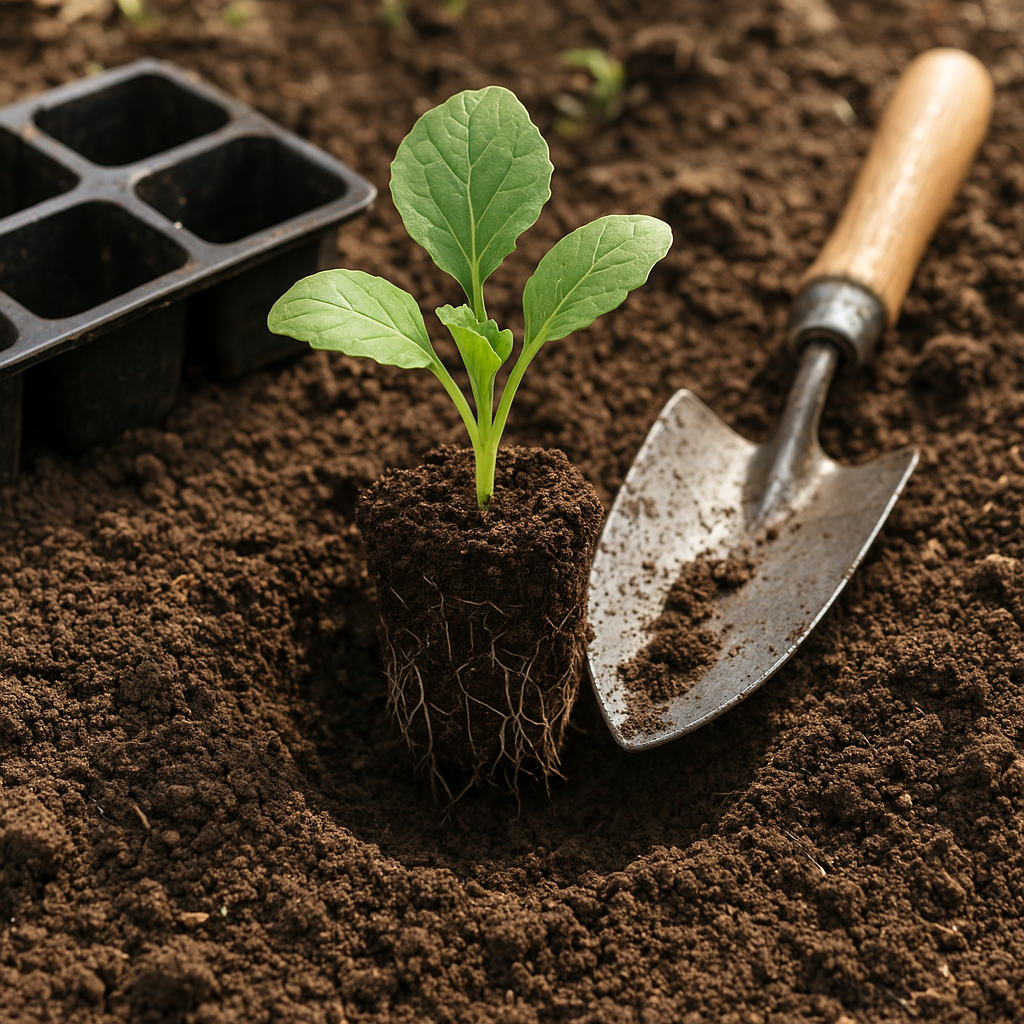
How to transplant seedlings step by step
- Loosen the seedling gently. Squeeze the cell from the sides or push from the bottom if the tray allows it.
- Lift by the plug or a leaf when possible. Avoid squeezing the stem. A crushed stem does not recover the way a bent leaf can.
- Keep the root ball together. Do not shake off all the mix just to get a cleaner-looking transplant.
- Set the seedling at the right depth. Most crops should sit at the same depth they were growing before. Tomatoes are one of the common exceptions and can be planted deeper.
- Backfill gently. Press the soil in enough to remove big air gaps, but do not mash it into a brick.
- Water immediately. A thorough watering settles soil around the roots and helps the plant reconnect with moisture fast.
How deep should you plant different seedlings?
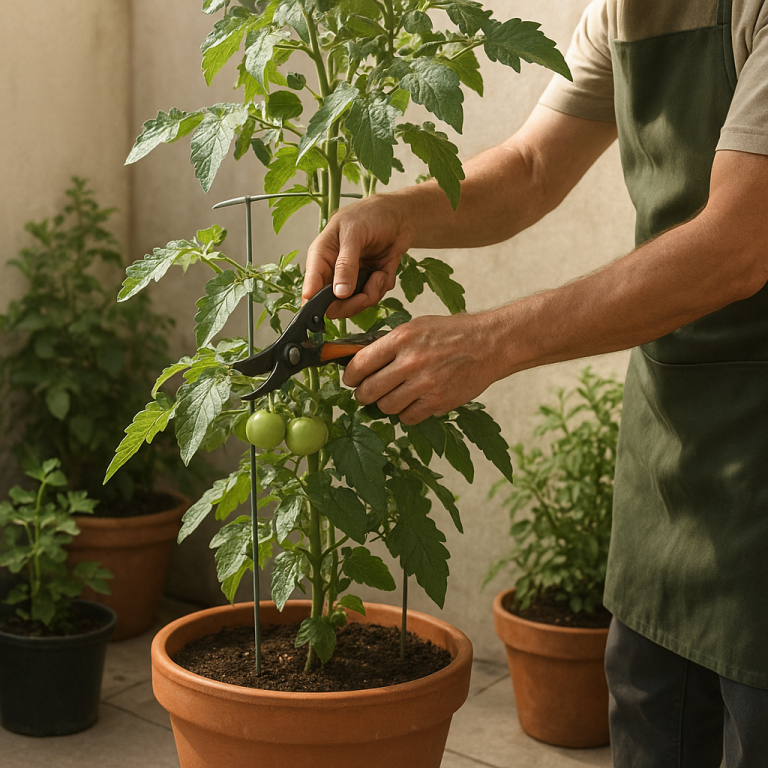
- Tomatoes: can usually go deeper because buried stems can root along the stem.
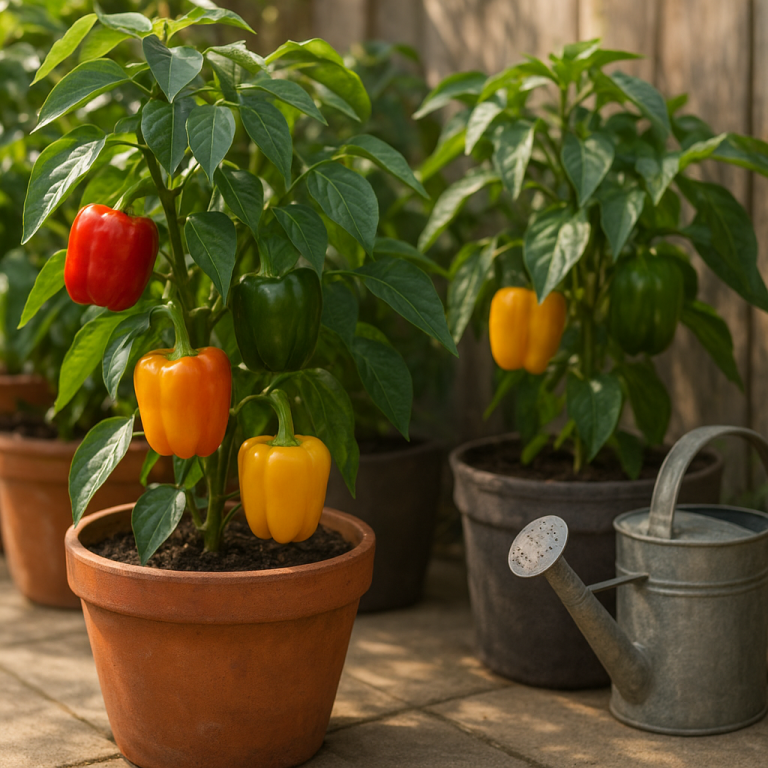
- Peppers: usually do best at roughly the same depth they were growing in the pot.
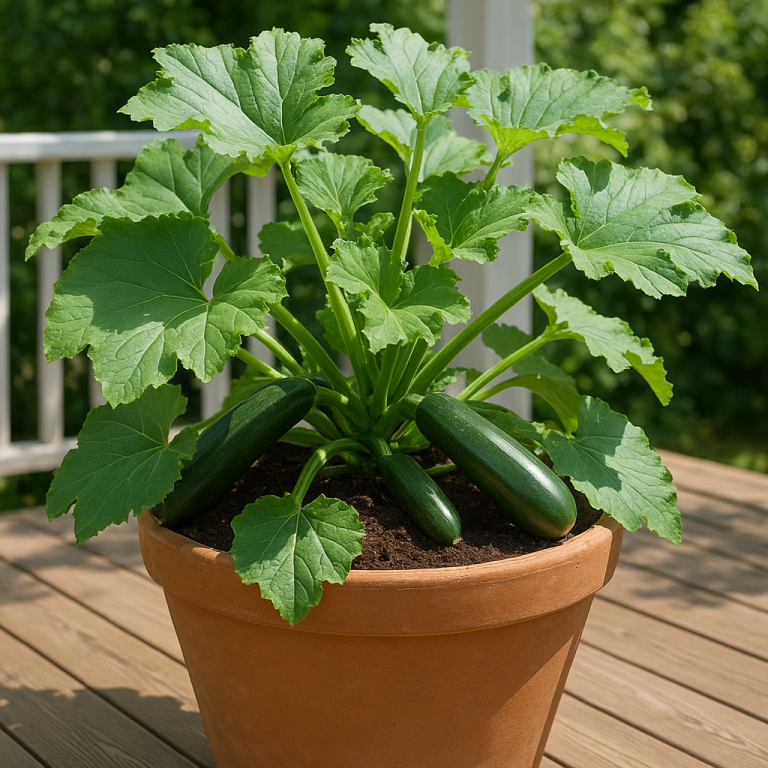
- Lettuce, herbs, brassicas, cucumbers, and squash: usually stay at the same soil level as the starter cell.
- Onions and alliums: do not bury them much deeper than they were already growing.
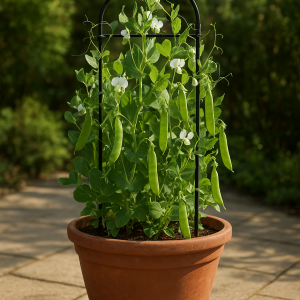
If you are transplanting into patio containers, the spacing and pot size still matter after a good move. Related crop guides for cherry tomatoes, peppers, and container salad gardens go deeper on crop-specific setup.
Bed vs. container transplanting
Into a garden bed
- Make sure the soil is loose enough that roots can push outward.
- Watering after transplanting may need to soak deeper than it does in trays.
- Mulch can help hold moisture and reduce the first wave of stress.
Into a pot or grow bag
- Use fresh potting mix, not dense yard soil.
- Do not put a tiny seedling into an oversized container and then keep it soggy.
- Expect containers to dry faster after transplanting, especially in wind.
For a more general move into a larger container, repotting without root damage uses the same low-drama principles.
What to do right after transplanting
- Water thoroughly once the seedling is planted.
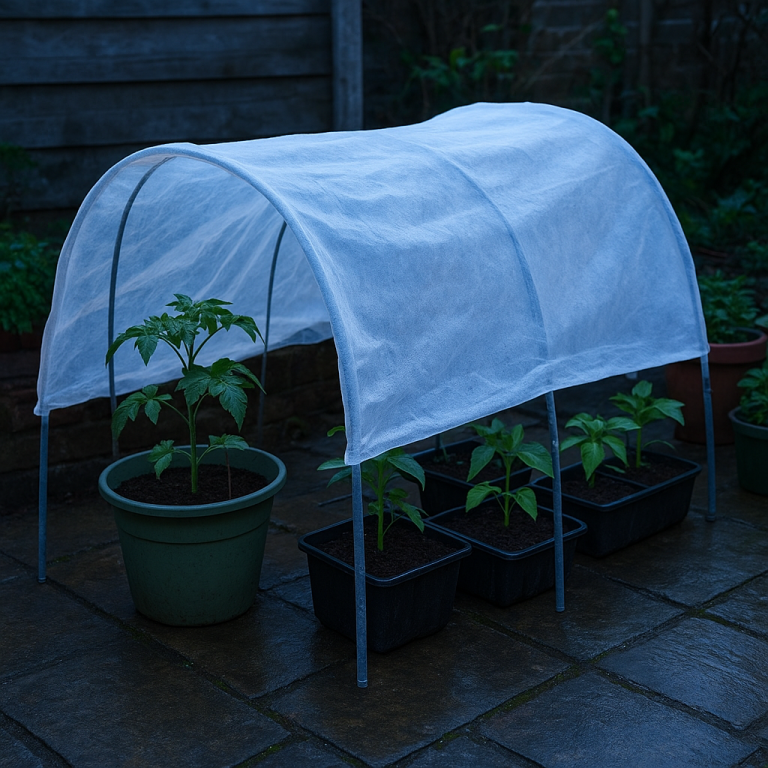
- Protect it from rough wind and extreme afternoon sun for the first day or two if needed.
- Do not fertilize heavily on day one.
- Keep the soil evenly moist while roots settle in, but do not leave the area waterlogged.
Fresh transplants are easy to overlove. They need steadiness more than extras.
Common transplant mistakes
Handling seedlings by the stem
The stem is the one part you should treat like glass. Hold the plug, the tray, or a leaf instead.
Transplanting into dry soil
Dry soil pulls moisture away from a fresh root ball fast and makes the first watering less effective.
Moving leggy seedlings too late
Overgrown seedlings are more fragile, tip over more easily, and usually take longer to recover.
Stacking stress
Do not combine transplanting with a harsh hardening-off day, deep pruning, strong fertilizer, and blazing afternoon sun if you can avoid it.
Troubleshooting after transplanting
The seedlings wilted right away
Mild droop can be normal for a few hours. If they stay limp, check soil moisture, sun exposure, and whether the roots were damaged during the move.
Nothing has grown for several days
That is often transplant shock or cold stress. Warm-season crops slow down especially hard if nights are still chilly.
Leaves look burned after transplanting
That points more to sun or wind exposure than to the transplant itself. The move may have been fine, but the conditions were too abrupt.
The root ball fell apart during planting
Plant it anyway, but be gentler with watering and shade afterward. Next time, water first and transplant a little earlier before the seedling gets stressed in the cell.
FAQ
Should you water seedlings before transplanting?
Yes. Slightly moist plugs slide out more cleanly and protect the roots better than bone-dry ones.
Can you transplant seedlings on a sunny day?
Yes, but mild, cloudy, or lower-light parts of the day are easier. Avoid the hottest stretch if you have a choice.
How long does transplant shock last?
Minor slowdown may pass in a few days. If a plant keeps declining for a week or more, check temperature, moisture, and root handling rather than waiting it out blindly.
Should you fertilize right after transplanting?
Usually not heavily. Let the roots settle first unless you are using a mild starter solution that fits the crop and setup.
The short version
Good transplanting is mostly about reducing chaos. Move seedlings before they get overgrown, keep the root ball together, plant at the right depth, water them in well, and avoid piling on extra stress. Do that, and most seedlings stop acting delicate and start growing again.