A Small-Space Salad Planter That Keeps Producing Instead of Turning Bitter, Crowded, or Patchy
A container salad garden is one of the fastest ways to get useful food from a balcony, porch, patio, or small yard. It works because the crops are quick, the containers do not need to be huge, and you can harvest a little at a time instead of waiting months for one big payoff.
The part that goes wrong is usually the same: too many seeds in one box, greens that bolt as soon as the weather warms, or a planter that gives one heavy flush and then nothing worth cutting. If you want a salad container that stays productive, build it around cool-season crops, steady moisture, and repeat harvesting from the start.
The short answer
- Use a wide container that is at least about 6 to 8 inches deep and drains well.
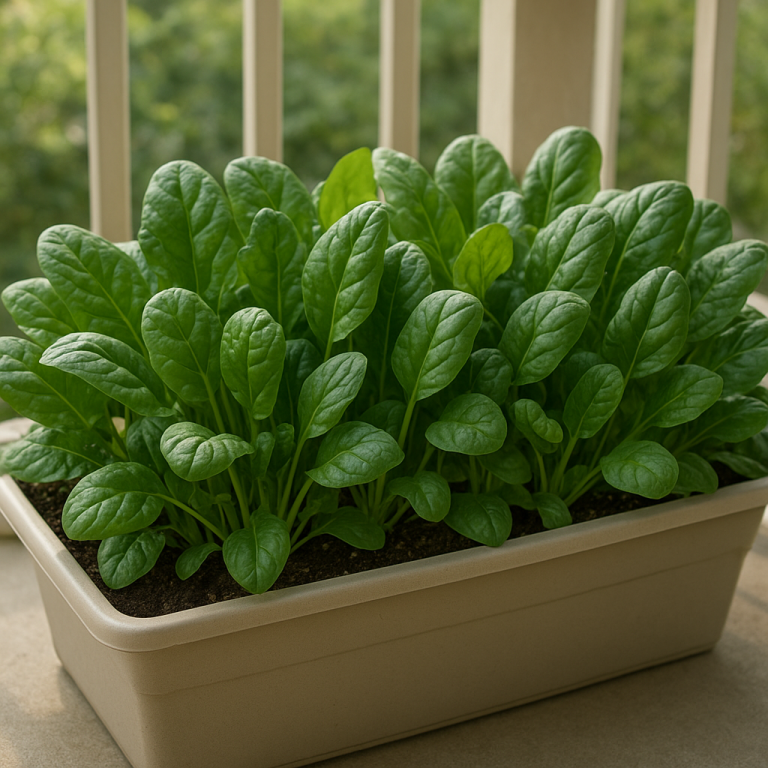
- Grow mostly cut-and-come-again crops such as loose-leaf lettuce, spinach, arugula, green onions, chives, and parsley.
- Add quick root crops like radishes in the edges or corners instead of filling the whole box with them.
- Sow in small sections every 1 to 2 weeks rather than planting everything on the same day.
- Keep the mix evenly moist and protect the planter from harsh afternoon heat once spring starts warming up.
- Harvest outer leaves often so new growth keeps replacing what you cut.
If those six things are right, a container salad garden gets much easier to manage.
Why a salad garden works so well in containers
Salad crops are a strong match for containers because most of them are shallow rooted, fast growing, and best harvested young. You do not need a deep raised bed to get results. One window box, one wide bowl, or a small group of patio pots can supply steady handfuls of greens if you keep reseeding and cutting on schedule.
This kind of setup also makes it easier to group crops by season. Cool-weather greens can have the prime spot in spring, then you can replant the same container once heat-loving crops make more sense.
If you want crop-by-crop detail after setting up the planter, these guides go deeper on lettuce, spinach, radishes, and green onions.
Choose crops that share the same pace and season
The simplest container salad gardens rely on crops that like cool weather and recover well from light harvesting. That usually means building around leafy greens first, then using a few supporting crops for flavor and texture.
- Best base crops: loose-leaf lettuce, baby spinach, arugula, and salad mixes
- Good supporting crops: green onions, chives, parsley, and cilantro in gentler spring weather
- Quick extras: radishes around the edges where you can pull them before the greens need more room
- Less useful here: large heading lettuces or bulky crops that occupy the whole box for too long
If you also want a separate herb container nearby, starting a balcony herb garden works well alongside a salad planter because the harvesting rhythm is similar even when the care is not identical.
Use a wide container instead of a deep, cramped pot
Width matters more than extreme depth for most salad crops. A broad container lets you sow short rows or little blocks, thin properly, and harvest without tearing up the whole planting. For most greens, about 6 to 8 inches of depth is enough. If you want fuller green onions or a slightly bigger buffer against dry spells, 8 to 10 inches is even better.
- Use a window box, trough planter, wide round pot, or raised planter with drainage holes.
- Choose fewer larger containers instead of many tiny decorative pots.
- Make sure water can drain out fully after a thorough watering.
- Skip heavy garden soil and use fresh potting mix made for containers.
Tiny containers create most of the stress. They dry out faster, heat up faster, and leave almost no room to correct mistakes.
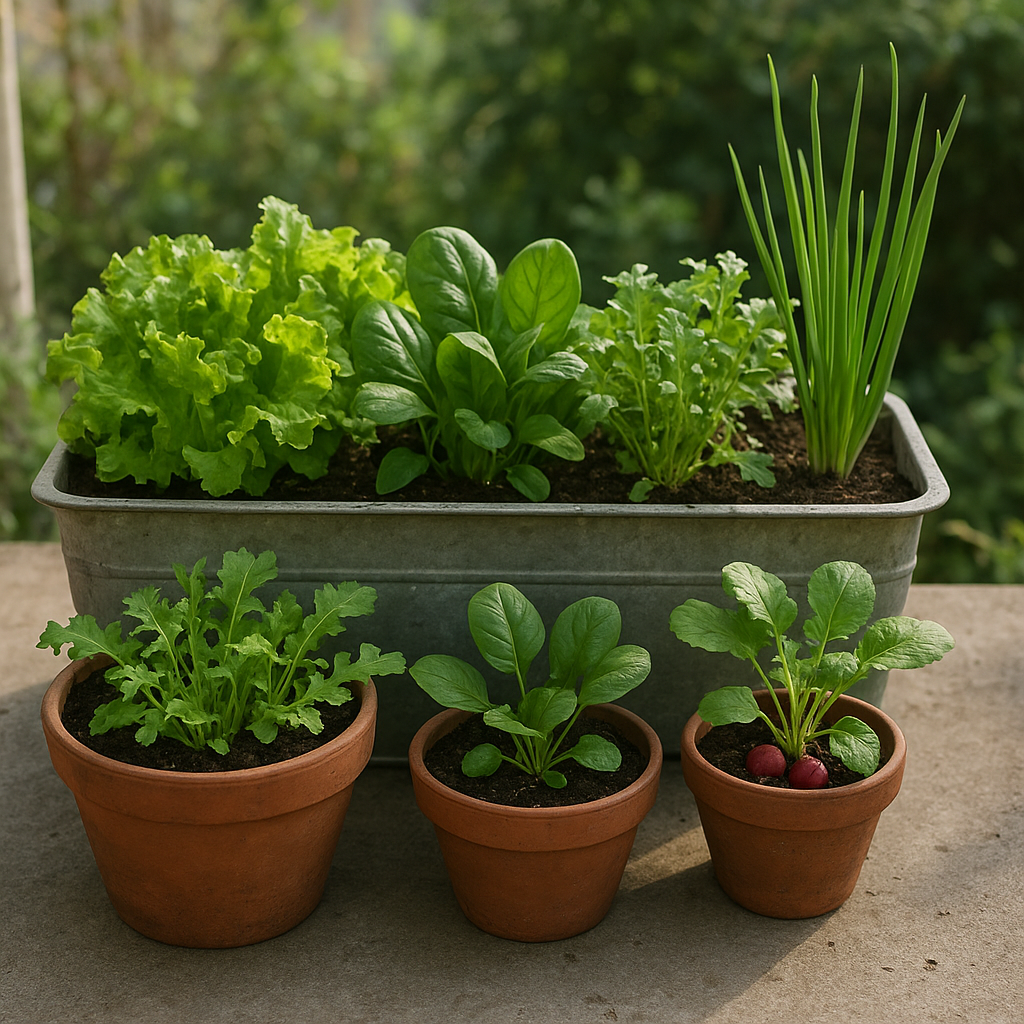
Lay out the planter before you sow anything
A little layout planning prevents the usual tangle of over-sowing. Think in zones instead of scattering seed everywhere.
- Center or largest section: lettuce, spinach, or mixed baby greens
- Front edge: radishes or green onions that are easy to pull or snip
- Corner pockets: parsley, chives, or a few cilantro plants if the weather is still cool
- Empty gap: leave room for a follow-up sowing instead of planting every inch on day one
That last part matters. A productive salad planter usually has a little open space reserved for the next sowing rather than one overcrowded first round.
Sow lightly, then thin earlier than you want to
Most container salad failures start with too many seeds. The seedlings come up thick, look promising for a week, and then spend the rest of the month competing. Airflow drops, leaves stay wet, and roots never get the room they need.
- Moisten the potting mix before sowing so the first watering does not shove seed into one corner.
- Sow in short bands or blocks instead of broadcasting heavily across the whole surface.
- Thin baby greens enough that leaves can dry and expand without rubbing constantly.
- Pull radishes on time so they do not become space hogs for the greens around them.
If you are transplanting seedlings that started indoors, harden them off before moving them into the planter. This guide on hardening off seedlings helps avoid the usual first-week setback.
Give the planter bright light, but not the kind that cooks it
In cool spring weather, most salad crops handle full sun well. Once afternoons start heating up, the same container can shift from productive to stressed surprisingly fast. Morning sun with some relief later in the day often keeps leaves tender longer.
- Cool conditions: more direct sun is usually helpful.
- Warming late spring: some afternoon shade often slows bolting and bitterness.
- Hot balconies and patios: watch for reflected heat from walls, railings, and concrete.
When summer crops need the sunniest spot, move the salad planter somewhere a little gentler instead of forcing it to survive peak heat.
Keep moisture even or the leaves turn tough fast
Salad crops notice water stress early. Lettuce turns bitter, spinach toughens, radishes crack, and herbs stall. The goal is not soggy soil. The goal is a root zone that stays lightly and evenly moist.
- Water deeply enough that the whole root zone gets wet.
- Check containers often during warm or windy stretches.
- Use mulch if the surface is drying too quickly.
- Do not rely on a fixed calendar if the weather is changing week to week.
If spring heat arrives suddenly and every pot starts drying faster than expected, this hot-weather container watering guide gives a better framework than guessing from wilt alone.
Harvest in rounds so the container stays useful
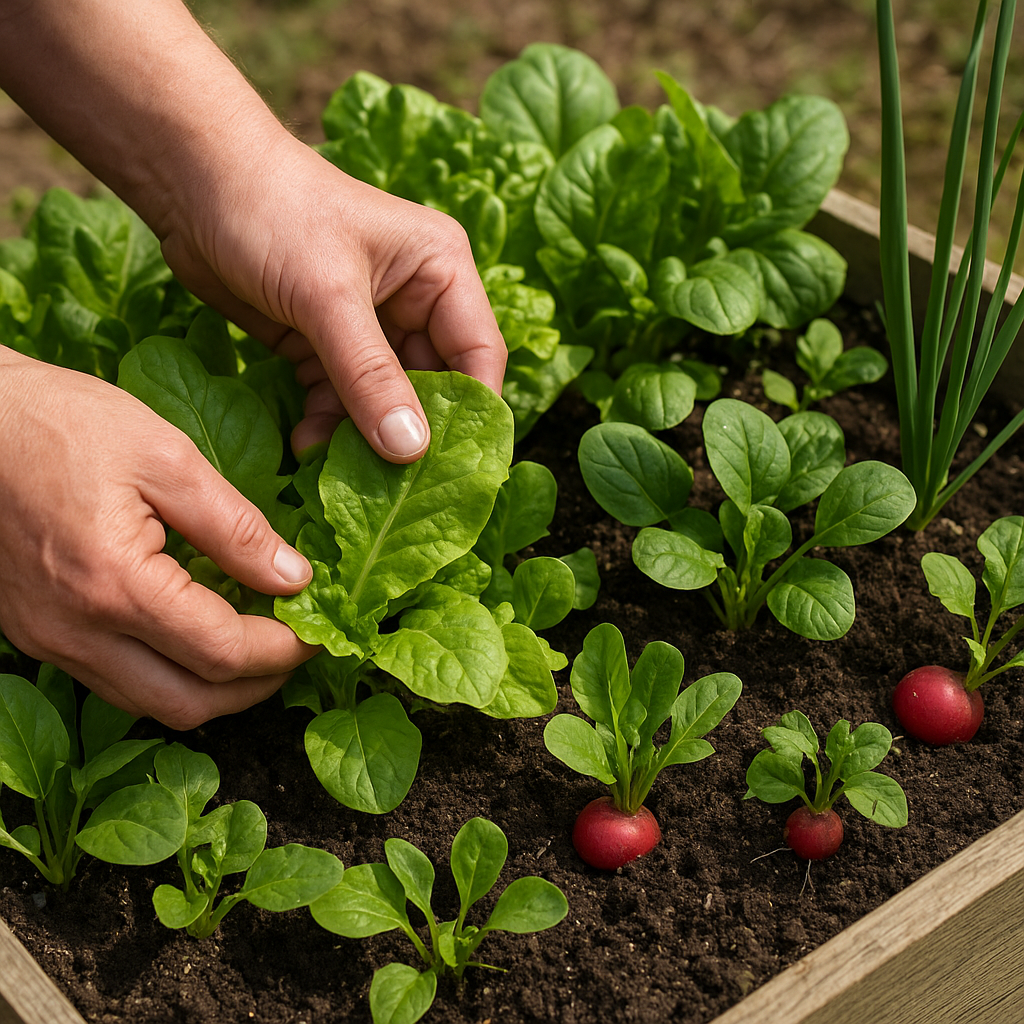
A salad garden works best when you stop thinking in terms of one finish line. Pick outer lettuce and spinach leaves first, snip green onions as needed, pull radishes once they size up, and reseed the gaps. That rolling pattern is what keeps the planter productive instead of exhausted.
- Lettuce and spinach: take outer leaves or harvest baby leaves young.
- Arugula and salad mixes: snip lightly and let them regrow while temperatures stay mild.
- Radishes: harvest promptly once the root shoulder looks full.
- Green onions and chives: cut what you need, then let the clump push back.
Wash and chill the harvest soon after cutting if you want the best texture. Tender greens lose quality fast when they sit warm.
Common container salad garden problems and quick fixes
The whole planter looks crowded and floppy
Thin harder and harvest sooner. Most mixed salad containers are simply over-sown.
Leaves turned bitter or plants bolted early
Heat and dry spells are the usual triggers. Start earlier next round, keep moisture steadier, and move the planter out of harsh afternoon exposure if possible.
Radishes stayed tiny or got woody
That usually means crowding, slow growth from dry soil, or leaving them in too long. Thin the surrounding greens and pull radishes while they are still young and crisp.
Aphids or small chewing pests showed up
Tender, crowded growth attracts problems faster. Inspect the undersides of leaves, remove damaged foliage, and use the cleanup steps in How to Get Rid of Aphids, Fungus Gnats, and Mealybugs before the issue spreads.
The planter dries out by midday
The container is likely too small, too exposed, or both. Step up pot size, add a light mulch, and move thirstier greens into a slightly more sheltered spot.
Quick FAQ
What can you grow in a container salad garden?
Loose-leaf lettuce, spinach, arugula, green onions, chives, parsley, cilantro, and radishes are some of the easiest choices because they stay compact and harvest quickly.
How deep should a salad garden container be?
About 6 to 8 inches is enough for most mixed greens. A little deeper helps with moisture control and gives supporting crops like green onions more room.
Does a container salad garden need full sun?
In cool weather, usually yes. As temperatures rise, some afternoon shade often keeps the planting productive longer.
How do you keep a salad planter producing?
Harvest outer leaves often, pull quick crops on time, and reseed small sections every 1 to 2 weeks instead of planting the whole container at once.
The short version
Use a wide container, cool-season crops, light sowing, and repeat harvesting. Keep the planter evenly moist, protect it from harsh late heat, and reseed in small rounds instead of trying to grow one overloaded box all at once. That is what turns a container salad garden into something you keep cutting from instead of a short-lived spring experiment.