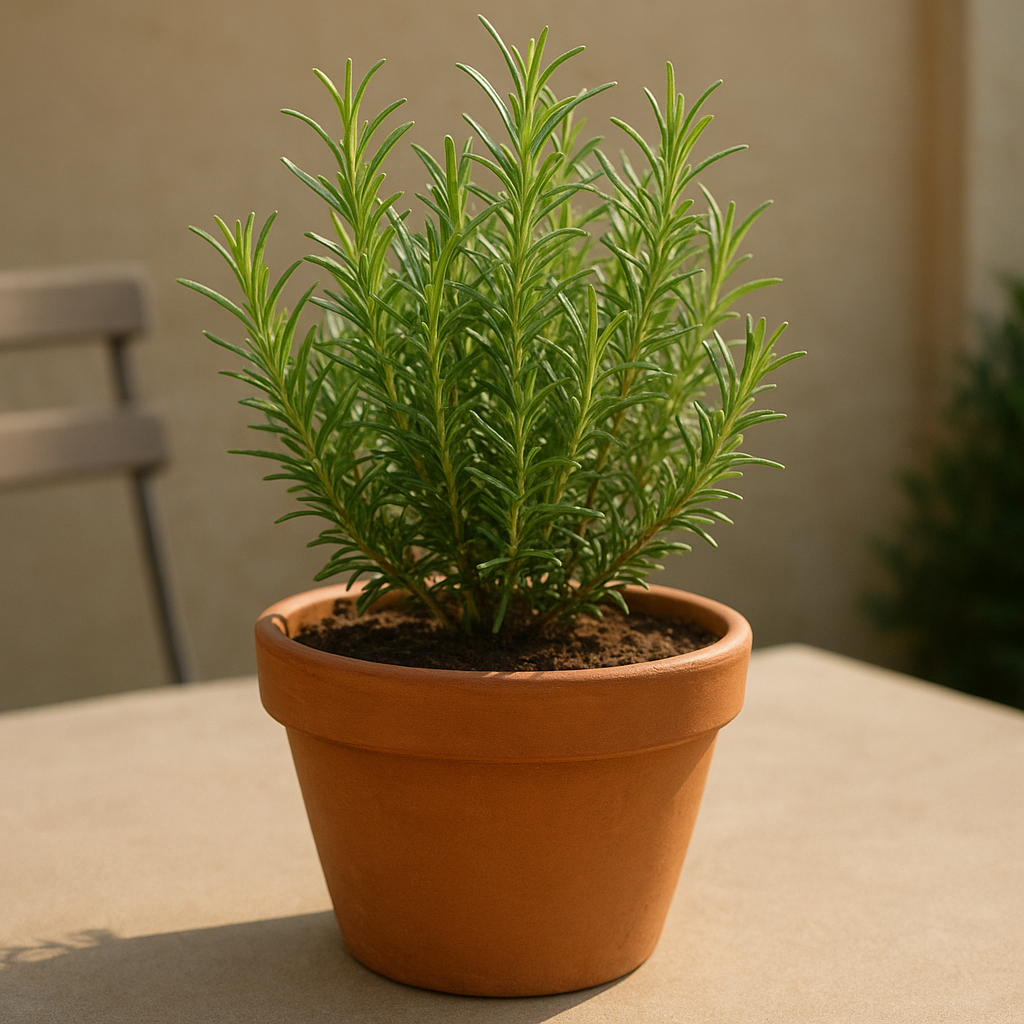
A Better Container Rosemary Setup for Strong Growth, Better Flavor, and Fewer Brown Tips
Rosemary looks tough because it smells strong, handles heat well, and can live for years. That reputation leads people to treat it like a plant that can survive any setup, in any pot, with any soil, and almost no attention. Then the stems get woody, the needles brown out from the center, or the whole plant collapses after sitting too wet for too long.
Container rosemary does best when you lean into what it actually wants: fast drainage, plenty of sun, less water than softer herbs, and regular light pruning instead of panic-cutting after months of neglect. Get those basics right and a potted rosemary plant can stay useful, fragrant, and good-looking for a long time.
The short answer
- Use a pot with drainage that is at least 10 to 12 inches wide.
- Choose a loose, gritty potting mix that dries reasonably fast.
- Give rosemary full sun and strong airflow.
- Water deeply, then let the top couple of inches dry before watering again.
- Harvest and prune green tips regularly so the plant stays bushier instead of turning sparse and woody.
- Protect container rosemary from hard freezes if you live where winters get cold.
Most rosemary problems in pots come from one issue: the roots stay wetter longer than the plant wants.
Why rosemary struggles in containers
Rosemary is a Mediterranean herb. In a pot, that matters. It wants bright light, sharp drainage, and a rhythm that dries down between waterings. Many container setups do the opposite. Decorative planters hold too much moisture, dense soil stays cold and wet, and people water rosemary on the same schedule as basil, parsley, or mint.
- Heavy soil: roots sit wet and start to decline.
- Overshaded placement: growth gets thin, floppy, and less fragrant.
- Too-small pots: the root zone swings between soggy and bone dry faster than it should.
- No pruning: the plant gets woody, open in the middle, and harder to harvest.
- Winter exposure: roots in containers get colder faster than roots in the ground.
If you already grow basil, parsley, or mint, the biggest adjustment is simple: rosemary usually wants drier conditions than those herbs do.
Start with the right pot and skip decorative traps
Rosemary is one of those herbs that benefits from a container with real drainage and enough bulk to buffer temperature swings. Tiny herb pots look nice for a week and become annoying fast.
- Good minimum: 10 to 12 inches wide with drainage holes
- Better: a terracotta or similar breathable pot that helps excess moisture escape
- Avoid: sealed cachepots, self-watering herb planters, or anything that leaves the root ball sitting wet
If your rosemary is still stuck in a nursery pot and drying unevenly or staying damp for too long, move it up before summer heat and root stress make everything harder. The same careful approach in How to Repot a Plant Without Shock or Root Damage works well here too.
Use fast-draining potting mix, not rich or heavy soil
Rosemary does not need rich, moisture-holding soil to be happy. What it needs is a root zone with air in it. A standard container mix can work, but it is often better when it is loosened with coarse material that improves drainage.
- Use fresh potting mix meant for containers.
- If the mix feels heavy, lighten it with extra perlite, pumice, or coarse sand.
- Do not use dense yard soil in a pot.
- Do not bury the crown deeper than it was in its original container.
Rosemary would rather be a little lean and airy than rich and wet. That is why overloving it often backfires.
Water deeply, then back off
The hardest thing for many people is not underwatering rosemary. It is resisting the urge to water it like everything else. In containers, the best pattern is a deep watering followed by a real dry-down near the top of the potting mix.
- Water until excess runs from the bottom of the pot.
- Let the top couple of inches dry before watering again.
- Check the mix with your finger instead of using a rigid schedule.
- Reduce watering further in cool or dim conditions.
If the plant starts yellowing, smells sour at the soil line, or sheds needles while the pot still feels damp, think wet roots first. If your whole patio is heating up and every container is drying unusually fast, the logic in How Often Should You Water Container Plants in Hot Weather? helps you adjust without turning every pot into a swamp.
Give rosemary all the sun you can realistically provide
Rosemary wants strong light. A sunny patio, balcony, porch, or bright south-facing spot is usually best. Weak light leads to stretched stems, weaker flavor, and a plant that never really fills in.
- Best: full sun for most of the day
- Acceptable: very bright conditions with some direct sun
- Poor setup: a dim kitchen corner where the plant slowly thins out
Good airflow also matters. Rosemary prefers being out in open air more than being packed into a humid, crowded corner with other thirsty plants.
Prune little and often before the plant turns into a woody skeleton
Rosemary stays more useful when you keep taking soft green growth from the tips. That light harvest pattern encourages branching and helps stop the plant from getting sparse and bare inside.
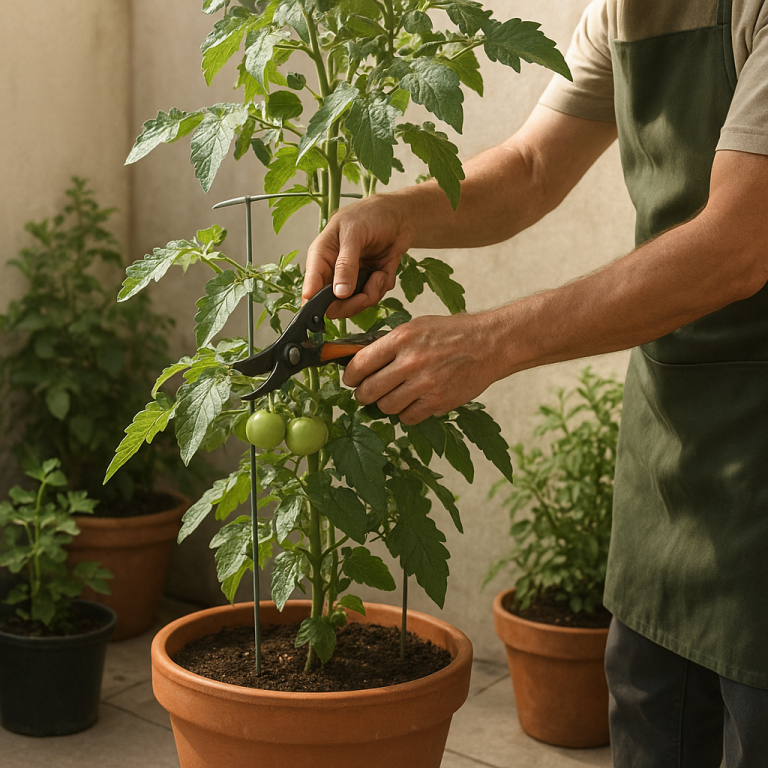
- Snip green tips above a leaf node.
- Do not cut deep into old brown wood with no green growth.
- Trim lightly and regularly during active growth.
- Remove dead or clearly damaged stems as you see them.
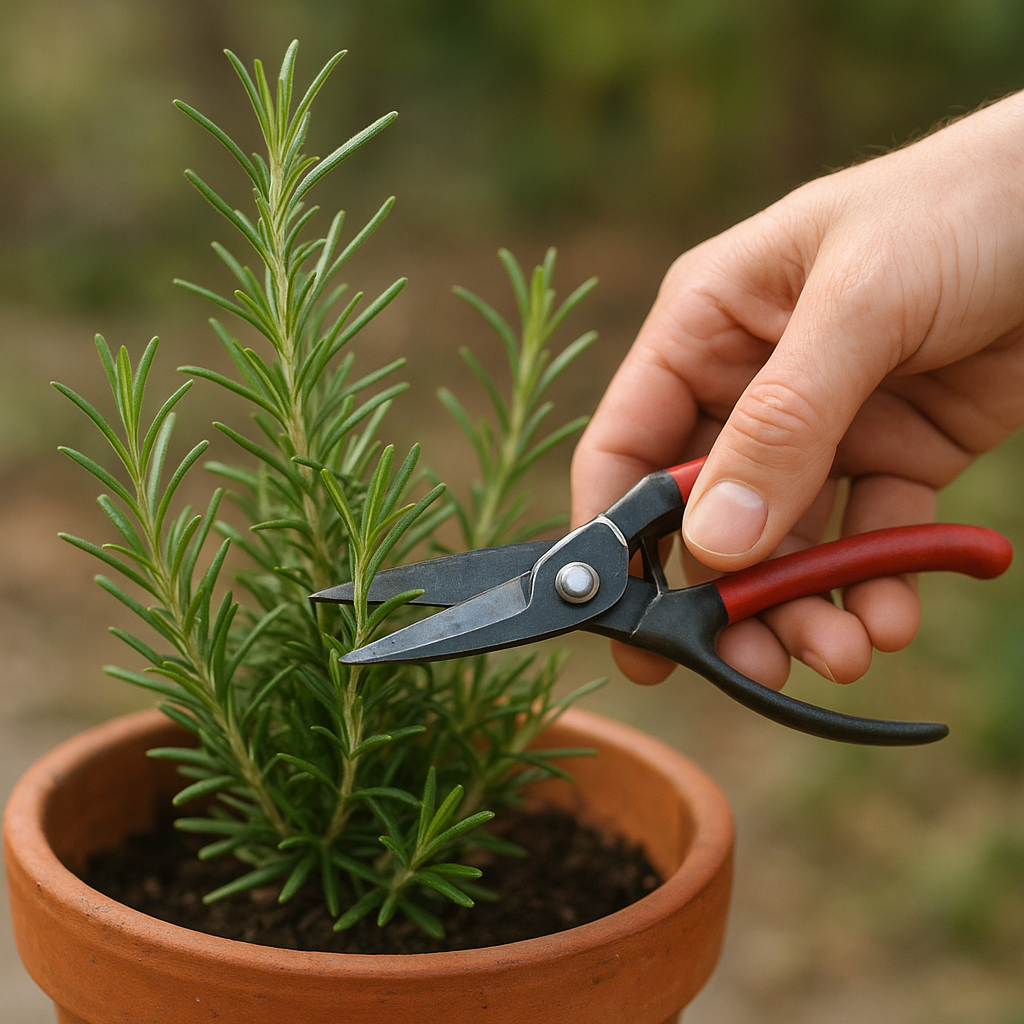
If pruning always feels like guesswork, the same basic principle in How to Prune Plants Without Cutting the Wrong Thing applies here: cut where the plant can actually recover.
Keep container rosemary alive through winter
Rosemary handles mild winters far better in the ground than it does in a pot. The roots in containers are more exposed, especially on windy patios or balconies.
- In mild climates, leave it outside in a sheltered sunny spot.
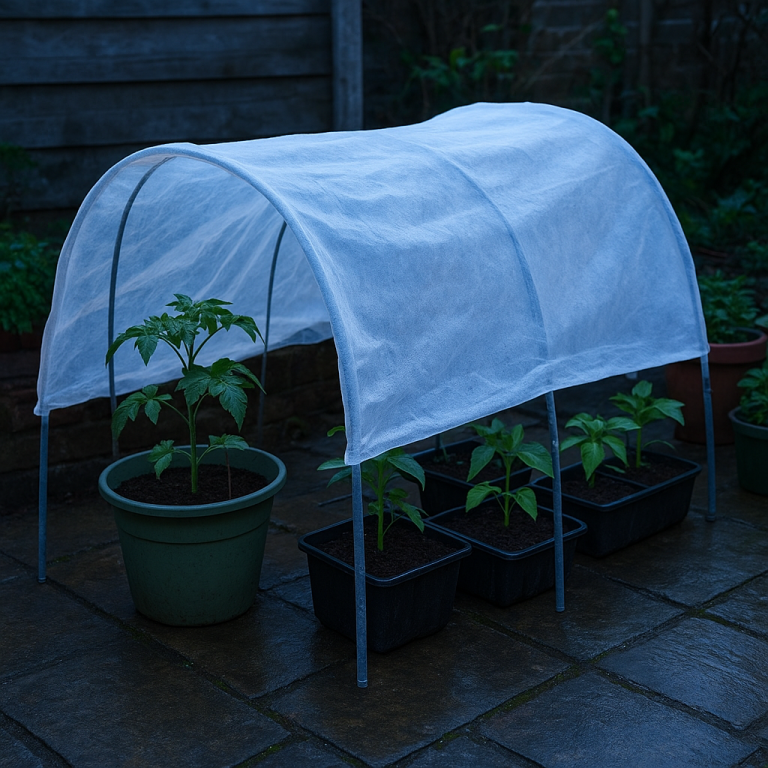
- In colder climates, move the pot somewhere bright and protected before a hard freeze.
- Water less in winter because growth slows and wet soil lingers longer.
- Avoid blasting it with heat indoors or tucking it into a dark room.
If you started young plants indoors and plan to move them out once weather settles, follow the same gradual transition in How to Harden Off Seedlings Without Stunting or Sunburn so the plant is not shocked by sun and wind.
Common rosemary problems in pots and the fastest fixes
The needles are turning yellow or brown
That often points to drainage trouble, staying too wet, cold stress, or old interior growth aging out. Check the soil first before adding more water.
The plant smells fine but looks sparse and woody
That usually means it has gone too long without tip pruning, or it has been growing in weaker light than it wants. Trim back green growth and improve the light if you can.
The pot seems to stay wet forever
The mix is likely too heavy, the container is too large for the current root ball, or the pot is not draining well. Refresh the setup instead of waiting for the plant to forgive it.
Pests show up on indoor or sheltered plants
Rosemary is not usually a pest magnet outdoors, but indoor or crowded conditions can bring aphids or similar trouble. If you see sticky tips or clusters of insects, use the steps in How to Get Rid of Aphids, Fungus Gnats, and Mealybugs.
It dies after a cold snap
Container roots are much less protected than roots in the ground. In cold-winter areas, potted rosemary needs shelter well before a deep freeze arrives.
Quick FAQ
Can rosemary stay in a pot long term?
Yes, if the container drains well, the roots have enough room, and you keep the plant pruned and refreshed instead of letting it decline in old soil.
Does rosemary need a terracotta pot?
No, but terracotta often helps because it dries faster than many sealed containers. Good drainage matters more than the exact material.
How often should you water rosemary in pots?
Only when the top layer of mix has dried down. The exact timing changes with temperature, pot size, light, and season.
Can you bring potted rosemary indoors for winter?
Yes. Give it bright light, airflow, and less water than it gets outdoors in warm weather.
The short version
Grow rosemary in a sunny pot with real drainage, fast-draining mix, and a watering rhythm that lets the soil dry down between soakings. Keep harvesting the green tips, protect the roots from hard freezes, and you avoid most of the usual container rosemary failures.