A Practical Pest Guide for Houseplants, Patio Pots, and Edible Containers
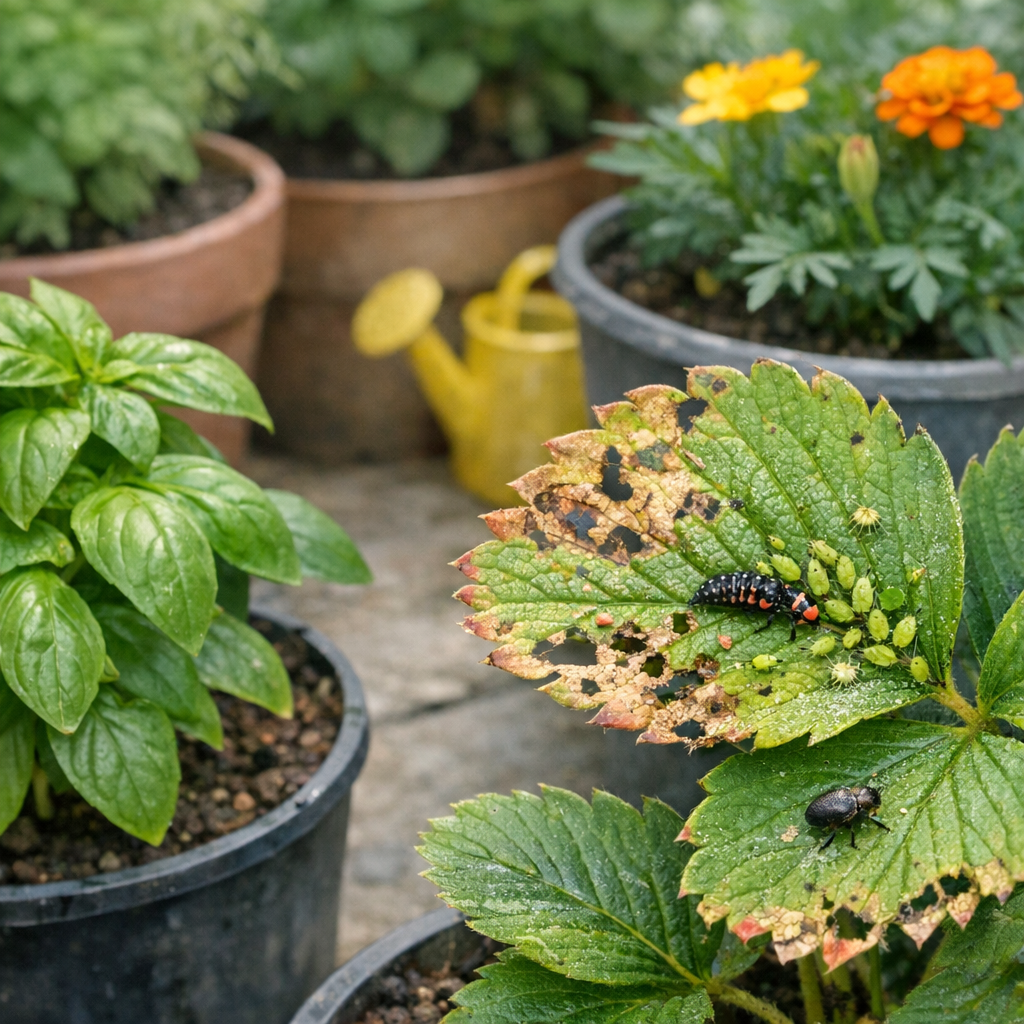
If your plants suddenly look sticky, speckled, stunted, or generally miserable, there is a good chance you are not dealing with “bad luck.” You are dealing with pests. The three most common problem pests for home growers are aphids, fungus gnats, and mealybugs, and each one needs a slightly different fix.
The faster you identify which pest you are dealing with, the faster you can stop wasting time on the wrong fix. Aphids, fungus gnats, and mealybugs overlap just enough to confuse people, but the treatment approach is not the same.
The Fast Diagnosis
- Aphids: tiny soft-bodied insects clustered on stems and new growth.
- Fungus gnats: tiny flying insects hovering around moist soil.
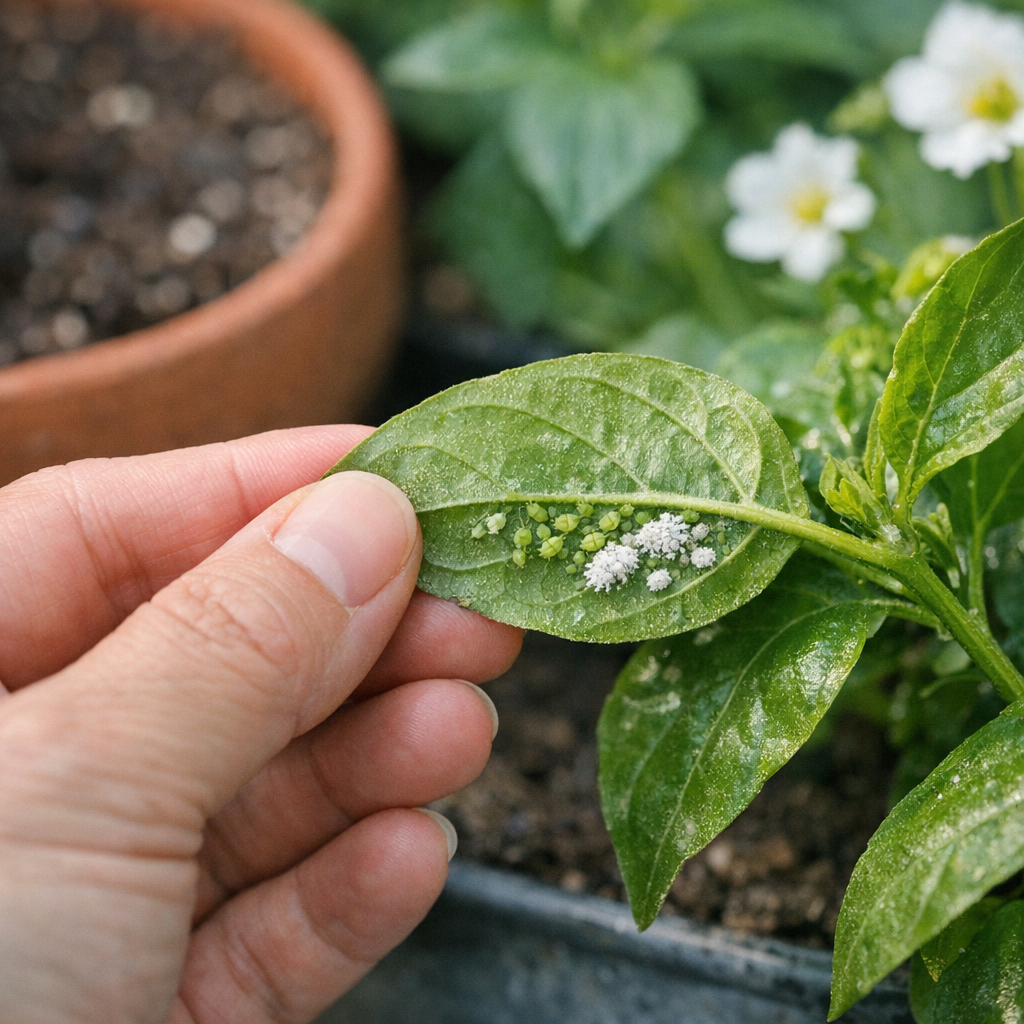
- Mealybugs: white cottony bugs tucked into leaf joints and stems.
If you treat the wrong pest, you waste time and usually make the problem worse. Start with identification, then use the right control method.
How to Get Rid of Aphids
Aphids love tender new growth. They gather on stems, leaf undersides, and fresh tips, then suck sap until plants weaken, curl, or become sticky with honeydew.
- Blast them off first. A firm spray of water can remove a surprising amount.
- Prune the worst growth. If one section is overwhelmed, remove it.
- Use insecticidal soap or neem carefully. Spray leaf undersides and repeat as directed.
- Check again every few days. Aphids rebound fast if you stop too early.
How to Get Rid of Fungus Gnats
Fungus gnats are less dramatic than aphids, but they are incredibly annoying. Adults hover near the soil while larvae live in overly wet potting mix and feed on organic matter and tender roots.
- Let the top layer of soil dry more between waterings. This is the biggest fix.
- Use yellow sticky traps. They reduce adults and help confirm the diagnosis.
- Improve drainage and watering habits. If the mix stays soggy, the gnats stay happy.
- Use beneficial controls if needed. Products with BTI are commonly used for larvae.
Fungus gnats are one reason watering discipline matters so much. If your containers stay wet too long, start with better watering habits before you assume you need a chemical fix.
How to Get Rid of Mealybugs
Mealybugs are the worst combination of disgusting and persistent. They look like small white cotton clumps, hide in plant crevices, and spread slowly enough that people often miss them until the infestation is established.
- Isolate the plant immediately. Mealybugs spread easily.
- Remove visible bugs by hand. A cotton swab dipped in rubbing alcohol is the usual first move.
- Repeat treatment often. One pass is rarely enough.
- Inspect nearby plants. If one plant has them, others may too.
What Not to Do
- Do not keep watering fungus gnat plants on the same schedule out of habit.
- Do not spray random products without identifying the pest first.
- Do not assume one treatment ends the problem.
- Do not leave badly infested plants touching healthy ones.
How to Prevent Pests from Coming Back
- Inspect new plants before bringing them inside or grouping them with others.
- Avoid chronically soggy soil.
- Prune weak or crowded growth where pests hide easily.
- Check leaf undersides and stem joints during routine watering.
- Keep stressed plants healthier with better light, airflow, and watering.
When the Problem Is Bigger Than a Home Fix
If a plant is heavily infested, badly weakened, or repeatedly reinfected, it may be more practical to discard it than to let it threaten everything around it. This is especially true with small, inexpensive plants or severe mealybug infestations.
FAQ
Can one plant have more than one pest?
Yes. A stressed plant can easily end up with more than one problem at once, especially if watering and airflow are already off.
Will pests go away on their own?
Usually no. Light infestations can look stable for a while, but they often come roaring back if you do nothing.
Are these pests only indoor problems?
No. You can see them on indoor plants, balcony containers, patio planters, and edible garden pots.
Final Thoughts
Plant pests feel overwhelming mostly because they blur together when you first notice them. The fix is to stop thinking “my plant has bugs” and start thinking “which bug is this, and what does that bug actually respond to?”
Once you can tell these pests apart, plant problems get less mysterious and a lot more manageable. Better diagnosis usually means faster recovery and fewer repeat infestations.